
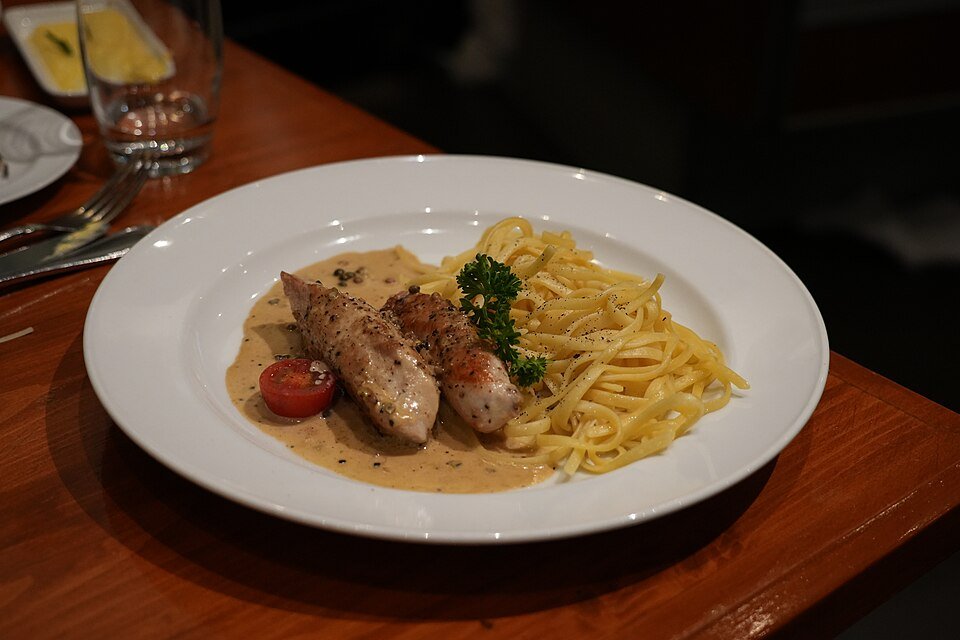
Creamy pasta without heavy cream sounds like a compromise, but the best versions aren’t. Italian grandmothers made luxuriously creamy sauces for centuries before heavy cream was a weeknight staple. The secret to how can I make creamy pasta sauce without heavy cream is starch, emulsion, and a few clever dairy swaps.
I’ve converted my creamiest recipes to lighter versions, and honestly, some got better. Here’s every method that works.
Pasta water: the original cream
Starchy pasta water is liquid gold. As pasta cooks, it releases starch into the water; adding ladles of this to your sauce creates a glossy emulsion that clings to noodles like cream does. Finish the pasta IN the sauce with splashes of pasta water, tossing vigorously, and watch it transform from watery to silky.
Keys: salt the pasta water generously (it seasons the sauce), reserve at least 2 cups before draining (you’ll forget once and regret it), and use the water while it’s hot and starchy. This single technique, called mantecatura, is how cacio e pepe and carbonara get creamy with zero cream. Master it and you’ll use it weekly.
How can I make creamy pasta sauce without heavy cream: dairy swaps
Evaporated milk (not condensed) mimics cream’s richness with half the fat; it’s my top swap for creamy tomato sauces and mac-style sauces. Greek yogurt stirred in off-heat adds tangy creaminess and protein; the off-heat part matters, boiling curdles it.
Cream cheese (a few tablespoons melted into sauce) gives body and richness efficiently; Neufchâtel is the lighter version. Ricotta whipped smooth makes a lovely creamy base for lemon-herb sauces. And a Parmesan slurry, cheese melted into pasta water, creates the classic creamy coating for simple sauces. Each swap has a personality; match it to the sauce.
Blended vegetables: the stealth method
Blended cauliflower, white beans, or cashews (soaked) create genuinely creamy sauces with impressive nutrition. Sauté cauliflower with garlic and onion, blend with broth and Parmesan, and you have an alfredo-style sauce that’s mostly vegetable. It sounds like health food; it tastes like comfort food.
White beans blended with broth, lemon, and garlic make a protein-rich creamy sauce in five minutes. Soaked cashews blended silky-smooth are the dairy-free gold standard. The trick with all blended sauces: blend longer than you think (2-3 minutes) for true silkiness, and season boldly; bland is the risk, not texture.
Technique matters more than ingredients
Whatever creamy base you choose, technique seals the deal: finish pasta in the sauce for the last 1-2 minutes so noodles absorb flavor and release starch; toss vigorously to emulsify; add fats (butter, olive oil, cheese) off or at low heat to prevent breaking; and serve immediately, as creamy emulsions tighten on standing.
Also, grate your own Parmesan; pre-grated has anti-caking agents that inhibit smooth melting. And taste for salt at the end; creamy sauces need assertive seasoning to avoid blandness. The difference between okay and restaurant-level is almost always seasoning and emulsion technique, not the dairy content.
Creamy without cream
- Pasta water first: Starchy water plus vigorous tossing creates cream-like emulsion. Reserve 2 cups.
- Evaporated milk: Half the fat of cream, similar richness. Top swap for tomato-cream sauces.
- Greek yogurt off-heat: Tangy protein-rich creaminess. Never boil or it curdles.
- Blend cauliflower: Sautéed, blended with broth and Parmesan. Stealth-vegetable alfredo.
- Finish pasta in sauce: Last 2 minutes in the pan. Starch release plus flavor absorption.
- Grate own Parmesan: Pre-grated won’t melt smoothly. Fresh-grated emulsifies properly.
Creamy sauce mistakes
- Draining all pasta water: Liquid gold down the drain. Reserve before draining, every time.
- Boiling yogurt sauces: High heat curdles dairy swaps. Off-heat stirring only.
- Under-blending: Vegetable sauces need 2-3 minutes blending for true silkiness.
- Timid seasoning: Creamy bases need bold salt and acid. Bland is the failure mode.
- Serving late: Emulsions tighten on standing. Sauce, toss, serve immediately.
The emulsion science: why it works
Creamy texture is an emulsion: fat droplets suspended in liquid, stabilized by starches and proteins. Pasta water provides the starch; vigorous tossing provides the mechanical force; cheese and fats provide the richness. Understanding this lets you rescue broken sauces (splash of pasta water, vigorous toss) instead of starting over.
Temperature control matters because emulsions break with excessive heat. That’s why dairy swaps go in off-heat and cheese melts gently. The same science governs pan sauces, vinaigrettes, and mayonnaise; master it in pasta and you’ve learned a universal cooking principle.
Creamy pasta without cream: your questions answered
What can I use instead of heavy cream in pasta?
Evaporated milk (closest richness), Greek yogurt off-heat (tangy, high-protein), blended cauliflower or white beans (stealth healthy), or the classic: starchy pasta water emulsified with cheese and butter. Each suits different sauces.
Why did my yogurt sauce curdle?
Heat. Yogurt curdles when boiled; it must be stirred in off-heat or at very low temperatures. Full-fat yogurt resists better than nonfat. Temper it first (whisk hot sauce into yogurt gradually) for extra insurance.
How do restaurants make pasta so creamy?
Mantecatura: finishing the pasta in the sauce with starchy pasta water and vigorous tossing, plus quality cheese and butter. No cream involved in most classic preparations. It’s technique, not ingredients.
Can I make creamy vegan pasta sauce?
Absolutely. Soaked blended cashews are the gold standard; blended white beans or cauliflower work too. Nutritional yeast adds cheesy depth. The techniques (emulsion, finishing in sauce) are identical; only the ingredients change.
Can I make creamy pasta sauce ahead of time?
Yes, but reheating needs care: warm gently and whisk in splashes of water or milk to restore the emulsion, which tightens on standing. Dairy-based sauces reheat better than pure emulsion sauces. Make the pasta fresh; reheat only the sauce.
What’s the best pasta shape for creamy sauces?
Shapes with texture and surface area: rigatoni, penne, fusilli, orecchiette. They grip creamy sauces far better than smooth spaghetti. The sauce-to-pasta cling is half the dish; shape choice is a real variable.
The bottom line
Starchy pasta water emulsions, evaporated milk, off-heat Greek yogurt, blended cauliflower or white beans, finished pasta tossed vigorously in the pan. Creamy texture is about starch and emulsion technique, not heavy cream. Master mantecatura and you’ll rarely miss the cream. Worth a look next: how to thicken soup without flour or cornstarch and how to make restaurant-quality pizza at home. The Serious Eats’ pasta technique guides has authoritative detail on this topic.


