If you’ve been Googling how can i refresh my wardrobe without buying anything new, you’re probably drowning in generic advice by now. I get it. Most articles on this either read like a textbook or try to sell you something. This one won’t. I’ve pulled together what actually matters, based on real experience and solid sources, so you can make a decision and move on with your day.
Think of this as the conversation we’d have if you asked me about this over coffee — direct, specific, and skipping the parts that don’t matter. I’ve cut everything I couldn’t defend with either evidence or experience.
This is the part most guides gloss over, and it’s the part that matters most.
How can I refresh my wardrobe without buying anything new: What You Should Actually Know
I want to be honest about the fashion industry’s incentives: it profits when you feel behind. Most ‘must-have’ advice about refresh my wardrobe without buying anything new is marketing dressed as guidance. The approach below is the opposite — buy less, choose well, and wear what you own with confidence.
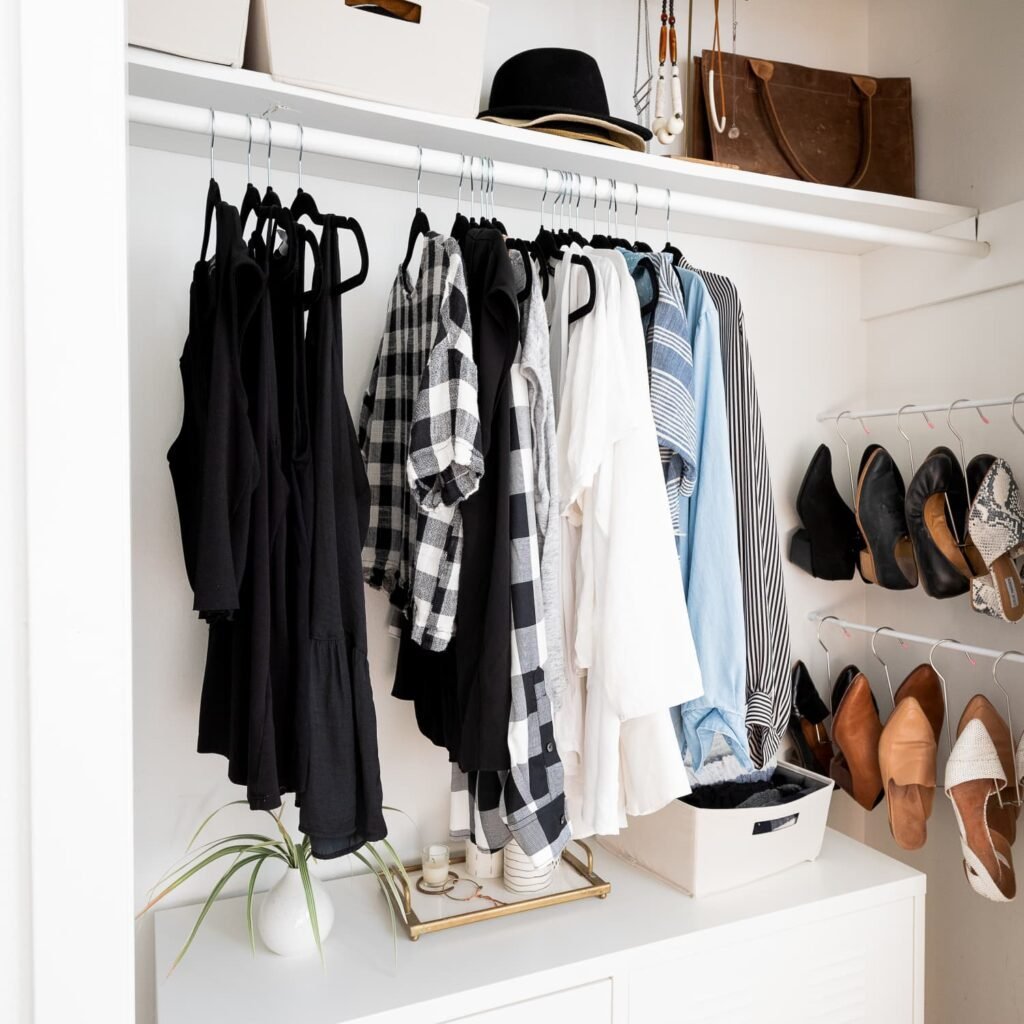
Refreshing your wardrobe without buying anything new starts with shopping your own closet — most people wear 20 percent of what they own, which means 80 percent is ‘new’ to your rotation. I did a closet-swap with myself once and ‘found’ fifteen outfits I’d forgotten existed.
Restyling is the multiplier: tuck differently, layer unexpectedly, cuff sleeves, belt a dress, wear a shirt open as a jacket. The same pieces styled three ways genuinely feel like new clothes — fashion people call this ‘remixing,’ and it works.
For the bigger picture, Good On You’s brand ratings is worth a look — it backs up a lot of what I cover here.
Small alterations and repairs refresh for pennies: hemming, taking in, dyeing faded black back to black, replacing buttons. A $10 dye job made my gray-looking black jeans look brand new.
What Actually Moves the Needle
Now for the practical side — the specific things you can do this week that will make a noticeable difference.
- Shop your closet: pull forgotten pieces and style them fresh.
- Remix outfits — new combinations of old pieces feel new.
- Try new tucks, layers, and accessories on familiar items.
- Dye faded blacks, repair small damage, replace buttons.
- Organize by outfit, not category, to see new possibilities.
- Do a clothing swap with friends for genuinely new-to-you pieces.
If this topic clicked for you, you’ll probably also get a lot out of our guide to How do I dress appropriately for a funeral without buying new clothes, our guide to How do I care for leather boots so they last for years, and our guide to What is the best way to fold t-shirts to save drawer space — they cover the adjacent questions people ask next.
Small Tweaks That Add Up Fast
Challenge yourself to 30 days of no-repeat outfits from your current closet. The constraint forces creativity you’ll never find while shopping — and most people discover they needed nothing new at all.
If a tweak feels forced after a week, swap it — don’t force it. Style should feel like you on a good day, not a costume. The right tweaks disappear into your routine; the wrong ones keep demanding attention.
One more resource I trust on this: the Council of Fashion Designers of America.
Mistakes Worth Avoiding
I’ve watched a lot of people (myself included) learn these lessons the hard way. Save yourself the trouble.
- Assuming boredom means you need new clothes — it’s usually styling boredom.
- Ignoring the back of the closet where the forgotten gems live.
- Buying ‘refresh’ pieces that duplicate what you already own.
Your First-Week Action Plan
Reading is nice; doing is better. Here’s a dead-simple seven-day ramp built from the tips above — no overwhelm, just one layer at a time. Each step takes minutes, not hours; the whole point is that a busy person can actually finish this.
- Day 1: Shop your closet: pull forgotten pieces and style them fresh. Get this handled first — it’s the foundation everything else builds on.
- Days 2–3: Remix outfits — new combinations of old pieces feel new. Give yourself a couple of days to make this feel normal.
- Day 4: Try new tucks, layers, and accessories on familiar items. The basics are rolling now; time to add this next layer.
- Days 5–6: Dye faded blacks, repair small damage, replace buttons. You’re in the groove — this is where momentum starts compounding.
- Day 7: Organize by outfit, not category, to see new possibilities. End the week by locking in this last piece, then run the whole week back.
Finally, remember that confidence is the actual outfit. The best-styled person in the room is usually just the most comfortable one. Nail the fit, keep it clean and intentional, and wear it like you mean it — that carries further than any label.
Quick Questions, Honest Answers
How much should I budget for refresh my wardrobe without buying anything new?
Less than you think, if you shop strategically. Start with what you own, fill gaps secondhand, and spend real money only on high cost-per-wear pieces. Most people overspend on trends and underspend on the basics they’ll wear daily.
How do I know if something actually suits me with refresh my wardrobe without buying anything new?
Fit and comfort are the tell — if you’re tugging, adjusting, or can’t wait to take it off, it’s wrong regardless of how it looked on the hanger. Photograph yourself in it; the camera is more honest than the mirror.
Can I pull this off on a tight budget with refresh my wardrobe without buying anything new?
Absolutely — budget constraints often produce better style, because they force intention. Thrift stores, clothing swaps, and restyling what you own cover most needs. The expensive-looking part is fit and grooming, and both are cheap.
The Bottom Line
If you take one thing from this guide, let it be this: refresh my wardrobe without buying anything new is simpler than it looks once you ignore the hype. Focus on the fundamentals, avoid the common traps, and trust the process. It works — I’ve seen it work too many times to doubt it.