Porcelain veneers cost $925 to $2,500 per tooth in 2026, with the national average landing around $1,500–$1,650 per tooth. Most patients get 6 to 8 veneers on the upper front teeth, which puts a typical full treatment at $9,000 to $16,000. Dental insurance almost never covers veneers because they’re classified as cosmetic.
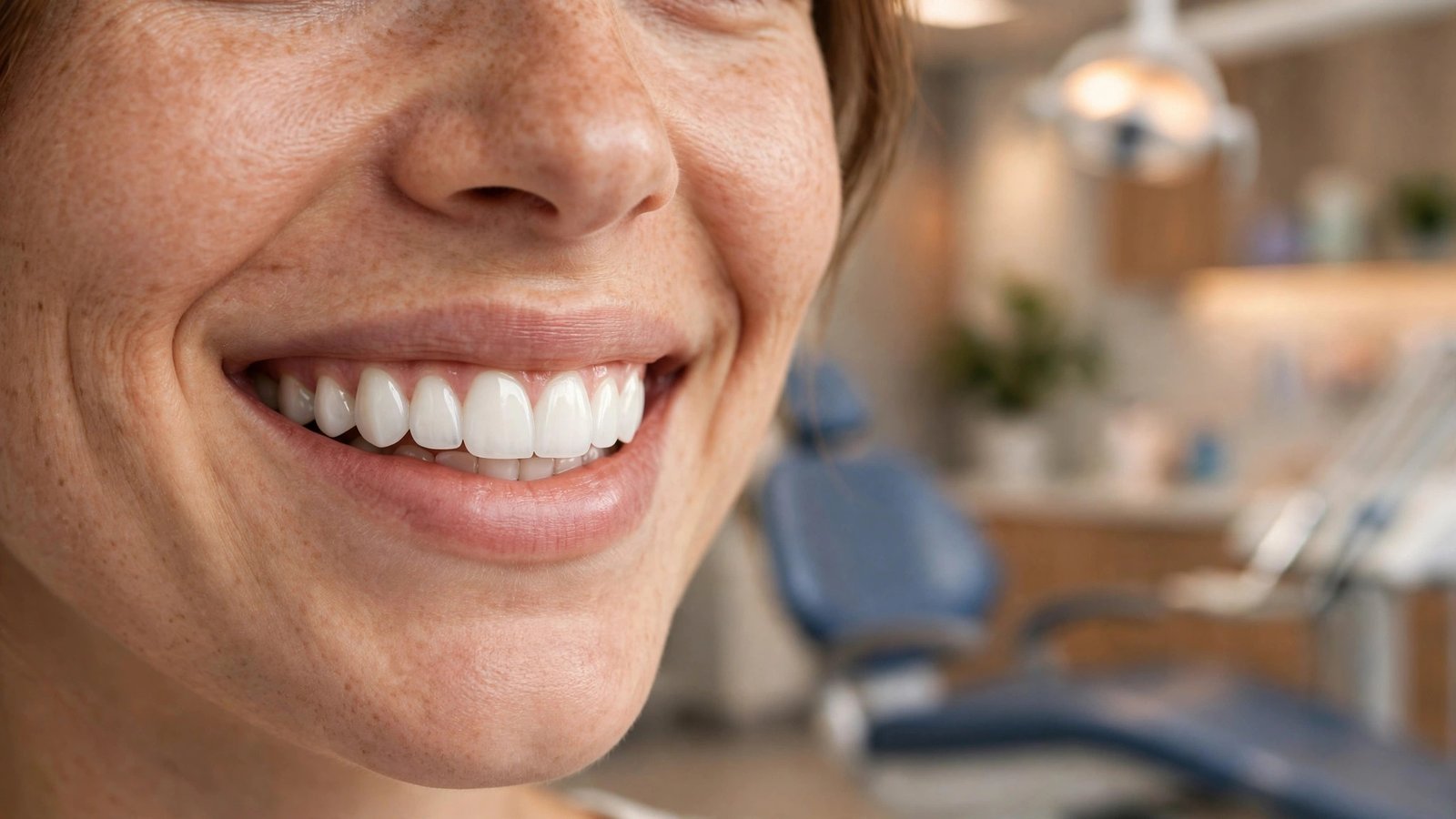
Veneers are one of those procedures where the sticker shock fades once you understand what you’re actually paying for: a skilled ceramist hand-crafting each tooth, a dentist shaping your enamel with sub-millimeter precision, and a result that can last 15 years or more. Still, prices swing wildly from one city to another, and from one dentist to the next. Here’s the full breakdown.
Porcelain Veneer Costs at a Glance
Here’s what typical porcelain veneer pricing looks like across the US in 2026:
- Per tooth: $925–$2,500
- National average per tooth: ~$1,500–$1,650
- 6 veneers (common upper-arch smile makeover): $5,500–$15,000
- 8 veneers: $7,400–$20,000
- Full set of 20 (both arches): $18,500–$50,000
Major metro areas — New York, Los Angeles, Miami, San Francisco — sit at the top of that range. Practices in smaller markets often charge 30–40% less for the same quality of work. Experience matters too: a prosthodontist or cosmetic dentist with a portfolio of veneer cases will charge more than a general dentist who does a handful a year, and for good reason.
What the Price Actually Covers
A veneer quote isn’t just for the ceramic shell. When you get a price per tooth, it typically includes the initial consultation and smile design, enamel preparation, digital or physical impressions, temporary veneers while your permanent ones are made, the lab fee for fabricating the porcelain, bonding appointments, and follow-up adjustments. Lab fees alone run $200–$500 per tooth — that’s a big chunk of why porcelain costs so much more than composite.
Some practices itemize these separately, so always ask what’s bundled. According to the American Dental Association, cosmetic procedures are elective, which means pricing is set entirely by the practice — there’s no standardized fee schedule to compare against. Get it in writing.
Why Porcelain Costs More Than Composite
Composite veneers — the resin alternative applied directly to your teeth in one visit — run $250 to $1,500 per tooth. That’s a real saving, but it comes with trade-offs. Porcelain resists staining (composite picks up coffee and red wine stains over time), looks more like natural enamel in varied light, and lasts 10–15 years versus 5–7 for composite. If you’re fixing your smile for a decade-plus, porcelain’s cost per year of wear is actually competitive.
Ways to Pay for Veneers
Since insurance won’t help, most patients use one of these:
- Dental financing plans: Many practices offer 0% or low-interest financing through providers like CareCredit, splitting a $12,000 case into 12–24 monthly payments.
- HSA/FSA funds: These can sometimes be used for veneers if your dentist documents a restorative need (repairing cracked or damaged teeth) rather than purely cosmetic intent. Ask your provider and your plan administrator.
- In-house payment plans: Some cosmetic practices split the cost across the treatment timeline — deposit at prep, balance at bonding.
- Dental schools: Accredited dental schools offer veneer work at 40–60% off, performed by residents under faculty supervision. The wait is longer, but the savings are real.
If porcelain is out of reach right now, it helps to compare alternatives. Our Invisalign cost guide covers straightening without veneers, dental filling costs with insurance covers repairing individual teeth affordably, and braces costs may be the right path if alignment is the real issue.
How to Avoid Overpaying
Get at least two consultations — most cosmetic dentists offer them free. Look at before-and-after photos of actual patients (not stock images), and ask how many veneer cases the dentist does per month. A dentist who does veneers weekly will almost always deliver better results than one who does them twice a year, regardless of price. Be wary of quotes dramatically below market — bargain veneers often mean a discount overseas lab, and replacing failed veneers costs more than doing them right the first time. The American Academy of Cosmetic Dentistry maintains a directory of credentialed cosmetic dentists, which is a solid starting point for finding a qualified provider.
FAQs
Do porcelain veneers last forever?
No, but they’re durable — 10 to 15 years is typical with good care, and many last 20. They’re not reversible, though: the dentist removes a thin layer of enamel during preparation, so you’ll need veneers or crowns on those teeth for life.
Does dental insurance cover veneers?
Almost never. Insurance classifies veneers as cosmetic. The rare exception is when they’re medically necessary to restore a broken or severely damaged tooth — even then, coverage is partial at best and requires documentation.
Are veneers painful?
The preparation appointment involves local anesthesia, so you won’t feel pain during the procedure. Some patients report mild sensitivity to hot and cold for a few days afterward, which fades quickly.
Can veneers be whitened later?
No — porcelain doesn’t respond to whitening treatments. That’s why dentists match your veneers to the shade you want before they’re made. If you plan to whiten your natural teeth, do it before the veneer shade is selected.