The spice aisle is overwhelming: hundreds of jars, exotic names, no guidance. New cooks either buy three spices or thirty, and both are wrong. The answer to what are the best spices to keep in a beginner kitchen is a tight dozen that cover the vast majority of everyday cooking across cuisines.
I’ve cooked with these twelve for years; they handle 90% of my recipes. Here’s the list and how to use each.
The essential savory six
Black peppercorns (grinder): the most-used spice in Western cooking; freshly ground beats pre-ground dramatically. Kosher salt (technically a seasoning, but the foundation of everything). Garlic powder: the weeknight workhorse for instant savory depth. Onion powder: garlic powder’s partner, the background savory note.
Paprika (sweet or smoked): color and mild sweetness; smoked paprika adds bacon-like depth to vegetarian dishes. Cumin: the earthy backbone of Mexican, Indian, and Middle Eastern cooking; toast briefly to wake it up. These six handle most savory cooking on the planet.
What are the best spices to keep in a beginner kitchen: the versatile six
Oregano: Italian, Greek, and Mexican staple; the pizza and tomato sauce herb. Chili powder or cayenne: heat to taste; cayenne is pure heat, chili powder is a blend. Start with chili powder’s friendliness.
Cinnamon: not just for baking; essential in Middle Eastern savory dishes, chilis, and morning oats. Thyme: the versatile French herb for roasted everything. Bay leaves: the background depth in soups, stews, and braises (remove before serving). Curry powder: instant complexity for weeknight curries and roasted vegetables. Twelve spices, nearly infinite meals.
Buying and storing smart
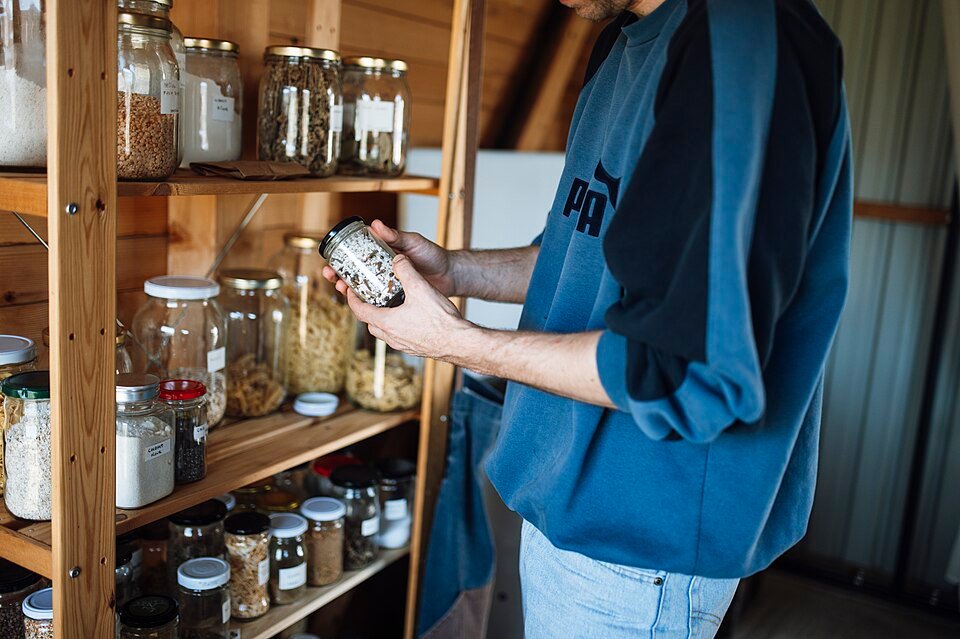
Buy small quantities; ground spices lose potency in 6-12 months, whole spices last 2-3 years. The giant warehouse jar is false economy if half goes stale. Check ethnic grocery stores for dramatically better prices on cumin, turmeric, and chili varieties.
Store away from heat and light (not above the stove, despite every kitchen design ever); a dark drawer or cabinet preserves potency. Date jars when opened. The sniff test: if it smells like nothing, it tastes like nothing; replace it. Whole spices plus a $15 grinder beat pre-ground on flavor for pepper, cumin, and coriander.
Growing from twelve
Once the twelve are second nature, expand by cuisine: turmeric and coriander for Indian, za’atar and sumac for Middle Eastern, five-spice for Chinese, herbes de Provence for French, Old Bay for seafood. Buy for recipes, not aspirationally; the spice graveyard of good intentions helps no one.
Learn the techniques: blooming spices in hot oil (tadka/tempering) releases fat-soluble flavors dramatically; toasting whole spices before grinding intensifies them; adding delicate herbs at the end preserves their character. Spices are ingredients, not dust; technique multiplies their power enormously.
Beginner spice kit
- Twelve is enough: The essential dozen covers 90% of everyday cooking across cuisines.
- Buy small: Ground spices fade in 6-12 months. Small jars beat stale warehouse tubs.
- Store dark and cool: Not above the stove. Heat and light kill potency fast.
- Sniff test: No aroma equals no flavor. Replace dead spices without guilt.
- Ethnic markets: Dramatically cheaper for cumin, chilies, turmeric, and coriander.
- Grind fresh: $15 grinder plus whole pepper and cumin beats pre-ground easily.
Spice mistakes
- Thirty-spice starter: Overwhelm leads to unused jars. Master twelve, then expand by cuisine.
- Ancient jars: Five-year-old oregano is brown confetti. Date and replace yearly.
- Above-stove storage: The worst spot: heat plus steam. Dark drawer instead.
- No technique: Blooming in oil and toasting multiply flavor. Spices need heat to wake up.
- Pre-ground everything: Whole spices ground fresh are transformative for pepper and cumin.
Blooming: the technique that changes everything
Blooming spices in hot oil or butter for 30-60 seconds before adding other ingredients releases fat-soluble flavor compounds that water can’t extract. It’s the difference between spices that taste dusty and spices that taste vibrant. Indian tadka, Italian soffritto additions, Mexican chili bases all rely on it.
Watch carefully; bloomed spices burn fast, turning bitter in seconds. Medium heat, constant stirring, and having the next ingredient ready to cool the pan. This single technique transforms everyday cooking more than any new spice purchase.
Beginner kitchen spices: your questions answered
What are the must-have spices for a beginner?
Black pepper, kosher salt, garlic powder, onion powder, paprika, cumin, oregano, chili powder, cinnamon, thyme, bay leaves, curry powder. Twelve spices covering the vast majority of everyday cooking across cuisines.
How long do ground spices last?
6-12 months once opened before potency fades significantly. Whole spices last 2-3 years. Date jars when opened and sniff-test yearly; no aroma means no flavor. Buy small and replace rather than hoarding.
Where should I store spices?
Cool, dark, dry: a drawer or cabinet away from the stove. Heat, light, and steam kill potency fast. The classic above-stove rack is the worst spot in the kitchen despite its popularity.
Are expensive spices worth it?
For high-impact spices you use constantly (pepper, cinnamon, paprika), yes; quality differences are real. For background players, mid-range is fine. Ethnic grocery stores offer excellent quality at lower prices than supermarkets for many spices.
What’s the difference between herbs and spices?
Herbs are leafy plant parts (basil, oregano, thyme), usually used fresh or dried; spices are other parts, seeds, bark, roots, buds (cumin, cinnamon, cloves), usually dried. The beginner’s dozen here mixes both because everyday cooking needs both.
Should I buy organic spices?
It’s low on the priority list. Spices are used in tiny quantities, and conventional spices are well-regulated. Spend the organic premium on produce and dairy where it matters more. Freshness and proper storage affect flavor far more than organic certification.
The bottom line
Black pepper, kosher salt, garlic powder, onion powder, paprika, cumin, oregano, chili powder, cinnamon, thyme, bay leaves, curry powder: twelve spices, 90% of cooking covered. Buy small, store dark and cool, sniff-test yearly, bloom in oil, and expand by cuisine as you cook. The spice aisle stops being scary once you know your twelve. For more on this, see how to keep fresh herbs from going bad in the fridge and easiest high-protein dinners for weeknights. The American Spice Trade Association has authoritative detail on this topic.