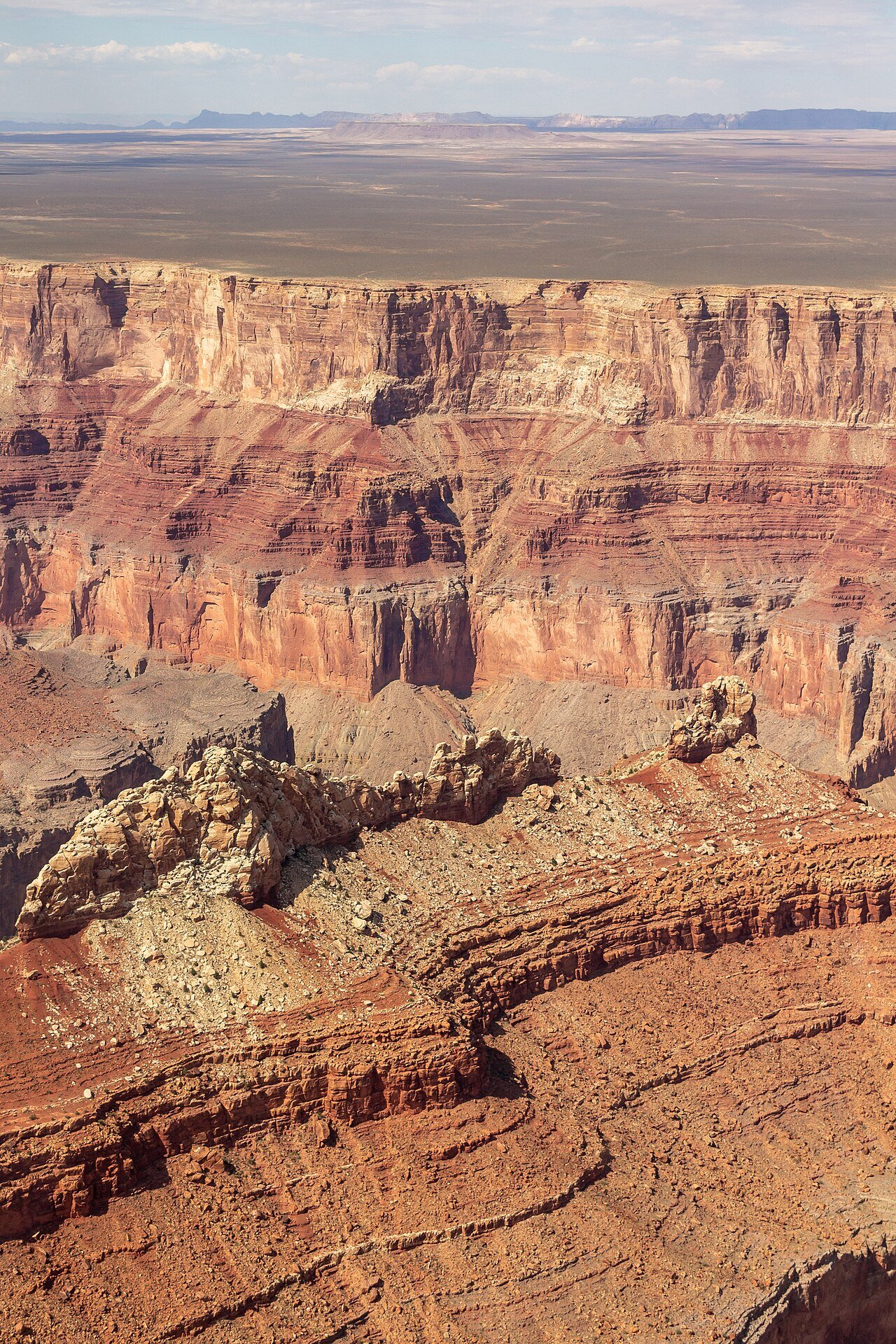
What is the best way to see the Grand Canyon in one day? Go to the South Rim, arrive for sunrise, walk the Rim Trail, descend briefly below the rim, hit the key viewpoints by shuttle, and stay for sunset. One day can’t show you the whole canyon — but it can show you enough to understand why it’s a wonder of the world. Here’s the hour-by-hour itinerary that maximizes a single day.
Before you go: the essentials
- South Rim, not North. The North Rim is closed mid-October to mid-May, is 4+ hours from the South by car, and has fewer services. For one day, South Rim — open year-round, 90 minutes from Flagstaff, 4 hours from Phoenix/Las Vegas.
- Arrive the night before if possible. Sunrise at the canyon is non-negotiable for the full experience, and driving in the dark to catch it is stressful. Stay in Tusayan (7 miles south), Flagstaff, or in-park (book months ahead).
- Check the NPS site (nps.gov/grca) for alerts — road closures, shuttle changes, weather. The canyon’s weather differs from the rim’s; check both.
- Pack: 2+ liters of water per person (more in summer), sun protection, layers (the rim is 7,000 ft — 20°F cooler than Phoenix), real walking shoes, snacks. There is no water below the rim except at staffed points — carry it.
The itinerary: sunrise to sunset
5:30–7:00 a.m. — Sunrise at Yaki Point or Mather Point
Arrive 30 minutes before sunrise. The canyon ignites — shadows retreat, the rock layers catch fire in sequence. Mather Point is the classic (and crowded); Yaki Point (shuttle access only) is quieter with equally stunning views. Bring coffee. Don’t talk much. This is the moment the whole day builds on.
7:00–9:00 a.m. — Breakfast + Rim Trail west
Breakfast at Maswik Lodge or the El Tovar dining room (reservations help). Then walk the Rim Trail west from the village toward Hopi Point — paved, flat, with the canyon unfolding at every turn. Walk as far as you like (2–3 miles roundtrip is plenty); the shuttle runs parallel, so you can hop on whenever.
9:00–11:30 a.m. — Below the rim: Bright Angel Trail (partial)
The single most important experience: go below the rim. The canyon from above is a postcard; from inside, it’s a place. Hike the Bright Angel Trail to the 1.5-mile resthouse (3 miles roundtrip, 2–3 hours) or just to the first tunnel (1 mile roundtrip, 1 hour) if time/energy is short. Rules: down is optional, up is mandatory — the hike out takes twice as long as the hike down. Turn around at your halfway time/energy point. Carry water, eat snacks, rest in shade. In summer, don’t start down after 10 a.m. — the inner canyon is 20°F hotter than the rim.
11:30 a.m.–1:00 p.m. — Lunch + rest
You’ve earned it. Maswik food court (fast, cheap) or the Arizona Room (sit-down, canyon views). Rest your legs — the afternoon is viewpoints, not hiking.
1:00–4:30 p.m. — Hermit Road viewpoints by shuttle
The free Hermit Road shuttle (no private cars) hits 8 viewpoints west — Hopi Point, Mohave Point, and Pima Point are the standouts. Hop on/off freely; each stop is 10–20 minutes. The light gets better as the afternoon progresses — the canyon’s colors deepen.
4:30–5:30 p.m. — Desert View Drive (east)
Drive east along Desert View Drive (private cars allowed): Grandview Point, Moran Point, Lipan Point — different angles, the Colorado River visible, fewer crowds than the village. The Desert View Watchtower (Mary Colter’s masterpiece) is worth the climb for the 360° view.
5:30–7:00 p.m. — Sunset at Hopi Point or Lipan Point
Return west for sunset — Hopi Point faces the setting sun directly and is the classic sunset spot (arrive 45 min early for position). Watch the canyon cycle through gold, orange, red, purple. Stay 20 minutes after sunset — the alpenglow finale is the secret best part.
Evening — Dinner + stars
Dinner in the village, then step outside: the South Rim is a Dark Sky Park — the Milky Way from the rim, with the canyon a black void below, is an unforgettable coda. The park’s night-sky programs (seasonal) are excellent.
What to skip (one-day triage)
The IMAX theater in Tusayan (fine, but it’s not the canyon), the helicopter tour (expensive, and the day is already full — save it for a return trip), hiking to the river (that’s a multi-day expedition, not a day trip — people die attempting it unprepared), and the North Rim (different trip entirely).
Seasonal notes
- Spring/Fall: ideal — mild temperatures, manageable crowds, all facilities open.
- Summer: crowded and hot (inner canyon 100°F+ — hike early, carry extra water, respect the heat warnings).
- Winter: magical — snow on the rim, tiny crowds, possible trail ice (traction devices recommended). The canyon in snow is a different, quieter wonder.
For the family version of canyon planning (Junior Rangers, kid-friendly logistics), What are the best us national parks to visit with kids covers national parks with kids broadly.
The mule ride and other ways “down” (know the options)
Going below the rim does not only mean hiking. The mule rides descend the Bright Angel Trail to Plateau Point (day trip) or Phantom Ranch (overnight) — a classic canyon experience, bookable months ahead, with weight and age restrictions. The mules are famously sure-footed; the riders famously nervous for the first 20 minutes, then fine. It is the best “below the rim” option for those who cannot hike it.
Other perspectives worth knowing: the Colorado River rafting trips (multi-day, the full canyon from the bottom — a different planet), the North Rim (a separate trip entirely — wilder, quieter, seasonal), and the Desert View Watchtower at the east end (the architectural viewpoint, often skipped, worth the drive). The one-day itinerary above is the essential first visit; these are the reasons to return. Because everyone who does the canyon in a day starts planning the longer trip — the What are the best us national parks to visit with kids parks guide has the neighboring parks to build it around, and the mule ride is the perfect “next time” promise to make at sunset.
Further reading: Grand Canyon trip planning from the National Park Service.
Takeaway: The best one-day Grand Canyon itinerary is South Rim, sunrise at Yaki/Mather Point, Rim Trail walk, a partial Bright Angel descent below the rim (the essential experience — turn around at halfway), Hermit Road viewpoints by shuttle, Desert View Drive east, sunset at Hopi Point, and stars after dinner. Arrive the night before, carry 2+ liters of water, respect the “down is optional, up is mandatory” rule, and check nps.gov/grca before going. One day is enough to be changed by it — most people start planning their return before they leave.