
The internet has a lot to say about what should i wear hiking if i do not own outdoor gear, and honestly, most of it is recycled filler. I wrote this to be different — specific, practical, and grounded in what real people experience. If you read one guide on this topic, make it one that respects your time. That’s the goal here.
If you’re short on time, jump straight to the action plan section — it’s the concentrated version. But the context sections are where the ‘why’ lives, and understanding the why is what keeps you going when motivation dips.
I like to start with the why, because once you get that, the how becomes obvious.
What should I wear hiking if I do not own outdoor gear: What You Should Actually Know
Before we get tactical, let’s kill a myth: there’s no single ‘right’ answer to what should i wear hiking if i do not own outdoor gear. Bodies differ, budgets differ, lifestyles differ. What follows is a framework, not a uniform — take what fits your life and ignore the rest without guilt.
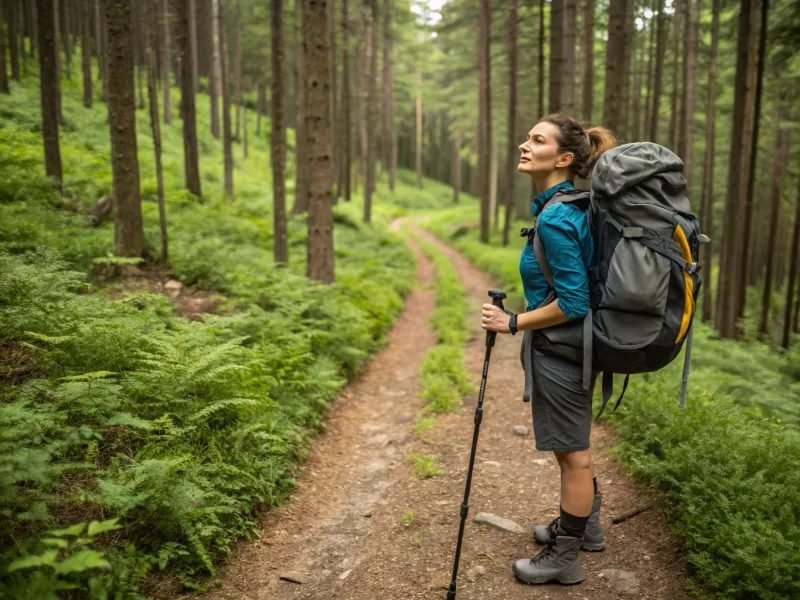
What to wear hiking without owning outdoor gear is simpler than the industry suggests: athletic leggings or joggers, a moisture-wicking tee, a fleece or hoodie for layers, and your most supportive sneakers or running shoes. For day hikes on maintained trails, that’s genuinely enough.
The cotton warning is real but overstated for beginners: cotton holds sweat and chills you in cold or wet conditions, so synthetic or wool tops are better — but your gym clothes already qualify. You don’t need a $200 hiking outfit for a three-mile trail.
For the bigger picture, Consumer Reports is worth a look — it backs up a lot of what I cover here.
Footwear is where it matters most. Supportive sneakers with good tread handle most beginner trails fine; save the hiking boots for rocky, long, or wet hikes. I hiked for two years in running shoes before buying boots, with zero regrets.
What Actually Moves the Needle
Theory is nice, but here’s what I’d actually do if I were starting from scratch today.
- Wear athletic leggings or joggers — flexible and comfortable.
- Choose moisture-wicking tops over cotton when possible.
- Layer with a fleece or hoodie for temperature changes.
- Wear your most supportive sneakers with good tread.
- Bring a rain layer even if the forecast looks clear.
- Dress in layers you can add or shed as you warm up.
If this topic clicked for you, you’ll probably also get a lot out of our guide to What is the difference between a blazer and a sport coat, our guide to What are the best accessories to elevate a simple outfit, and our guide to How can I build a capsule wardrobe on a tight budget — they cover the adjacent questions people ask next.
Small Tweaks That Add Up Fast
Do a test walk in your planned outfit around the neighborhood first — a 30-minute shakedown reveals chafing, blisters, and bad layers before you’re committed on a trail. Free, easy, and it prevents most beginner misery.
Photograph the result. A quick mirror selfie after applying a styling tweak gives you objective feedback the mirror alone doesn’t. Keep the winners in an album and you’ve built a personal lookbook that makes future mornings effortless.
One more resource I trust on this: Good On You’s brand ratings.
Mistakes Worth Avoiding
Honest mistakes, all of them — but each one costs you time, money, or results. Here’s what to watch for.
- Buying a full hiking wardrobe before your first hike.
- Wearing jeans — they chafe, restrict, and stay wet forever.
- Skipping the rain layer and getting soaked miles from the car.
Your First-Week Action Plan
Reading is nice; doing is better. Here’s a dead-simple seven-day ramp built from the tips above — no overwhelm, just one layer at a time. Each step takes minutes, not hours; the whole point is that a busy person can actually finish this.
- Day 1: Wear athletic leggings or joggers — flexible and comfortable. Get this handled first — it’s the foundation everything else builds on.
- Days 2–3: Choose moisture-wicking tops over cotton when possible. Give yourself a couple of days to make this feel normal.
- Day 4: Layer with a fleece or hoodie for temperature changes. The basics are rolling now; time to add this next layer.
- Days 5–6: Wear your most supportive sneakers with good tread. You’re in the groove — this is where momentum starts compounding.
- Day 7: Bring a rain layer even if the forecast looks clear. End the week by locking in this last piece, then run the whole week back.
Expect some trial and error. Not every experiment will work, and that’s the point — style is discovered, not purchased. Keep receipts, use return windows, and treat misses as data. The people with great style just iterated more than everyone else.
Quick Questions, Honest Answers
How much should I budget for what should i wear hiking if i do not own outdoor gear?
Less than you think, if you shop strategically. Start with what you own, fill gaps secondhand, and spend real money only on high cost-per-wear pieces. Most people overspend on trends and underspend on the basics they’ll wear daily.
How do I know if something actually suits me with what should i wear hiking if i do not own outdoor gear?
Fit and comfort are the tell — if you’re tugging, adjusting, or can’t wait to take it off, it’s wrong regardless of how it looked on the hanger. Photograph yourself in it; the camera is more honest than the mirror.
Can I pull this off on a tight budget with what should i wear hiking if i do not own outdoor gear?
Absolutely — budget constraints often produce better style, because they force intention. Thrift stores, clothing swaps, and restyling what you own cover most needs. The expensive-looking part is fit and grooming, and both are cheap.
The Bottom Line
At the end of the day, what should i wear hiking if i do not own outdoor gear comes down to consistency, not perfection. Pick one or two changes from this guide, stick with them for a few weeks, and adjust from there. You’ve got this — and now you’ve got a roadmap too.


