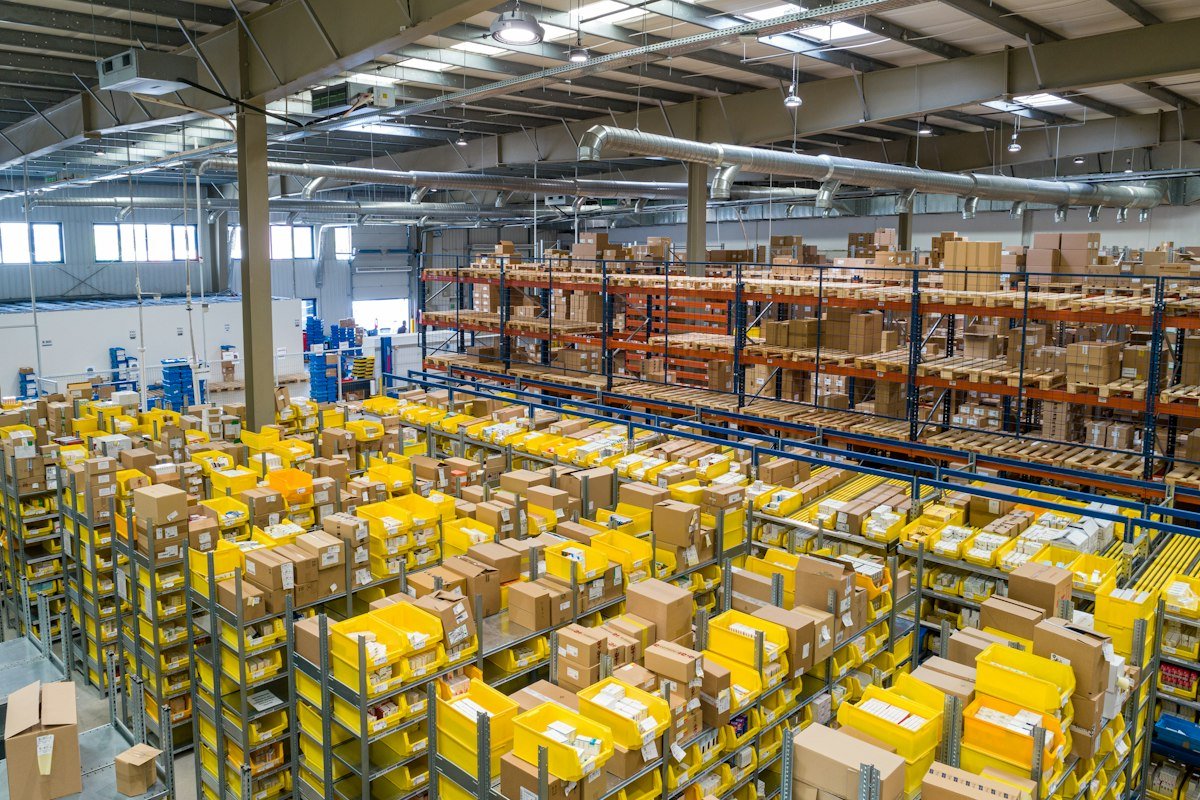
How can a small business compete with Amazon on shipping speed? Here’s the liberating truth: you can’t beat Amazon at its own game, and you don’t need to. Amazon spent $80+ billion building a logistics network; competing on raw speed is suicide. But ‘competing on shipping’ isn’t just speed — it’s the total delivery experience, and small businesses have weapons Amazon doesn’t. Here’s the real playbook.
First, the mindset shift: customers don’t actually need everything tomorrow. They need reliability, transparency, and reasonable speed. Amazon trained expectations, but research consistently shows customers accept 3-5 day shipping from small businesses — IF the delivery date is honest and met. The killer isn’t slow shipping; it’s surprise slow shipping.
The Speed You Can Actually Offer
- Same-day local delivery: YOUR unbeatable advantage. Courier services, DoorDash Drive, Uber Direct, or your own driver — same-day delivery within 10-20 miles costs $5-10 and Amazon can’t touch the personal touch. Advertise it loudly: ‘Order by 2 PM, at your door today.’
- 2-day shipping nationally: achievable without Amazon’s network. Ship from a single location with USPS Priority (2-3 days, $8-15), UPS/FedEx 2Day for premium orders. Price it into products or set a free-shipping threshold.
- Strategic warehouse placement: if you ship volume, a 3PL (ShipBob, ShipMonk, Deliverr) with 2-4 warehouse locations gets 2-day ground coverage to most of the US at ground prices. The small-business logistics hack that actually works.
- Ship same-day YOU receive the order: Amazon’s hidden edge isn’t just trucks — it’s warehouse speed. Match the part you control: orders placed by 2 PM ship today, period. That alone beats most small competitors.
How Can a Small Business Compete With Amazon on Shipping Speed? Win on Everything Around Speed
Since you can’t win the stopwatch, win the experience:
- Radical transparency: show the REAL delivery date before checkout (not ‘5-7 business days’ — ‘arrives Thursday’). Businesses that display honest dates convert better than those promising fast and delivering slow.
- Beautiful packaging: the unboxing experience is marketing Amazon will never match. Branded boxes, tissue, handwritten notes — customers photograph and share this. Your shipping IS your brand.
- Free shipping thresholds: ‘free shipping over $50’ increases average order value 20-30% while funding the shipping cost. The threshold should sit just above your current average order.
- Proactive communication: tracking emails, ‘your order shipped!’ updates, delay warnings BEFORE the customer wonders. Amazon-level communication software (AfterShip, Malomo) costs $20-50/month.
- Easy returns: Amazon’s real moat is painless returns, not speed. Prepaid return labels and no-questions policies remove the #1 purchase hesitation. Yes, it costs — it also converts.
- Local pickup option: free, instant, and brings customers into your store where they buy more. Every local business should offer this.
The Economics (Making It Affordable)
Shipping costs money — here’s how to afford it: negotiate carrier rates (even small shippers get 20-40% off retail via Pirate Ship, Shippo, or direct UPS/FedEx small business programs — never pay retail postage), build average shipping cost into product pricing (spread $8 across a $60 product invisibly), use dimensional discipline (right-size packaging — dimensional weight pricing punishes oversized boxes brutally), and audit quarterly (carriers make billing errors constantly; reclaim services find 5-15% in refunds).
The math that matters: if expedited shipping options convert 15% better and cost $4 more per order, that’s profitable on any product with $30+ margin. Test it — most small businesses underinvest in shipping speed because they feel the cost but don’t measure the conversion lift.
What NOT to Do
Don’t promise what you can’t deliver — a missed ‘2-day delivery’ promise damages trust more than honest 5-day shipping ever could. Don’t eat shipping costs unsustainably to ‘compete’ — Amazon loses money on shipping strategically; you can’t. Don’t ignore the supplier negotiation angle — faster inbound from suppliers means faster outbound to customers. And don’t forget that for many products, customers choose you DESPITE Amazon — for uniqueness, expertise, values, or curation. Your Etsy-style handmade or specialty products aren’t competing with Amazon on shipping; they’re not competing with Amazon at all.
Shipping Software That Saves Hours (and Money)
Manual shipping — copying addresses, comparing rates, printing labels one by one — doesn’t scale past a handful of orders a day. The fix is shipping software, and the good news is the best options are free or cheap: Pirate Ship (free, discounted USPS/UPS rates, no monthly fee — the small-business favorite), Shippo ($0-25/month, multi-carrier comparison), or Shopify/Etsy built-in labels (discounted rates, zero extra setup if you’re on those platforms).
What this software actually does for you: rate shopping across carriers automatically (saving 20-40% versus retail counter rates), batch label printing, automatic tracking emails to customers, and address validation (catching the typos that cause ‘lost’ packages). A business shipping 20 orders a day saves 1-2 hours daily — that’s a part-time employee’s worth of time for $0-25/month. The USPS’s small business shipping resources also detail their commercial pricing tiers, which kick in earlier than most sellers expect.
Level up when volume justifies it: negotiated carrier rates (at ~500+ packages/month, UPS/FedEx reps will deal directly — the discounts beat aggregator rates), a thermal label printer ($100-200, pays for itself in weeks versus inkjet), and the 3PL conversation from earlier (when your garage becomes the bottleneck). Shipping operations should evolve with volume — review the setup every time order volume doubles.
A note on international shipping: don’t ignore it, but don’t lead with it either. Start domestic, add Canada and the UK once volume is steady (USPS First-Class International is affordable for light items), and use calculated shipping at checkout — eating international postage surprises is how sellers lose money. Most small businesses find 5-10% of orders go international with zero extra marketing; it’s found money once the setup exists.
The Bottom Line
How can a small business compete with Amazon on shipping speed? Don’t race Amazon’s stopwatch — win the delivery experience instead: same-day local delivery (your superpower), honest delivery dates, beautiful packaging, proactive communication, painless returns, and 2-day options via 3PLs when volume justifies it. Customers forgive 3-5 days when it’s honest and the box delights them. Compete on the experience Amazon can’t replicate, not the speed you can’t match.