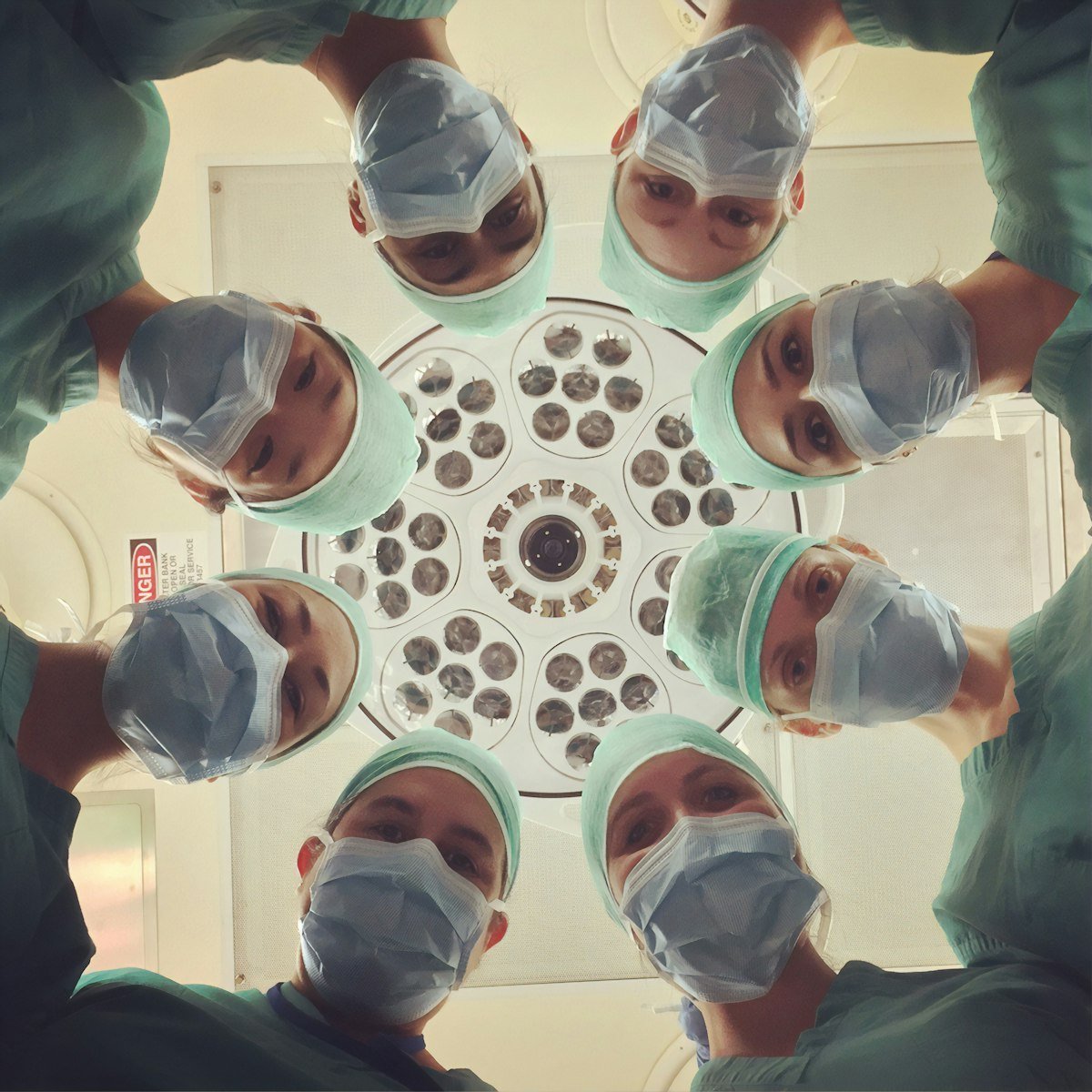
Headlines make it sound like AI is replacing doctors. The reality inside clinics and hospitals is much more mundane — and more interesting. So how do doctors actually use AI in their daily practice? Mostly as a tireless assistant: drafting notes, flagging concerning images, summarizing patient histories, and handling the administrative avalanche. AI hasn’t replaced clinical judgment; it’s giving doctors more time to actually use it.
The Biggest Use: Fighting the Paperwork
Ask doctors what AI changed most and the answer is rarely diagnosis — it’s documentation. Ambient AI scribes now listen to patient visits (with consent) and draft clinical notes automatically. This addresses one of medicine’s worst problems: doctors spending two hours on paperwork for every hour with patients, with burnout to match. Early adopters report saving 1–2 hours daily and — notably — making better eye contact with patients instead of typing through appointments. For a profession in a burnout crisis, that’s not a convenience feature; it’s a lifeline.
Beyond scribing, AI drafts prior-authorization letters, summarizes long patient histories before visits, generates patient-friendly visit summaries, and triages inbox messages — the invisible administrative load that consumes evenings and weekends.
Clinical Uses: Powerful Assistant, Not Replacement
- Medical imaging: AI flags potential issues in X-rays, mammograms, retinal scans, and pathology slides — often catching subtle findings and prioritizing urgent cases in the radiologist’s queue. The radiologist still reads every image; AI is the eagle-eyed second reader that never gets tired.
- Clinical decision support: AI surfaces relevant guidelines, drug-interaction warnings, and risk scores (like sepsis prediction) within the electronic health record. Think of it as a brilliant resident whispering reminders, not making calls.
- Predicting deterioration: Models monitoring vital signs and lab trends can flag patients likely to decline hours before obvious symptoms — genuinely life-saving in ICUs.
- Personalized treatment hints: In oncology and other specialties, AI helps match patients to therapies based on genetic and clinical profiles.
For the patient-facing side of this technology, see how accurate AI symptom checkers are and whether AI will change diagnosis.
What Doctors Worry About
Physicians aren’t blind enthusiasts. Their concerns are specific and legitimate:
- Automation bias: the tendency to trust AI suggestions too much, especially when tired. A wrong AI nudge accepted uncritically is worse than no AI at all.
- Liability: if AI suggests something and the doctor follows it — or overrides it — who’s responsible when things go wrong? The legal framework is still catching up.
- Bias in training data: models trained mostly on certain populations can underperform for others, potentially widening health disparities.
- The human connection: medicine is deeply relational. Doctors worry — rightly — that efficiency gains could become an excuse to shorten visits rather than deepen them.
What This Means for Patients
Practically speaking: your doctor may soon spend less time typing and more time talking to you, get AI-assisted second reads on your scans, and receive earlier warnings if your condition changes in the hospital. You probably won’t notice the AI — you’ll notice a doctor who seems less rushed. And that’s the point. The best medical AI is invisible, working in the background while humans do the human parts: judgment, empathy, and accountability.
Specialty by Specialty: Where AI Helps Most
AI’s impact varies enormously by specialty. Radiology leads adoption — AI second-reads for mammography, lung nodules, fractures, and stroke imaging are clinically deployed and genuinely useful, with the radiologist making final calls. Pathology follows close behind: AI analyzes tissue slides, counts cells, and flags regions of interest, speeding diagnosis of cancers and other conditions. Ophthalmology has FDA-cleared AI for diabetic retinopathy screening — one of the first autonomous diagnostic AIs, used in primary care settings without a specialist present.
Cardiology uses AI for ECG interpretation, echocardiogram analysis, and predicting cardiac events from data patterns. Dermatology has AI that classifies skin lesions with impressive accuracy — though deployment is cautious, since the stakes of a missed melanoma are high. Primary care benefits most from the administrative side: scribes, inbox triage, preventive-care reminders, and risk stratification identifying which patients need outreach. Psychiatry is the most cautious adopter — the field rightly insists that therapeutic relationship and nuanced judgment can’t be automated, though AI helps with documentation and treatment-response prediction.
The training gap
Here’s an underappreciated challenge: most practicing doctors received zero AI training in medical school. They’re adopting powerful tools through vendor demos and trial-and-error, which is not how you deploy safety-critical technology. Medical schools are now scrambling to add AI literacy — understanding what models can and can’t do, recognizing automation bias, evaluating vendor claims critically. The doctors who thrive won’t be the most enthusiastic adopters or the most resistant — they’ll be the most discerning: knowing when to trust the AI’s suggestion, when to override it, and when to ignore it entirely. That discernment is a clinical skill like any other, and it’s currently being built on the job.
AI in Medical Imaging: The Breakthrough Area
If one specialty shows AI’s medical potential most clearly, it’s radiology. AI systems now match or exceed human radiologists at detecting specific findings — lung nodules on CT scans, breast cancer on mammograms, diabetic retinopathy in eye photos, skin cancer in dermoscopy images. The FDA has cleared hundreds of AI imaging devices, and they’re in daily use at major hospitals. A radiologist with AI backup catches more, misses less, and works faster.
But “AI beats radiologists” headlines mislead. These systems excel at narrow, well-defined tasks — flagging a specific abnormality in a specific image type. Real radiology involves integrating imaging with clinical history, comparing with prior studies, communicating nuanced findings, and making judgment calls in ambiguous cases. The working model isn’t replacement but augmentation: AI as tireless first reader, flagging areas of concern, prioritizing urgent cases in the queue (a suspected stroke jumps to the top), and catching the subtle finding at 2am when human fatigue peaks. Radiologists report that AI makes them better at their jobs, not redundant.
Pathology is following the same curve — AI analyzing biopsy slides, counting cells, grading tumors with consistency no human can match across thousands of slides. The pattern across medicine: AI handles the high-volume pattern recognition; humans handle the judgment, context, and communication. For patients, the practical takeaway is reassurance: when your scan is read with AI assistance, you’re getting a second set of tireless eyes on your images. Ask your doctor whether AI-assisted reading was used — not because you should worry if it wasn’t, but because it’s a reasonable question about the quality of your care.
The Takeaway
Doctors actually use AI mostly for documentation and administrative relief — ambient scribes, inbox triage, history summaries — plus clinical decision support like imaging second-reads and deterioration prediction, always with physician judgment in charge. The technology’s biggest gift so far isn’t smarter diagnoses; it’s giving doctors their time and attention back. For authoritative coverage of medical AI’s evidence base, the NIH and New England Journal of Medicine‘s AI section are the gold standards.