The internet has a lot to say about is intermittent fasting safe for people with busy schedules, and honestly, most of it is recycled filler. I wrote this to be different — specific, practical, and grounded in what real people experience. If you read one guide on this topic, make it one that respects your time. That’s the goal here.
Let’s also set expectations honestly: this guide won’t do the work for you. But it will remove every excuse disguised as confusion. By the last section, you’ll know exactly what to do — the rest is just doing it.
Let’s cut through the noise and talk about what the evidence — and real experience — actually says.
Is intermittent fasting safe for people with busy schedules: What You Should Actually Know
Here’s what the research and the real world agree on about is intermittent fasting safe for people with busy schedules: the basics outperform the hacks, every time. Sleep, food, movement, consistency — unsexy, unmarketable, unbeatable. The fancy stuff only matters after the basics are handled, so that’s where we’ll spend our time.
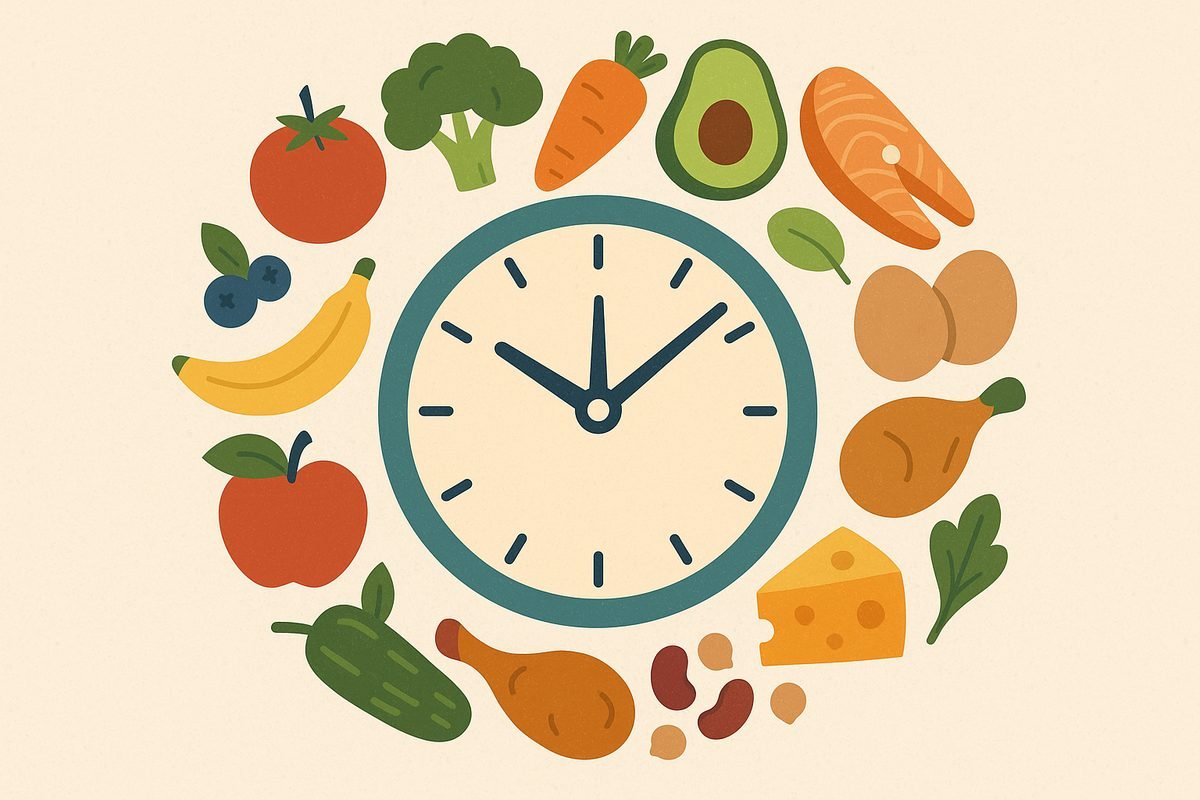
Intermittent fasting is safe for most healthy adults with busy schedules — the popular 16:8 pattern (eat within an 8-hour window) is really just ‘skip breakfast, eat lunch and dinner.’ I did it for a year during a hectic work stretch and found it simplified my mornings more than anything.
The evidence is modest but real: time-restricted eating tends to reduce calorie intake without counting, and some people see better blood sugar control. It’s not magic — it works mainly because you eat fewer hours, so you eat less food.
For the bigger picture, Nutrition.gov’s healthy eating resources is worth a look — it backs up a lot of what I cover here.
It’s not for everyone, though. If you’re pregnant, breastfeeding, have a history of disordered eating, take medication that requires food, or have diabetes, talk to your doctor first. And if fasting makes you binge at night, the schedule is hurting more than helping.
What Actually Moves the Needle
Once the basics are in place, the next layer is where the real gains hide. These are the moves that separate people who struggle from people who make it look easy.
- Start with 12:12 (overnight fast) and stretch the window gradually — no need to jump to 16:8.
- Stay hydrated: water, black coffee, and plain tea are fine during the fast.
- Break the fast with protein and fiber, not a pastry the size of your head.
- Keep your eating window consistent; your hunger hormones adapt to routine.
- Don’t use fasting as an excuse to eat junk — food quality still runs the show.
- If you feel dizzy, shaky, or miserable, eat. No schedule is worth that.
If this topic clicked for you, you’ll probably also get a lot out of our guide to What is the difference between a nutritionist and a dietitian, our guide to What are the best stretches to do before a morning run, and our guide to How can I get my kids to eat more vegetables without a fight — they cover the adjacent questions people ask next.
Small Tweaks That Add Up Fast
The version that stuck for me: black coffee until noon, a big satisfying lunch, a normal dinner, kitchen closed by 8. No app, no timer anxiety — just a rhythm. Simplicity is what makes it sustainable.
Share your tweak with someone. Saying ‘I’m doing X now’ out loud creates a gentle accountability that private resolutions lack. You don’t need a coach — just one person who might ask about it later.
One more resource I trust on this: the National Institutes of Health.
Mistakes Worth Avoiding
These are the traps I see over and over. None of them are obvious until someone points them out.
- Going from three big meals to one giant binge and calling it fasting.
- Chugging bulletproof coffee with 400 calories and insisting you’re ‘fasting.’
- Ignoring warning signs like hair loss, missed periods, or constant irritability.
Your First-Week Action Plan
Reading is nice; doing is better. Here’s a dead-simple seven-day ramp built from the tips above — no overwhelm, just one layer at a time. Each step takes minutes, not hours; the whole point is that a busy person can actually finish this.
- Day 1: Start with 12:12 (overnight fast) and stretch the window gradually — no need to jump to 16:8. Get this handled first — it’s the foundation everything else builds on.
- Days 2–3: Stay hydrated: water, black coffee, and plain tea are fine during the fast. Give yourself a couple of days to make this feel normal.
- Day 4: Break the fast with protein and fiber, not a pastry the size of your head. The basics are rolling now; time to add this next layer.
- Days 5–6: Keep your eating window consistent; your hunger hormones adapt to routine. You’re in the groove — this is where momentum starts compounding.
- Day 7: Don’t use fasting as an excuse to eat junk — food quality still runs the show. End the week by locking in this last piece, then run the whole week back.
One more thing from experience: track one number related to is intermittent fasting safe for people with busy schedules for the next month — sleep hours, servings of vegetables, workouts done, whatever fits. You don’t need a spreadsheet; a note on your phone works. What gets measured gets managed, and the data will show you what’s actually working versus what just feels productive.
Quick Questions, Honest Answers
How long before I notice a difference with is intermittent fasting safe for people with busy schedules?
Most people feel initial changes within two to four weeks of consistent effort, with meaningful results by eight to twelve weeks. The boring truth is that consistency beats intensity — small daily actions compound, while heroic one-week efforts fade.
Do I need to spend a lot of money on is intermittent fasting safe for people with busy schedules?
No — and I’d argue spending more often slows people down, because it substitutes shopping for doing. The fundamentals here are mostly free or cheap: better habits, smarter food choices, and consistency. Spend money only on the bottlenecks you can’t solve free.
When should I talk to a professional about is intermittent fasting safe for people with busy schedules?
When something persists despite four to six weeks of genuine effort, when symptoms are severe or worsening, or when you’re unsure what’s safe for your situation. A single visit can save months of guessing — professionals exist for exactly these questions.
The Bottom Line
The best time to get this right was a year ago; the second-best time is now. Take the simplest win from this guide, do it today, and build from there. Small steps, done repeatedly, beat big plans that never start.