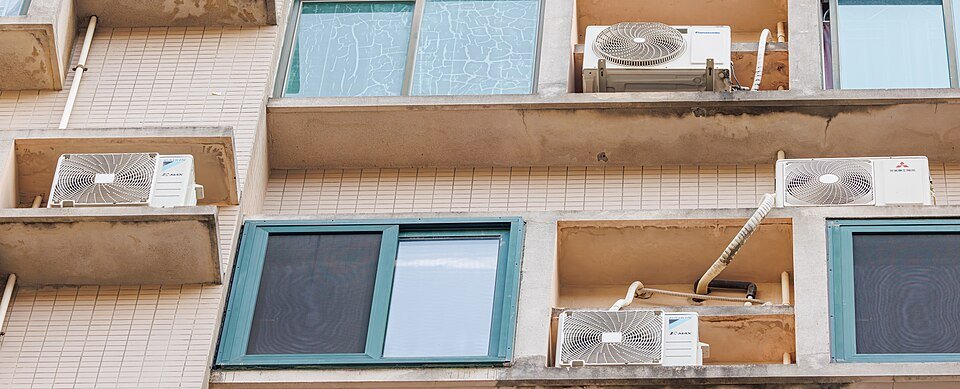
Central air is one of those purchases where the price range is so wide it’s almost unhelpful: $4,000 to $12,000+ for a typical home. But when you ask how much does it cost to install central air conditioning, the range narrows fast once you know your situation: existing ducts or not, system size, and efficiency rating.
I’ve been through two AC installs and collected quotes for a third. Here’s what actually determines your price and how to avoid overpaying.
The three scenarios and their prices
Replacing an existing central AC (ducts in place): $4,000 to $8,000 for most homes. This is the straightforward swap, and quotes should cluster tightly. Wildly high or low outliers deserve scrutiny.
Adding AC to a home with existing furnace ductwork: $5,000 to $10,000. The ducts exist but may need modification, and you’re adding the outdoor condenser, indoor coil, and refrigerant lines. Adding AC with no ductwork at all: $8,000 to $15,000+, since duct installation is major surgery. In that case, seriously consider ductless mini-splits instead, often cheaper and more efficient for ductless homes.
How much does it cost to install central air conditioning by size and efficiency
Size is measured in tons (12,000 BTU per ton), and most homes need 2 to 5 tons based on square footage, insulation, windows, and climate. Bigger is NOT better; an oversized unit short-cycles, cools unevenly, and fails to dehumidify. A proper Manual J load calculation, not square-footage rules of thumb, determines correct sizing.
Efficiency is rated in SEER2. Minimum is around 14-15 SEER2; high-efficiency units hit 20+. Each step up adds $1,000 to $2,500 upfront but cuts operating costs 10 to 20%. In hot climates with long cooling seasons, high efficiency pays back; in mild climates, mid-range is the sweet spot.
Getting quotes without getting played
Get three quotes from licensed, insured contractors, and make sure each includes a Manual J calculation. Any contractor who sizes by square footage alone or quotes over the phone without visiting is cutting corners. The site visit matters.
Compare equipment tiers honestly: a contractor pushing the premium variable-speed system should show you the payback math for your climate. Ask about the warranty (10 years parts is standard on registered equipment), what’s included (thermostat? permits? ductwork modifications?), and the timeline. Never pay more than 10-20% upfront.
Saving money and timing it right
Install in the off-season, fall or early spring, when HVAC companies offer discounts to fill schedules. Summer emergency replacements are the most expensive AC you’ll ever buy, both in price and in rushed decisions.
Check federal tax credits and utility rebates for high-efficiency systems; they can knock $1,000+ off. And maintain what you install: annual service, monthly filter changes in season, and clear space around the outdoor unit. A neglected $8,000 system dies young; a maintained one runs 15 to 20 years.
Smart AC buying
- Demand a Manual J: Proper sizing calculation, not rules of thumb. Oversized units waste money and comfort.
- Get 3 detailed quotes: Licensed contractors, site visits, itemized equipment and labor. Outliers need explanations.
- Install off-season: Fall and spring bring discounts and unhurried installers. Summer emergencies cost extra.
- Check rebates first: Federal credits and utility rebates for efficient systems can save $1,000 or more.
- Right-size efficiency: Match SEER2 to your climate’s cooling load. Hot climates justify premium efficiency.
- Maintain annually: Yearly service and clean filters protect your investment and catch problems early.
AC installation mistakes
- Oversizing the unit: Bigger cools faster but dehumidifies poorly and wears out faster. Correct sizing beats bigger sizing.
- Skipping duct inspection: Leaky old ducts waste 20 to 30% of cooling. Inspect and seal ducts during installation.
- Cheapest quote wins: Rock-bottom bids cut corners on sizing, refrigerant charge, and workmanship. The middle quote is often the value.
- Ignoring the thermostat: A smart thermostat ($150-$250) optimizes any system. Don’t pair new equipment with a 1990s thermostat.
- No maintenance plan: Skipping annual service voids some warranties and shortens system life significantly.
The efficiency question: how much SEER do you need
Each SEER2 step up costs $1,000-$2,500 and saves roughly 7-10% on cooling costs. In Phoenix or Miami with six-month cooling seasons, premium efficiency pays back handsomely. In Seattle or Portland with mild summers, the payback stretches past the equipment’s life. Match the efficiency to your climate’s cooling load honestly.
Don’t forget the hidden efficiency: ductwork. Leaky ducts waste 20-30% of cooled air into attics and crawlspaces. A mid-efficiency unit on sealed ducts often outperforms a premium unit on leaky ducts. When getting quotes, ask about duct inspection; the best contractors check automatically.
Central AC installation: your questions answered
How long does AC installation take?
A straightforward replacement: one day. Adding to existing ductwork: one to two days. Full new ductwork: three to five days. Weather and complexity shift these, but a good crew works fast. Plan for a day without cooling during the swap.
What size AC do I need for my house?
It depends on far more than square footage: insulation, windows, climate, shading, and ceiling height all matter. A Manual J load calculation is the correct answer; rule-of-thumb sizing oversizes, which hurts comfort and efficiency. Demand the calculation.
Should I replace the furnace at the same time as the AC?
If the furnace is 15+ years old, yes; the labor overlaps significantly and matched systems perform better. If the furnace is young, leave it. Bundling saves roughly 15-25% versus doing them separately later.
Do I need new ductwork with a new AC?
Not necessarily, but have it inspected. Undersized, leaky, or damaged ducts cripple new equipment. Sealing and insulating existing ducts ($1,000-$3,000) is often the smart middle path. New ducts are only needed when the old ones are fundamentally wrong.
The bottom line
Budget $4,000 to $8,000 for a straightforward replacement, $8,000 to $15,000+ if ducts need installing (consider mini-splits instead). Demand Manual J sizing, get three quotes, install off-season, and claim every rebate. The right-sized, mid-efficiency system installed well beats an oversized premium unit installed poorly. Worth a look next: best energy-efficient upgrades for an older home and average cost to install a ceiling fan with an electrician. The ENERGY STAR’s central AC buying guide has authoritative detail on this topic.