Gel versus acrylic — the eternal nail salon debate, and the answer the internet gives (“gel is healthier!”) is oversimplified to the point of being wrong. Both can look beautiful, both can damage nails when done badly, and the right choice depends on your nail goals, lifestyle, budget, and the skill of your technician. Chicago has excellent nail salons for both — but you should walk in knowing what you’re choosing and why. Here’s the complete, unbiased comparison.
What They Actually Are
Gel nails (soft gel / gel polish, like Shellac) are polish cured under UV/LED light. Applied to your natural nail (or over a short extension), each layer hardens in 30–60 seconds under the lamp, creating a durable, glossy coating. There’s also hard gel, used for building extensions — stronger, filed off rather than soaked.
Acrylic nails are a mixture of liquid monomer and powder polymer that hardens in air, sculpted over tips or forms to create length and shape. They’re the classic salon extension — strong, versatile, and the foundation of most elaborate nail art.
The confusion: “gel” sometimes means gel polish on natural nails, sometimes hard-gel extensions. When comparing to acrylic, clarify which gel you mean — gel polish (overlay) versus hard gel (extensions) are different services with different trade-offs.
Durability and Lifestyle Match
Acrylic wins on raw strength. Properly applied acrylics withstand 2–3+ weeks of typing, cleaning, and general life; they’re the choice for very long lengths and dramatic shapes (stiletto, coffin) that need structural rigidity. If you’re hard on your hands or want serious length, acrylic is the workhorse.
Gel polish wins on natural feel. Thinner, more flexible, more like a super-durable regular manicure. Lasts 2–3 weeks without chipping on most people. Better for those who want polish that survives, not architecture. Hard gel splits the difference — stronger than gel polish, more natural-feeling than acrylic.
Lifestyle honesty matters: nurses, chefs, and frequent hand-washers chip everything faster; desk workers keep everything longer. Chicago winter is hard on all enhancements — dry air lifts edges, and the constant hand-washing of cold season shortens wear. Cuticle oil daily (yes, over the enhancement) is the single best wear-extender for both types.
Nail Health: The Real Damage Story
Here’s what actually damages nails: improper removal (peeling, prying, picking — the cause of 90% of enhancement damage), over-filing of the natural nail during prep (aggressive e-filing thins the nail plate), and MMA acrylic (methyl methacrylate — cheap, illegal in many states, brutally hard to remove and damaging; ask your salon what they use — EMA, ethyl methacrylate, is the safe standard).
Neither gel nor acrylic inherently ruins nails when applied and removed correctly by a skilled technician. The damage horror stories are technique failures, not product failures. Gel polish soaks off gently in acetone (10–15 minutes, no prying); acrylics soak longer and need more careful removal. UV exposure from curing lamps is minimal — studies show the dose is far below concerning levels, though fingerless UV gloves exist for the cautious.
Support nail strength from within too: nutrition for nail health — biotin, protein, and iron all affect nail strength, and no enhancement adheres well to fundamentally weak, peeling nails. Fix the foundation and every manicure type lasts longer.
Cost and Maintenance Reality
Gel polish manicure: typically $35–$60 in Chicago, fills/rebalance every 2–3 weeks, soak-off removal $10–$15 (or included with the next service).
Acrylic full set: typically $50–$85+, fills every 2–3 weeks ($30–$50), removal more involved and sometimes pricier.
The hidden cost is maintenance discipline: both need regular fills — waiting until they’re lifting invites breakage and moisture trapped under lifting edges (hello, green nail fungus risk). Budget for the fill cycle, not just the initial set. Skipping fills to save money is the most expensive choice long-term, because breakage repairs cost more than fills.
Aesthetics and Occasion
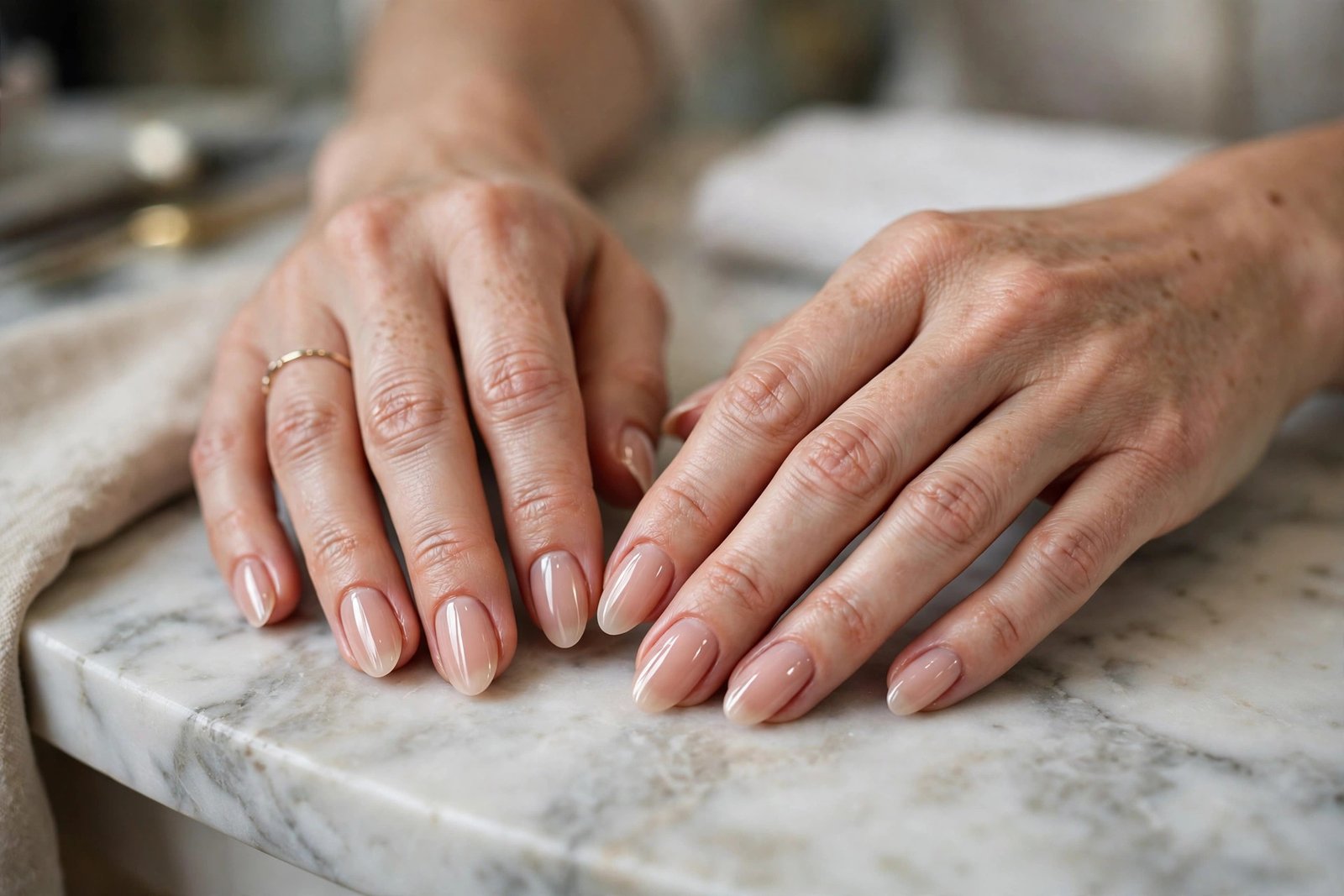
Gel polish looks most natural — the thin profile mimics a perfect regular manicure, ideal for professional settings where subtlety matters. Professional polish on a budget pairs well with gel’s clean, understated finish. Acrylics offer unlimited shape and length possibilities plus a perfect canvas for elaborate art — the choice for weddings, events, and nail-art enthusiasts. Hard gel gives the acrylic look with a slightly more natural feel.
Removal flexibility favors gel polish: soak off at home safely (with patience and proper technique) versus acrylics, which really need professional removal to avoid damage. If you like changing things up frequently, gel polish’s easier on-off cycle is liberating.
The Decision Framework
Choose gel polish if: you want durable color on your natural nails, prefer a natural look and feel, change styles often, or prioritize gentler removal.
Choose hard gel if: you want extensions with a more natural feel than acrylic and a skilled hard-gel technician is available (technique matters enormously here).
Choose acrylic if: you want maximum length, dramatic shapes, ultimate durability, or elaborate nail art — and you commit to professional fills and removal.
Choose neither (regular polish) if: your nails are currently damaged and need a break — sometimes the healthiest choice is bare nails with cuticle oil for a month. Enhancements on damaged nails adhere poorly and worsen the cycle.
Allergy Alert: Acrylates
One safety note both sides share: acrylate allergy. Methacrylate compounds in gel and acrylic products can cause allergic contact dermatitis — redness, itching, swelling around the nails — and in severe cases, the allergy becomes permanent, ending all enhancement use. The risk rises with skin contact during application (flooding cuticles with product, curing with product on skin) and with cheap at-home kits used without training. Warning signs: itching or redness that appears 24–48 hours after application and worsens with each fill. If this happens, stop enhancements immediately and see a dermatologist — continuing use can make the allergy severe and lifelong. The American Academy of Dermatology’s nail care guidance covers acrylate allergy signs, and Mayo Clinic’s resources detail when nail symptoms warrant medical evaluation. This is the strongest argument for skilled professional application: proper technique keeps product off skin.
Finding a Good Chicago Salon
The technician matters more than the product. Look for: EMA products (ask), e-file used gently or hand-filing, no painful prep, proper sanitation (hospital-grade disinfectant, single-use files), and honest advice (a good tech talks you out of lengths your lifestyle can’t support). Check reviews specifically mentioning natural nail health after removal — that’s the true quality signal. Price-shop less, technician-shop more.
Conclusion
Gel versus acrylic isn’t a health debate — it’s a lifestyle match. Gel polish: natural, flexible, easy removal, 2–3 week wear. Acrylic: maximum strength and shape versatility, needs committed maintenance. Both are safe with skilled application and proper removal; both damage nails when done badly. Match the service to your goals, budget for the fill cycle, oil your cuticles daily, and choose the technician over the trend. Your nails, your rules — now informed ones.
Frequently Asked Questions
Which is better for your nails, gel or acrylic?
Neither inherently damages nails — damage comes from improper removal (peeling/prying), over-filing during prep, and MMA products. Gel polish soaks off more gently; acrylics need more careful professional removal. Technician skill matters far more than product choice.
How long do gel vs acrylic nails last?
Both typically last 2–3 weeks before needing fills. Acrylics are stronger for very long lengths; gel polish feels more natural. Chicago winter (dry air, frequent hand-washing) shortens wear for both — daily cuticle oil is the best wear-extender.
Can I remove gel or acrylic nails at home?
Gel polish: yes, with patience — acetone soak 10–15 minutes, gentle pushing, never prying. Acrylics: professional removal strongly recommended; improper home removal is the top cause of nail damage. Never peel or pry any enhancement off.
What is MMA and why should I avoid it?
Methyl methacrylate is a cheap, extremely hard acrylic product that’s damaging to natural nails, difficult to remove, and restricted in many places. Ask salons if they use EMA (ethyl methacrylate) — the safe professional standard. Unusually cheap full sets are a red flag.