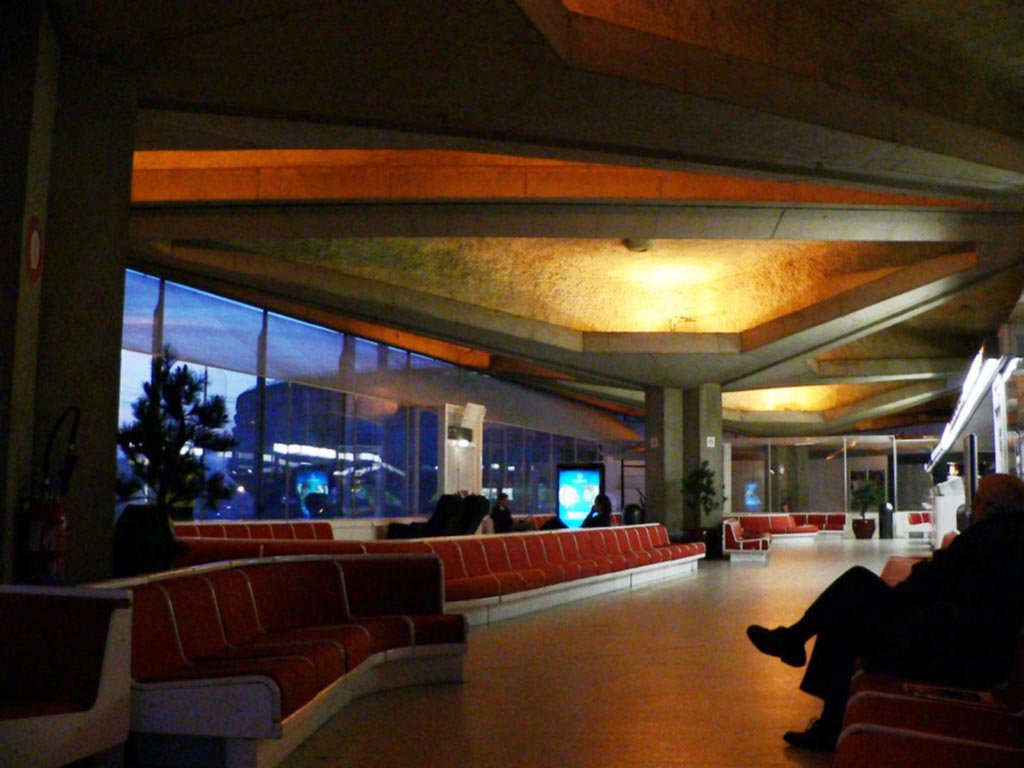
Learning how to make a long layover at the airport enjoyable is a travel superpower — the difference between a miserable 6-hour purgatory and a genuinely pleasant interlude (or even a bonus mini-trip). The secret: layovers are only miserable when you’re passive. With a plan matched to your layover length, airport quality, and energy level, long connections become something you almost look forward to. Here’s the playbook by layover length.
First: assess your layover
- Under 3 hours: not a “long layover” — stay put, find food, charge devices, walk the terminal. Don’t risk leaving.
- 3–5 hours: the lounge zone — enough time to relax properly, not enough to leave (usually).
- 5–8 hours: the sweet spot — lounge + exploring, or a quick city excursion in efficient airports.
- 8+ hours / overnight: leave the airport territory — city visit, proper rest, or even a hotel day-room.
Key variables: international vs. domestic (international means immigration/customs/security each way — budget 2+ hours of overhead), time of day (a 2 a.m. layover has different options than 2 p.m.), and the airport itself (Changi, Incheon, and Hamad are destinations; a regional airport at midnight is a chair).
The lounge: the #1 layover upgrade
- Day passes ($50–75): Priority Pass, or airline-specific day passes. For a 5+ hour layover: comfortable seating, real food, drinks, Wi-Fi, showers, quiet. The math works — it’s cheaper than 5 hours of airport restaurants and infinitely more pleasant.
- Credit card access: several travel cards include Priority Pass or airline lounge access — if you fly regularly, this perk alone justifies the annual fee. Check what you already have before buying a pass.
- Airline status: even low-tier status often includes lounge access on international itineraries.
- The shower factor: a shower mid-journey (long-haul layovers) is transformative — you board the next flight feeling human. Pack a change of clothes in your personal item (What is the best luggage for frequent international travelers) for exactly this.
Exploring the airport (the good ones reward it)
- World-class layover airports: Singapore Changi (butterfly garden, free 24-hour movie theater, rooftop pool, Jewel), Seoul Incheon (free transit tours, cultural center, ice skating), Doha Hamad (art installations, the famous teddy bear, quiet rooms), Amsterdam Schiphol (Rijksmuseum annex, library, casino), Munich (beer garden, mini-golf).
- The terminal walk: even at ordinary airports, walking the full terminal is exercise, exploration, and time-killing in one. Find the art installations, the observation deck, the weird local food outpost.
- Airport yoga/meditation rooms: increasingly common (SFO, ORD, DFW, and others) — free, quiet, exactly what a long travel day needs.
- Local food, not chains: the airport outpost of a local restaurant is a legit culinary experience (tacos in Austin, BBQ in Kansas City, deep dish in Chicago). Eat the city you’re in.
Leaving the airport (5+ hours, plan carefully)
- The math: layover minus 2 hours (deplane + re-clear security/immigration) minus 1 hour buffer before boarding = usable city time. A 7-hour layover = ~4 usable hours. A 5-hour international layover = maybe 2 — often not worth it.
- Visa/transit requirements: check BEFORE booking — some countries require transit visas even for airport exits. Know the rules for your passport.
- Luggage: checked bags transfer automatically (usually — confirm); carry-ons go in airport lockers/storage (most major airports have them).
- Best layover cities: efficient transit to center — Singapore (20 min), Amsterdam (15 min), Seoul (45 min express), Reykjavik (45 min bus — Blue Lagoon layover tours exist!), Istanbul (free Touristanbul for Turkish Airlines layovers 6+ hours — the gold standard of layover programs).
- Have a single objective: one neighborhood, one meal, one sight. The layover city visit is a tasting menu, not a feast.
Rest and sleep strategies
- Rest zones: many airports have designated quiet areas with recliners (search Sleeping in Airports for your specific airport’s setup — it’s the bible of airport sleeping).
- Nap pods / minute suites: airports increasingly offer pay-by-the-hour nap pods or tiny private rooms ($15–40/hour). For overnight layovers, this beats a terminal chair completely.
- Day-room hotels: airport hotels sell day rooms (9 a.m.–6 p.m.) for $80–150 — a real bed, shower, and silence. For 8+ hour daytime layovers, the best money you’ll spend.
- Sleep kit: eye mask, earplugs, neck pillow, light blanket/scarf — the How can I make my bedroom darker for better sleep darkness principle applies at gate B27 too.
Productivity and pleasure (making hours vanish)
- The layover project: one defined task — photo editing (How can I take great travel photos with just my phone + What is the best way to organize family photos digitally), journaling the trip (What is the best way to start journaling for mental clarity), learning 20 phrases of the destination language, planning the next leg in detail.
- Entertainment pre-loaded: downloaded shows, podcasts (What are the best podcasts for personal growth and motivation), books, games — airport Wi-Fi is unreliable; self-sufficiency isn’t.
- People-watching: the underrated layover art. Airports are humanity’s greatest theater — grab coffee, find a good seat, observe.
- Exercise: terminal walking (measure it — some airports mark walking distances), stretching in the yoga room, bodyweight exercises in a quiet corner. Arriving loose beats arriving stiff.
Overnight layovers specifically
If the airline caused it (cancellation/misconnect), ask for a hotel voucher — What should I do if my flight gets cancelled at the airport covers the full cancellation playbook. If it’s your booking choice: the airport hotel (even just for 6 hours of real sleep) beats the terminal every time. Set multiple alarms, confirm the shuttle schedule, and keep your documents on you.
The overnight layover kit (pack this always)
If you travel enough, an overnight layover will happen — by choice or by cancellation (What should I do if my flight gets cancelled at the airport). Keep a mini kit in your personal item permanently: earplugs and eye mask, a toothbrush and deodorant, a phone charger and power bank, a change of underwear, any nightly medication, and a collapsible water bottle. It weighs almost nothing and converts a terminal night from miserable to manageable.
The decision tree for overnight layovers: under 6 hours until the next flight? Stay airside — rest zone, nap pod, or quiet gate area. 6–10 hours? Airport hotel day-room or nap pod — real sleep is worth the money. 10+ hours? Leave, see something, sleep in a real bed, return early. And whatever you do, set three alarms for the return — the overnight layover’s only real danger is the sleep-through. The layover is not the trip going wrong; it is the trip getting longer. Pack for it, plan for it, and it becomes a story instead of a complaint.
Further reading: airport layover guides from Sleeping in Airports.
Takeaway: Enjoy long layovers by matching the plan to the length: lounges (day pass or card access) for 3–5 hours, airport exploration or a quick city excursion for 5–8, real rest (nap pod, day-room) for 8+. Great airports (Changi, Incheon, Hamad) are destinations in themselves; everywhere else, the lounge + a project + good food works. The layover isn’t lost time — it’s unplanned time, which is only miserable if you don’t plan it.