When it’s dark at 5pm and the wind is doing something rude outside, only certain foods will do. The best comfort food recipes for cold winter nights share a formula: warmth, richness, carbs, and the kind of aroma that fills the house and makes everyone drift toward the kitchen. This isn’t health-food season; it’s braising season.
Here are the 15 dishes I return to every winter, why each one works, and the techniques behind the coziest ones.
The Hearty Classics: Stews, Braises, and Pot Pie
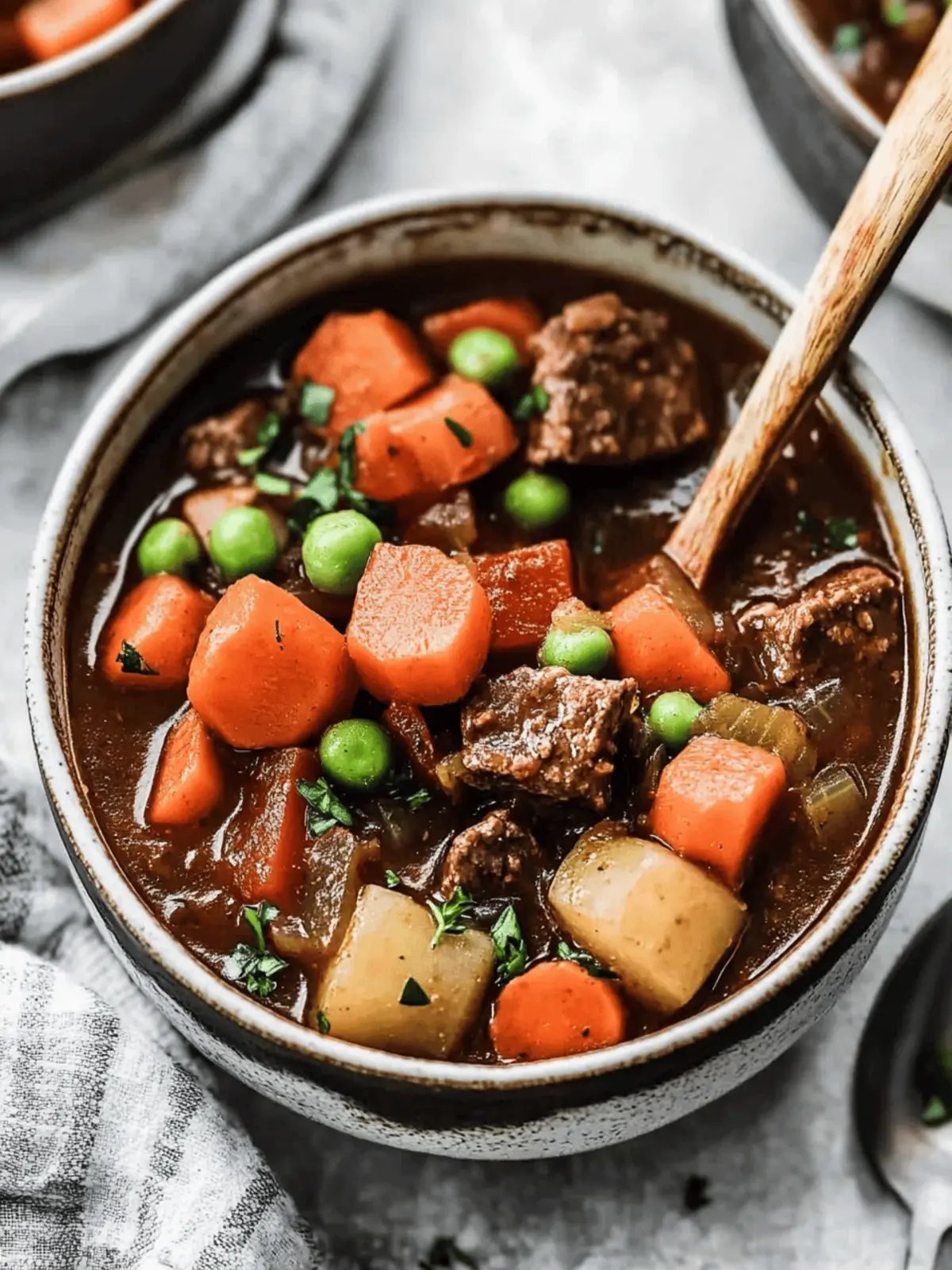
Beef stew is the undisputed champion — chunks of chuck simmered low with root vegetables until the meat surrenders. The key is browning the meat properly first (crowd the pot and it steams; work in batches) and giving it a full 2 to 2.5 hours. Braised short ribs follow the same logic taken further: sear, add wine and aromatics, and let the oven do 3 hours of magic. The collagen melts into the sauce and you get meat you can cut with a spoon.
Chicken pot pie earns its place through the combination of creamy filling and flaky crust — use a store-bought crust without shame and focus your effort on a well-seasoned filling with thyme and a splash of cream. Shepherd’s pie (lamb) or cottage pie (beef) topped with buttery mashed potatoes is the same comfort in casserole form. These are the dishes where a slow cooker earns its counter space: set it in the morning, come home to dinner.
- Beef stew with root vegetables — brown in batches, simmer 2+ hours
- Braised short ribs — 3 hours in the oven, spoon-tender
- Chicken pot pie — creamy thyme filling, flaky crust
- Shepherd’s/cottage pie — savory base, buttery mash top
- Chili — the ultimate one-pot winter workhorse
Carbs and Cheese: The Cozy Middleweights
Mac and cheese made properly — with a real béchamel, sharp cheddar, and a crunchy breadcrumb top — is a different species from the box. Baked ziti, lasagna, and creamy chicken-and-rice casserole all work the same comfort levers: starch, cheese, warmth. These are also the best make-ahead winter meals; assemble on Sunday, bake on Wednesday.
Mashed potatoes deserve their moment: Yukon Golds, plenty of butter, warmed milk, and salt — whipped just until smooth (overworking makes them gluey). Serve them under anything braised and the gravy situation resolves itself. And don’t overlook soup as a main: loaded baked potato soup, creamy tomato with grilled cheese for dipping, and chicken and dumplings all qualify as full dinners. The science of why warm foods comfort us is real — temperature and richness genuinely affect mood and satiety.
- Real baked mac and cheese with breadcrumb topping
- Lasagna or baked ziti — better as leftovers
- Buttery mashed potatoes (Yukon Gold, don’t overwork)
- Creamy tomato soup + grilled cheese
- Chicken and dumplings
Slow Breakfasts and Sweet Endings
Winter weekends deserve biscuits and sausage gravy, or a Dutch baby pancake puffed golden from the oven — both come together fast and warm the kitchen literally and figuratively. Overnight French toast casserole means you wake up to breakfast already half-made.
For dessert, nothing beats a fruit crisp or cobbler with vanilla ice cream: the hot-cold contrast, the buttery oat topping, the bubbling fruit. Bread pudding made from stale bread (see my bread storage guide for keeping loaves fresh) turns leftovers into luxury. And a simple pot of hot chocolate — real chocolate melted into warm milk, not powder — is winter’s perfect nightcap.
What Makes Comfort Food Work
It’s not just nostalgia, though that’s part of it. Warm foods literally warm you; fats and carbs trigger satiety signals that read as contentment; and the long cooking times fill your home with smells that signal safety and abundance. That’s why the best winter dishes are braises, bakes, and simmered pots — they engage the senses for hours before you even eat.
My practical advice: pick one project dish per week (the short ribs, the lasagna) and fill the other nights with the easy ones (soup, chili, mac and cheese). Winter is long; pace your comfort. And make extra — nearly everything on this list reheats beautifully, which means Tuesday’s stew becomes Wednesday’s lunch with zero additional effort.
Vegetarian Comfort Food Recipes for Cold Winter Nights
Comfort food recipes for cold winter nights don’t require meat — some of the coziest dishes are vegetarian. Mushroom stroganoff (cremini and shiitake in a sour-cream sauce over egg noodles) has the deep savoriness of beef versions. Butternut squash risotto, stirred slowly with parmesan and sage brown butter, is luxurious and warming. Lentil shepherd’s pie — lentils and mushrooms under buttery mash — satisfies the same cravings as the beef original.
Indian-inspired dishes shine in winter: chana masala, dal makhani, and aloo gobi are hearty, cheap, and built for cold nights. Baked pasta (ziti or shells with ricotta and marinara), French onion soup with its gruyère-capped crock, and a proper grilled cheese with tomato soup need no meat to comfort. The secret to vegetarian comfort food is umami — mushrooms, tomato paste, soy sauce, aged cheese, and caramelized onions provide the depth that makes meat dishes satisfying. Build that foundation and nobody misses the beef.
Freezer-Friendly Comfort Food
The best comfort food recipes for cold winter nights are also the best freezer meals — cook once, eat twice. Beef stew, chili, lasagna, shepherd’s pie, and chicken pot pie filling all freeze beautifully for 3 months. Cool completely, portion into meal-sized containers, label with contents and date, and freeze flat in bags to save space. Thaw overnight in the fridge and reheat gently.
The Sunday cook that sets up your month: make a double batch of one braise or bake, eat half fresh, freeze half. Rotate through four recipes and you build a freezer full of variety without a single marathon cooking day. Winter comfort isn’t just about the eating — it’s about knowing there’s a homemade stew waiting in the freezer on the worst Tuesday of January. That’s security you can taste.
The Bottom Line
Braise the tough cuts, bake the cheesy carbs, simmer the soups, and finish with something warm and sweet. The best comfort food recipes for cold winter nights aren’t complicated — they’re patient, rich, and served hot in a warm kitchen.