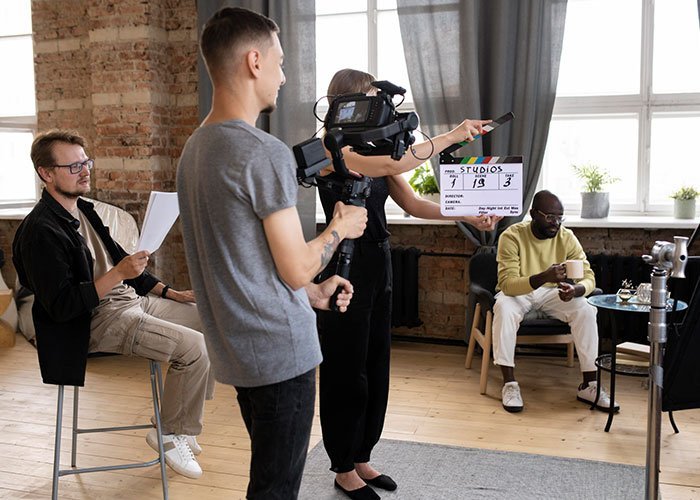
Reality TV is a vast, uneven landscape — for every brilliant competition series there are five forgettable dating shows. The best reality TV shows to start watching now are the ones with genuine craft: real stakes, compelling people, and production that respects your intelligence (or at least your time).
Here are 20 picks organized by vibe, from prestige competition to glorious trash.
Prestige Competition: Reality TV at Its Best
The Traitors is the current phenomenon — part murder mystery, part social strategy game, with a cast lying to each other’s faces in a Scottish castle. It’s genuinely thrilling television. The Great British Bake Off remains the warmest competition show ever made — low stakes, high kindness, beautiful bakes. Top Chef is the connoisseur’s pick: real culinary skill, smart judging, minimal manufactured drama.
Alone (survivalists in the wilderness, genuinely harrowing), The Amazing Race (the best travel show disguised as a race), and Lego Masters (surprisingly emotional) round out the prestige tier. These shows work because the competitions are real — the outcomes aren’t scripted, the skills are genuine, and the casting finds people you actually care about. Reality Blurred covers the genre with unusual seriousness if you want deeper coverage.
- The Traitors — social strategy masterpiece
- Great British Bake Off — the warmest show on TV
- Top Chef — real skill, smart judging
- Alone — genuinely harrowing survival
- The Amazing Race — travel + competition
Dating Shows Worth Your Time
Love Is Blind’s pods-before-faces experiment produces fascinating relationship psychology amid the mess. Indian Matchmaking offers a culturally rich look at arranged marriage in the modern world — it’s thoughtful in ways the genre rarely is. For lighter fare, Love Island (UK version is the gold standard) is the perfect background watch.
The key to enjoying dating shows: embrace the sociology. These are fascinating documents of how people present themselves, form alliances, and self-sabotage — anthropology with better lighting. Watch with friends and a group chat for maximum enjoyment; dating shows are a communal experience.
Docuseries and Lifestyle Reality Shows
Queer Eye’s makeovers are really about emotional transformation — bring tissues. Somebody Feed Phil is the purest joy on television: a man who loves food traveling the world with childlike enthusiasm. Home renovation shows are aspirational comfort viewing.
True crime-adjacent reality scratches the documentary itch with reality pacing — my true crime documentary guide covers the serious side. And shows like Nailed It! (terrible bakers, hilarious results) prove that failing spectacularly is its own entertainment genre.
How to Watch Reality TV Without the Guilt
Drop the guilt — reality TV is a legitimate art form when done well, and even the trashy stuff serves a purpose (communal viewing, decompression, group-chat fodder). The trick is curating: pick shows with real stakes or real heart, and skip the ones that feel mean-spirited. If a show makes you feel worse about humanity, that’s a review, not entertainment.
Binge strategically: competition shows are perfect long-weekend binges because the episode structure pulls you forward. And remember the golden rule of reality TV: never look up spoilers, and never trust the edit — the producers are telling a story, not documenting reality.
Dating vs Competition: Which Best Reality TV Shows Fit You
Choosing among the best reality TV shows to start watching now comes down to what you want: strategy or sociology. If you love game theory, alliances, and outwitting — go competition: The Traitors, Alone, Top Chef, The Amazing Race. The stakes are real, the gameplay is genuine, and the winners earn it. These reward active watching; you’ll find yourself strategizing along.
If you want human psychology, messy emotions, and watercooler moments — go dating and social: Love Is Blind, Indian Matchmaking, Love Island. These are anthropology with better lighting; watch for the patterns in how people present themselves and self-sabotage. The docuseries middle ground (Queer Eye, Somebody Feed Phil) suits viewers who want heart without competition or cringe. Start with one from each category — one competition, one dating, one docuseries — and see which one you finish first. Your viewing habits will tell you who you are.
- Strategy lovers: The Traitors, Alone, Top Chef
- Sociology lovers: Love Is Blind, Indian Matchmaking
- Heart-first: Queer Eye, Somebody Feed Phil
Reality TV Guilty Pleasures, Defended
The defense of ‘trash’ reality TV: it’s communal, it’s decompressing, and it’s more honest about human nature than prestige drama. The dating shows are sociology; the competition shows are game theory; the lifestyle shows are aspiration. Dismissing the genre misses what it does well — and what it does well, it does better than any other format.
The curation principle: watch what you enjoy, skip what feels mean. The genre’s best (Traitors, Bake Off, Top Chef) stands with any television. The genre’s worst is still better than doomscrolling. No guilt required — just good taste within the genre, which is all any of us can ask of ourselves.
Reality TV Around the World
American reality TV is just one flavor — the international versions often surpass the originals. The UK’s ‘Love Island’ and ‘The Great British Bake Off’ set the templates; Korea’s physical competition shows (‘Physical: 100’) bring cinematic production; Japan’s ‘Terrace House’ offers a gentler, more reflective take on the cohabitation format. Different cultures, different reality TV values.
Exploring internationally also reveals how much of the genre is format-driven: the same show structure plays completely differently with British reserve versus American maximalism. Subtitles are a small price for the variety. The genre is global; your watchlist should be too.
The Reunion Episode Phenomenon
No reality TV discussion is complete without the reunion episode — the format’s strangest and most compelling ritual. Months after filming, the cast reunites on a soundstage to rehash betrayals, confront edits, and occasionally reconcile. The reunion often out-rates the season itself, because it collapses the distance between the show and reality: the people are real, the feelings are raw, and the fourth wall wobbles.
The best reunions (the early ‘Real Housewives’ seasons, ‘Love Is Blind’ live debacles) become cultural events in their own right. They also reveal the machinery: contestants disputing edits, producers’ questions steering narratives, the gap between what aired and what happened. Watch the reunion as the show’s DVD commentary — it’s where reality TV admits what it is, and that honesty is weirdly the most real thing about it.
The Bottom Line
Start with The Traitors, Bake Off, or Top Chef for quality; embrace dating shows as sociology; and never feel guilty. The best reality TV shows to start watching now prove the genre’s range — from genuine artistry to glorious, joyful trash.