
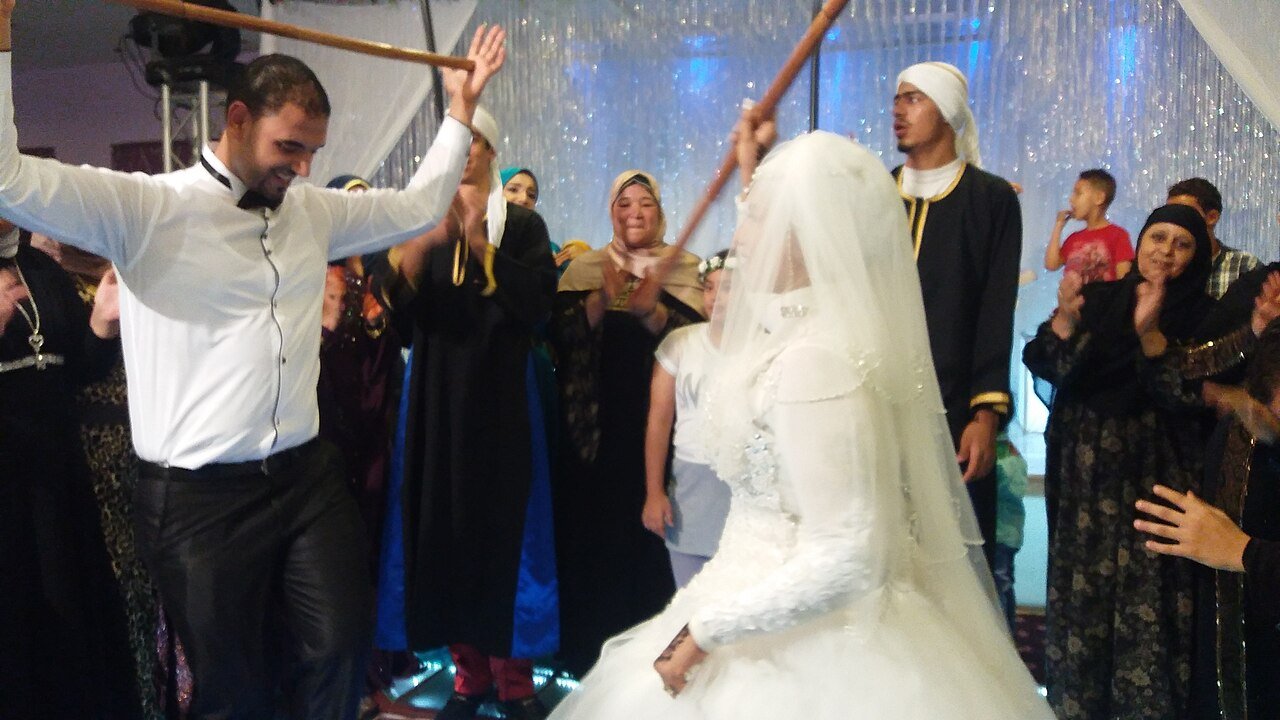
What are the best ways to save money on a wedding? Start with the math that matters: the average US wedding now costs well over $30,000, but the guest count drives roughly half of that — every guest is a seat, a meal, a favor, a slice of cake, and a share of the venue. So the unsexy truth is that the guest list is the budget. Everything below works, but nothing works like inviting fewer people. With that established, here are 20 real ways to cut costs without a wedding that feels cheap.
The big three (where the real money is)
1. Cut the guest list ruthlessly
Going from 150 to 80 guests can save $10,000+. The rule: if you haven’t spoken in a year, they don’t come. Parents’ friends, obligatory coworkers, plus-ones for single guests you barely know — all cuttable. Small weddings aren’t just cheaper; guests consistently rate them as more meaningful.
2. Pick a cheap date and venue
Friday or Sunday weddings cost 20–30% less than Saturdays. Off-season (January–March, November) discounts are steep. And the venue itself: public parks, restaurants with private rooms, family property, art galleries, breweries — non-traditional venues run thousands less than wedding factories. A beautiful park pavilion at $500 beats a ballroom at $8,000, and photos are better outdoors anyway.
3. Rethink the meal
The sit-down dinner is the most expensive way to feed people. Cheaper formats that guests actually prefer: brunch wedding (cheapest catering of the day + mimosas), cocktail-style with heavy appetizers, food trucks ($15–25/person, fun, memorable), BBQ or taco catering, cake-and-champagne afternoon reception. A taco truck wedding is both cheaper and more fun than rubber chicken — this isn’t settling.
The next tier (thousands more in savings)
- Alcohol: beer, wine, and one signature cocktail. Full open bars run $30–50/person. A curated selection runs $12–18. Nobody misses the vodka cran at a wedding.
- Flowers: go minimal and seasonal. Bridal bouquet + a few statement arrangements, not centerpieces on every table. Candles, greenery, and bud vases with grocery-store flowers ($100 total) look modern and intentional. Or skip flowers for non-floral centerpieces entirely — lanterns, books, fruit.
- Photography: don’t skimp, but be smart. This is the one vendor worth real money (it’s all that lasts), but you can book 6 hours instead of 10, skip the second shooter for small weddings, or hire a talented newer photographer building their portfolio.
- Music: DJ over band. A great DJ ($1,000–1,500) versus a band ($4,000+) — the dance floor doesn’t care. Or a curated playlist + good speakers for the truly budget version (assign a friend as MC).
- Attire: sample sales, preowned, separates. Sample-sale and preowned wedding dresses run 50–70% off retail. Suits: buy or rent. Bridesmaids in mismatched dresses within a color palette (they choose, they rewear, you don’t pay).
- Invitations: digital or minimal. Paperless invitations are now completely socially acceptable and save $300–500. If you want paper, one simple design, no extras (skip the inner envelope, the tissue, the wax seal).
- Cake: small display + sheet cake. A beautiful small cake for photos and cutting, sheet cake from a good bakery (or Costco — genuinely delicious) for serving. Saves hundreds; nobody knows.
The “skip entirely” list
Things the wedding industry sells that guests don’t notice: favors (skip them — or do one edible favor), programs (one sign instead), chair covers, elaborate welcome bags (a nice note + water + snack suffices), videography if the budget’s tight (a talented friend with a good phone + a tripod captures the ceremony fine), limos (your car works), and rehearsal dinners at restaurants (backyard BBQ instead).
What NOT to cut
- Photography (above) — the only thing that lasts.
- Food quality and quantity. Guests forgive simple; they don’t forgive hungry. Feed people well, whatever the format.
- Your own comfort. Good shoes, a meal on the wedding day, a coordinator or organized friend running the timeline — your enjoyment is the point.
- Marriage license and legal bits. Obviously. But also: don’t go into debt for one day. Starting married life with $20k of wedding debt is the most expensive “saving” of all.
The budget framework
Set the total first, then allocate by priority: each partner lists their top 3 must-haves (photography, food, music…). Fund the must-haves fully, economize everything else. Track in a simple spreadsheet — wedding costs creep through a hundred small “it’s only $200” decisions. The Knot’s budget tools and real-wedding cost data help calibrate what’s reasonable in your area.
The wedding day emergency kit (pack this)
Every budget wedding needs one $30 investment: the emergency kit. A small bag with: stain remover pen, clear nail polish (stocking runs, loose buttons), band-aids and blister pads, pain reliever, antacid, tissues, mints, deodorant, hair ties and bobby pins, safety pins, mini sewing kit, phone charger and power bank, granola bars and water (the couple will forget to eat), and cash for tips. Assign it to a trusted bridesmaid or coordinator — not the couple, who have enough to carry.
This kit has saved more weddings than any vendor. The stain, the headache, the dead phone, the hunger meltdown at 4 p.m. — all solvable in 30 seconds with the kit, all potentially day-ruining without it. It is the cheapest insurance in the wedding industry. And speaking of protecting the day: if you are also planning the celebration around it, What is the best way to celebrate a birthday at home for adults covers adult birthday parties and How do I plan a memorable anniversary celebration at home covers anniversaries — because the wedding is one day, but the marriage gets a celebration every year, and those should be just as thoughtful.
Further reading: wedding budget data from The Knot.
Takeaway: Save money on a wedding by cutting the guest list first (biggest lever), choosing off-peak dates and non-traditional venues, rethinking the meal format, limiting alcohol to beer/wine/signature cocktail, going minimal on flowers, and skipping the industry extras nobody notices. Protect photography, food, and your own comfort — and never borrow for it. A $10,000 wedding you loved beats a $40,000 wedding you’re still paying for, every time.


