
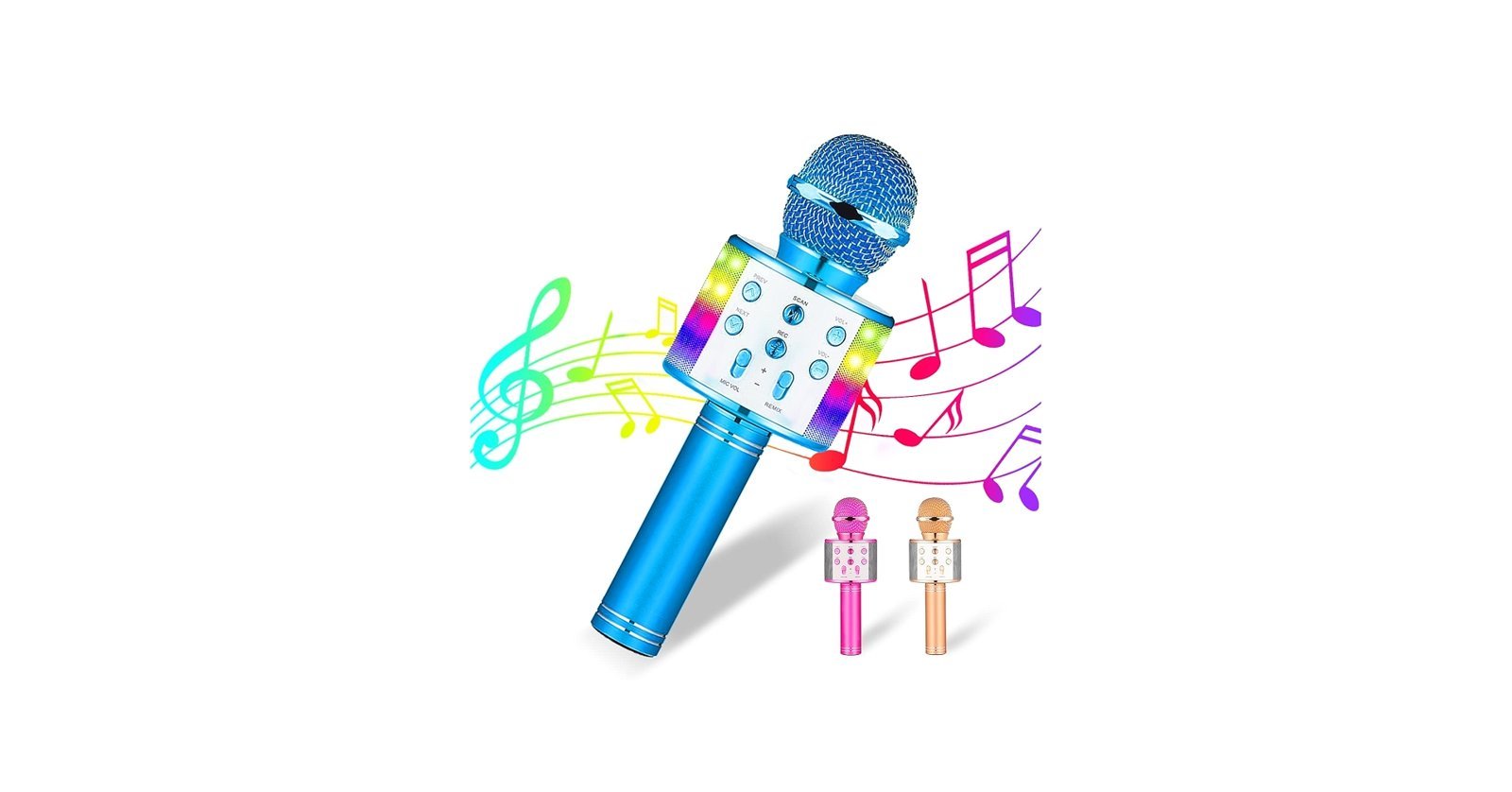
Karaoke turns a regular house party into a legendary one — but the difference between amazing karaoke and painful karaoke is the setup. The best karaoke setup for a house party balances sound quality, song selection, and simplicity, because nobody wants to troubleshoot Bluetooth pairings while guests wait.
Here are three setups at three price points, from dead-simple to genuinely impressive.
The $30 Karaoke Setup: Phone + Speaker + YouTube
The cheapest karaoke that actually works: a phone or laptop, your TV (via HDMI or casting), and YouTube. Search ‘[song name] karaoke’ — there are millions of karaoke tracks on YouTube, free, with lyrics on screen. Connect the phone to a Bluetooth speaker for sound, display lyrics on the TV, and sing into… well, that’s the limitation. No mic means it feels more like a singalong, which is honestly fine for casual parties.
Upgrade slightly with a cheap wired mic ($15-20) plugged into a small mixer or directly into some Bluetooth speakers with mic inputs. This gets you to real karaoke for under $50 total. The song selection via YouTube is unbeatable — obscure B-sides, Disney songs, current hits — all free. For parties where karaoke is a side activity rather than the main event, this is all you need.
- Phone/laptop + TV + YouTube karaoke tracks: free
- Bluetooth speaker for sound (you probably own one)
- Add a $15-20 wired mic for real karaoke feel
- Total: $0-50
The $150-200 Karaoke Setup: Wireless Mics + Speaker
For parties where karaoke IS the event: a pair of wireless microphones ($60-100 for a decent dual set — look for UHF, not VHF, for reliability) plus a PA speaker or karaoke speaker with mic inputs ($80-120). This is the setup that feels professional — no wires to trip over, mics that don’t cut out, sound that fills a room.
Run lyrics from a laptop to the TV via HDMI, audio from the mics through the speaker. Apps like KaraFun ($10/month, cancel after the party) offer tens of thousands of licensed tracks with proper vocal guides — worth it for one big night. This setup handles 20-30 guests easily and the wireless mics are the single biggest upgrade in fun-per-dollar. Wirecutter’s karaoke coverage is tested for exactly this use case.
Karaoke Software and Song Sources Compared
YouTube (free): biggest selection, variable quality, ads interrupt unless you have Premium. KaraFun ($10/mo): huge licensed library, professional quality, offline mode — the enthusiast pick. Dedicated karaoke machines ($100-300): all-in-one simplicity, but locked to their song libraries unless they support apps.
My recommendation: YouTube for casual parties, KaraFun subscription for the big event (subscribe the day before, cancel the day after). Download an offline playlist as backup — WiFi always fails at the worst moment. And make a queue system: a whiteboard or shared phone note where people add songs prevents the ‘who’s next?’ chaos that kills momentum.
Hosting Karaoke Night: Tips That Matter
Start with group songs to break the ice — ‘Bohemian Rhapsody,’ ‘Sweet Caroline,’ anything with a chorus everyone knows. The host should sing first (badly, ideally) to lower the bar. Keep a mix of eras and genres in the queue suggestions; nothing kills a party like 10 straight songs half the room doesn’t know.
Soundcheck before guests arrive: mic volume vs. music volume is the eternal battle — the vocals should sit clearly above the track. Warn the neighbors (or invite them), keep the end time reasonable, and have a movie night-style wind-down ready for after. Karaoke at 11pm is magic; karaoke at 2am is a noise complaint.
The Best Karaoke Setup for a House Party: Song Selection Strategy
The best karaoke setup for a house party means nothing without the right song strategy. Build a starter queue before guests arrive: 15-20 crowd-pleasers across eras (Bohemian Rhapsody, Sweet Caroline, Livin’ on a Prayer, Dancing Queen, Shallow) so there’s never a dead moment while people browse. Mix tempos and difficulties — follow a challenging ballad with an easy group number to keep energy up.
Read the room as the night progresses: early evening favors group singalongs and classics, late night favors current hits and liquid-courage solos. Keep a ‘banned’ list for songs that kill momentum (anything over 6 minutes, anything nobody knows). And the host’s job: keep the queue moving, hype every singer like they’re headlining, and jump in for duets when someone’s nervous. Great karaoke hosting is 20% equipment and 80% energy — the mics handle the sound, but you handle the vibe. The same hosting energy makes a movie night legendary too.
Karaoke Etiquette
The unwritten rules that keep karaoke fun: don’t hog the mic (two songs max before yielding, unless the room begs), don’t skip the queue (the list is sacred), cheer for everyone (especially the nervous first-timers — your applause is their courage), and never mock a sincere performance (ironic detachment kills the vibe faster than bad singing).
The host’s duties: keep the energy up between singers, never let dead air linger, and have a hype song ready for lulls. Duets are the social lubricant — invite the shy ones. And the golden rule: the worst singer having the best time beats the best singer showing off. Karaoke is a participation sport; the trophy goes to enthusiasm.
Karaoke Duets: The Best Format
Duets are karaoke’s perfect format: half the pressure, double the fun, and built-in chemistry. The canon: ‘Summer Nights’ (Grease), ‘Islands in the Stream,’ ‘Don’t Go Breaking My Heart,’ ‘Shallow,’ ‘A Whole New World.’ Pick your duet partner early and rehearse the harmonies (loosely — perfection isn’t the point).
The duet strategy: pair a nervous singer with a confident one — the confidence is contagious. Group numbers (‘Bohemian Rhapsody,’ ‘Sweet Caroline’) work the same magic at scale. Karaoke is fundamentally social; the solo is the exception, not the rule. Grab a partner and double the memories.
The Bottom Line
Phone + YouTube + TV works for casual fun; wireless mics + a PA speaker + KaraFun makes it an event. The best karaoke setup for a house party is the simplest one that sounds good — because the singing was never the point, the memories are.


