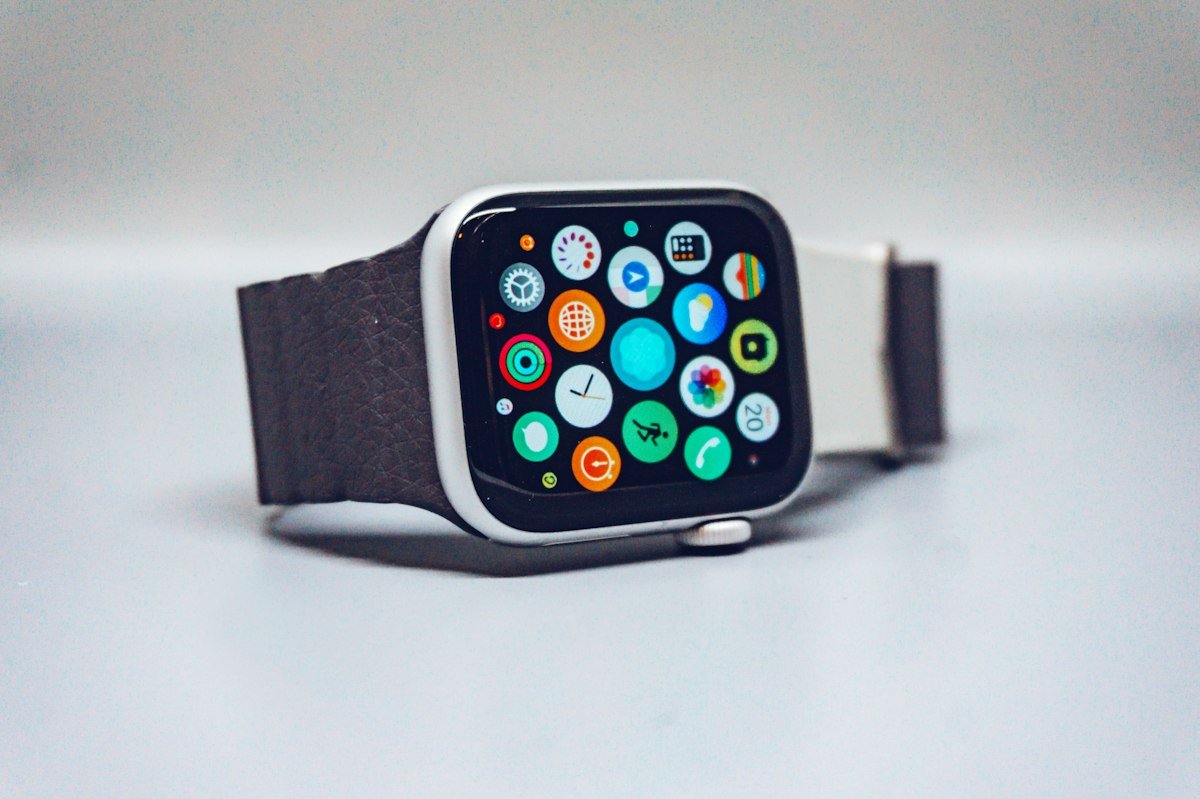
What is the best smartwatch for tracking fitness without a phone nearby? There’s a special freedom in leaving the phone at home for a run — no bouncing, no distractions, just you and the road. But not every smartwatch can actually do it: plenty of ‘fitness watches’ are just Bluetooth remotes for your phone’s GPS and music. Here’s what to buy if the phone stays home.
For true phone-free fitness, a watch needs three things: built-in GPS (so your route maps accurately), onboard music storage or streaming (so you’re not running in silence), and ideally LTE (so you can take a call or stream without the phone). Battery life for long GPS sessions is the fourth, quiet requirement.
The Top Picks
- Apple Watch Series 10 / Ultra 2 (cellular model): the best phone-free experience for iPhone users, full stop. Accurate GPS, Apple Music/Spotify offline, LTE calls and texts, and the Ultra 2’s battery survives marathons and ultra-distance days. The catch: you need the cellular model (+$100) and a carrier plan add-on (~$10/month).
- Garmin Forerunner 265 / 965: the runner’s choice. Phenomenal GPS accuracy, 10-20+ days of smartwatch battery (versus 1-2 for Apple/Samsung), onboard music, and training metrics that embarrass everything else. No LTE on most models — but Garmin’s safety features (incident detection, LiveTrack via paired… well, via phone) partly compensate. If running is the point, start here.
- Samsung Galaxy Watch 7 (LTE): the best phone-free option for Android users. Good GPS, Spotify offline, LTE calls — the full package. Battery is the weakness: heavy GPS + LTE days need nightly charging.
- Coros Pace 3: the budget dark horse (~$230). Featherlight, superb GPS, 38 hours of GPS battery life, onboard music. Fewer smart features, but as a pure phone-free training tool it’s remarkable value.
- Amazfit GTR/GTS lines: if the budget is tight ($100-200), you get built-in GPS and basic music control with excellent battery — but no LTE and no onboard streaming apps. Phone-free-ish, not phone-free.
What Matters Most (In Order)
GPS accuracy first — a watch that draws your 5K route through the river is useless. Multi-band/GNSS GPS (found in newer Garmins, Apple Watch Ultra, Galaxy Watch 7) is meaningfully better in cities and tree cover; it’s worth prioritizing if you run urban routes. Second: music. Decide whether you need Spotify/Apple Music streaming over LTE (subscription + cellular plan) or whether syncing playlists over Wi-Fi beforehand is fine — the latter works on far cheaper watches.
Third: be honest about LTE. It’s genuinely useful for safety (call for help mid-run) and for ditching the phone on errands, but it costs $10/month forever and halves battery life. Many runners buy the LTE model ‘just in case’ and never activate it — which is fine, the GPS model is cheaper. Fourth: battery. If you do 3+ hour weekend runs, Apple/Samsung’s 1-2 day batteries become a nightly-charging chore; Garmin/Coros’s week-plus batteries are liberating.
What Is the Best Smartwatch for Tracking Fitness Without a Phone Nearby? My Recommendations
iPhone owner who wants everything: Apple Watch (cellular) — seamless, polished, expensive. Serious runner of any phone: Garmin Forerunner 265 — the training data is in another league and the battery lasts weeks. Android user wanting the full smartwatch: Galaxy Watch 7 LTE. Budget-conscious: Coros Pace 3 — 90% of the training watch for half the money. Casual walker/jogger: honestly, any modern watch with built-in GPS works; don’t overbuy.
One more consideration: the ecosystem lock-in is real. An Apple Watch needs an iPhone (it won’t even set up with Android), Galaxy Watches pair best with Samsung phones, and Garmin/Polar/Coros play nice with everyone. If you’re thinking of switching phones soon, factor that in — a $400 watch locked to an ecosystem you’re leaving is an expensive paperweight.
How Accurate Is Smartwatch Fitness Tracking, Really?
Let’s set honest expectations, because marketing oversells this. GPS distance on modern watches (especially multi-band models) is accurate within 1-2% on open roads — good enough for training, not certified-course accurate. Heart rate from wrist sensors is solid for steady-state cardio (within ~5% of chest straps) but lags during intervals and struggles with certain wrist types, tattoos, and cold weather — serious interval trainers still use chest straps, and that’s fine.
Step counts are estimates with 10-20% error — fine for trends, meaningless as precise numbers. Sleep tracking is decent at duration and timing, dubious at sleep stages (no wrist device reliably distinguishes REM from light sleep; treat the pretty graphs as directional). Calorie burn estimates are the least accurate of all — studies show 20-40% errors are common. Use them for relative comparison (today vs. yesterday), never as precise fueling data.
The bottom line on accuracy: modern watches are excellent trend instruments and mediocre precision instruments. They’re perfect for ‘am I getting fitter?’ and ‘did I run farther this month?’ — the questions that actually matter. They’re not medical devices, and anyone making health decisions should treat the data as one input among many. For training purposes, consistency of measurement matters more than absolute accuracy — and that’s where wearing the same watch daily shines.
For run-day audio, most phone-free runners pair the watch with true wireless earbuds — and the same Bluetooth gremlins apply on the road, so our AirPods troubleshooting guide is worth a skim if your buds cut out mid-run. For deep accuracy comparisons between watch models, DC Rainmaker’s sports watch reviews are the gold standard: lab-tested GPS tracks and heart-rate data that no marketing sheet provides.
The Bottom Line
What is the best smartwatch for tracking fitness without a phone nearby? Apple Watch cellular for iPhone users, Garmin Forerunner for serious runners, Galaxy Watch LTE for Android, Coros Pace 3 for value. Prioritize GPS accuracy, decide if LTE is worth $10/month to you, and don’t pay for smart features you’ll never use on a run. The phone stays home; the PRs don’t.