
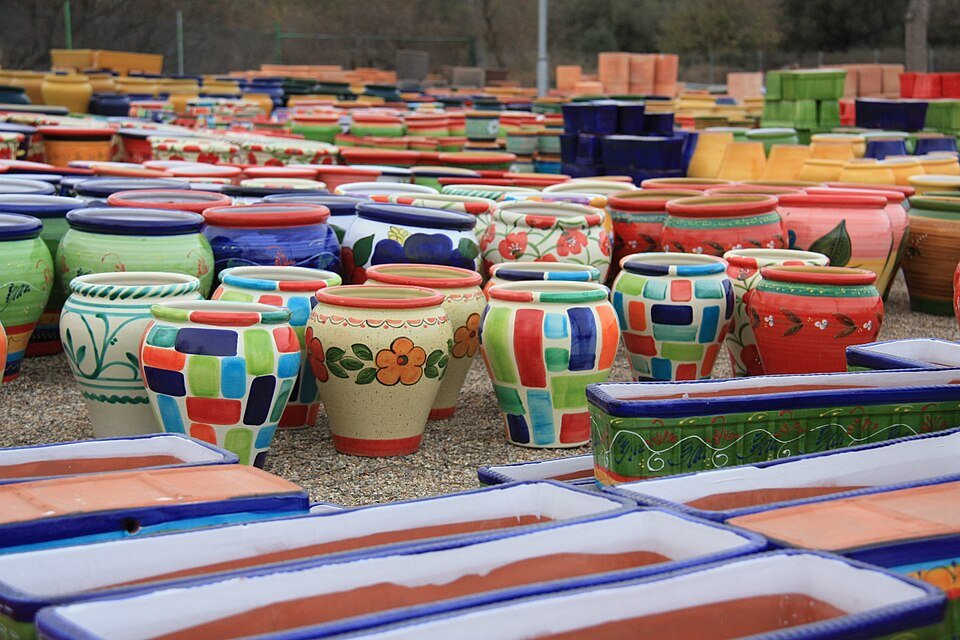
Nothing ruins the glow of a great trip like opening your suitcase to find your hand-painted ceramics in pieces. Learning what is the best way to pack fragile souvenirs for the flight home has saved me from that exact heartbreak more than once, including a very dramatic rescue of a Moroccan tagine that survived three flights.
The good news: you don’t need professional packing skills or expensive materials. You need a system, a little padding, and the discipline to pack souvenirs last, right before you zip up. Here’s the method I use, refined over many trips and a few painful lessons.
The golden rule: carry on what you can’t replace
Anything truly irreplaceable, a one-of-a-kind mask, your grandmother’s gift from a Kyoto antique shop, goes in your carry-on. Checked bags get thrown, stacked, and occasionally rained on. Carry-ons stay with you. I once watched a baggage handler toss a suitcase like a shot put, and I’ve never checked anything fragile since.
This means planning your shopping with your carry-on space in mind. Leave room deliberately. If you’re deciding between that extra sweater and space for ceramics, the ceramics win. You can buy another sweater at home.
What is the best way to pack fragile souvenirs for the flight home step by step
Start with individual wrapping. Wrap each item separately in clothing, scarves, or bubble wrap if you bought some. The enemy is items knocking against each other, so nothing fragile should touch another hard surface directly. Socks make excellent padding for small items, and dirty laundry works just as well as clean.
Next, create a padded nest in the center of your bag, surrounded on all sides by soft clothes. Place wrapped items in the middle, fill every gap with balled-up socks or underwear so nothing shifts, and finish with another clothing layer on top. Shake the bag gently. If anything moves, add more padding.
Materials worth buying on the road
You don’t need a packing store. In most tourist towns you can buy a meter of bubble wrap at a stationery shop or market for pocket change. Packing tape is sold everywhere. I’ve also bought cheap foam sheets from craft stalls in Mexico and Turkey that worked brilliantly as dividers between plates.
For wine bottles and olive oil, ask the shop for a protective sleeve. Many souvenir shops that sell liquids stock cardboard bottle boxes or inflatable sleeves because broken bottles are bad for their reviews too. It never hurts to ask, and it’s often free.
Plates, ceramics, and the really awkward shapes
Plates travel best stacked vertically, like records, with padding between each one, rather than flat. Flat stacks concentrate pressure on the bottom plate. Cardboard dividers or even paper plates between real plates absorb shock beautifully.
For hollow items like vases and tagines, stuff the inside with socks or scarves. An empty vase is a fragile shell; a stuffed one is surprisingly sturdy. Lids should be wrapped separately and packed beside, not on top of, the base. And anything with handles gets extra padding around the handle, since that’s always the first thing to snap.
Packing tricks from frequent souvenir haulers
- Use your shoes as containers: Small fragile items fit perfectly inside shoes, which are already rigid. Wrap the item, drop it in, and you’ve used dead space brilliantly.
- Double-bag anything liquid: Olive oil, wine, perfume, all go in sealed plastic bags before wrapping. A leak contained is a nuisance; a leak spread through your suitcase is a disaster.
- Photograph valuables before packing: A quick photo of each fragile item helps with travel insurance claims if the worst happens, and it takes ten seconds.
- Keep receipts accessible: Customs sometimes asks about the value of goods. Having receipts in your carry-on speeds things up and supports insurance claims.
- Pack a foldable duffel: A packable duffel weighs nothing and gives you a backup bag if souvenirs overflow. Gate-check it or use it as your personal item.
- Label the bag: A simple FRAGILE tag won’t guarantee gentle handling, but combined with a hard-shell suitcase it can’t hurt. Hope for the best, pack for the worst.
Common packing mistakes to avoid
- Wrapping items together: Two ceramics wrapped as one bundle will chip each other. Always wrap separately, no matter how rushed you are.
- Leaving empty space: Movement causes breakage. Fill every gap, even if it means unpacking and repacking once more.
- Putting fragiles near the wheels: The wheel end of a suitcase takes the hardest knocks. Keep your padded nest in the center, away from wheels and handles.
- Forgetting about temperature: Chocolate, candles, and some cosmetics melt in hot cargo holds. Carry those on or accept the risk.
- Overstuffing the bag: Pressure from a bulging suitcase cracks ceramics as surely as a drop. If it barely zips, repack.
Packing fragile souvenirs: your questions answered
Should I pack souvenirs in checked or carry-on luggage?
Carry on anything irreplaceable. Checked bags get thrown and stacked, and no amount of padding fully protects against that. Use checked luggage for sturdy items surrounded by clothes, and keep the one-of-a-kind pieces with you in the cabin.
What’s the best padding material for fragile items?
Your own clothes. Socks, scarves, and sweaters make excellent free padding. For extra protection, buy a meter of bubble wrap at a local stationery shop for pocket change. Wrap each item individually so nothing hard touches anything else.
How do I pack wine bottles safely?
Ask the shop for a bottle box or inflatable sleeve; sellers of liquids usually have them. Then double-bag in sealed plastic in case of leaks, wrap in clothes, and pack upright in the center of your suitcase. Never check wine without a proper protective sleeve.
Will travel insurance cover broken souvenirs?
Sometimes, if you have baggage coverage and receipts. Photograph valuables before packing and keep receipts accessible in your carry-on. Claims need documentation, so the ten seconds of photography is worth it. Check your policy’s fragile-item exclusions before assuming coverage.
Can I ship souvenirs home instead of flying with them?
Often yes, and it’s smart for large or very fragile pieces. Many souvenir shops ship internationally, and local post offices sell protective packaging. Compare shipping costs against airline baggage fees; sometimes shipping is cheaper and far less stressful than nursing ceramics through connections.
The bottom line
Carry on the irreplaceable, wrap everything individually, nest it all in the center of your bag with zero empty space, and double-bag liquids. It’s not glamorous, but this system has gotten my souvenirs home intact across dozens of trips. Your future self, unpacking in one piece, will thank you. Related reading: best time to book holiday flights to save money and traveling with a baby on a long flight without stress. The TSA’s packing tips has authoritative detail on this topic.


