Shrimp goes from perfect to rubbery in under a minute — it’s one of the least forgiving proteins in the kitchen. The best way to cook shrimp without overcooking it isn’t a fancy technique; it’s knowing the visual cues and pulling them off the heat early, because carryover cooking finishes the job.
I cook shrimp constantly in summer, and once you learn to read the signs, you’ll never serve a bouncy shrimp again. Here are the three methods plus the brining trick that gives you insurance.
How to Tell When Shrimp Are Done
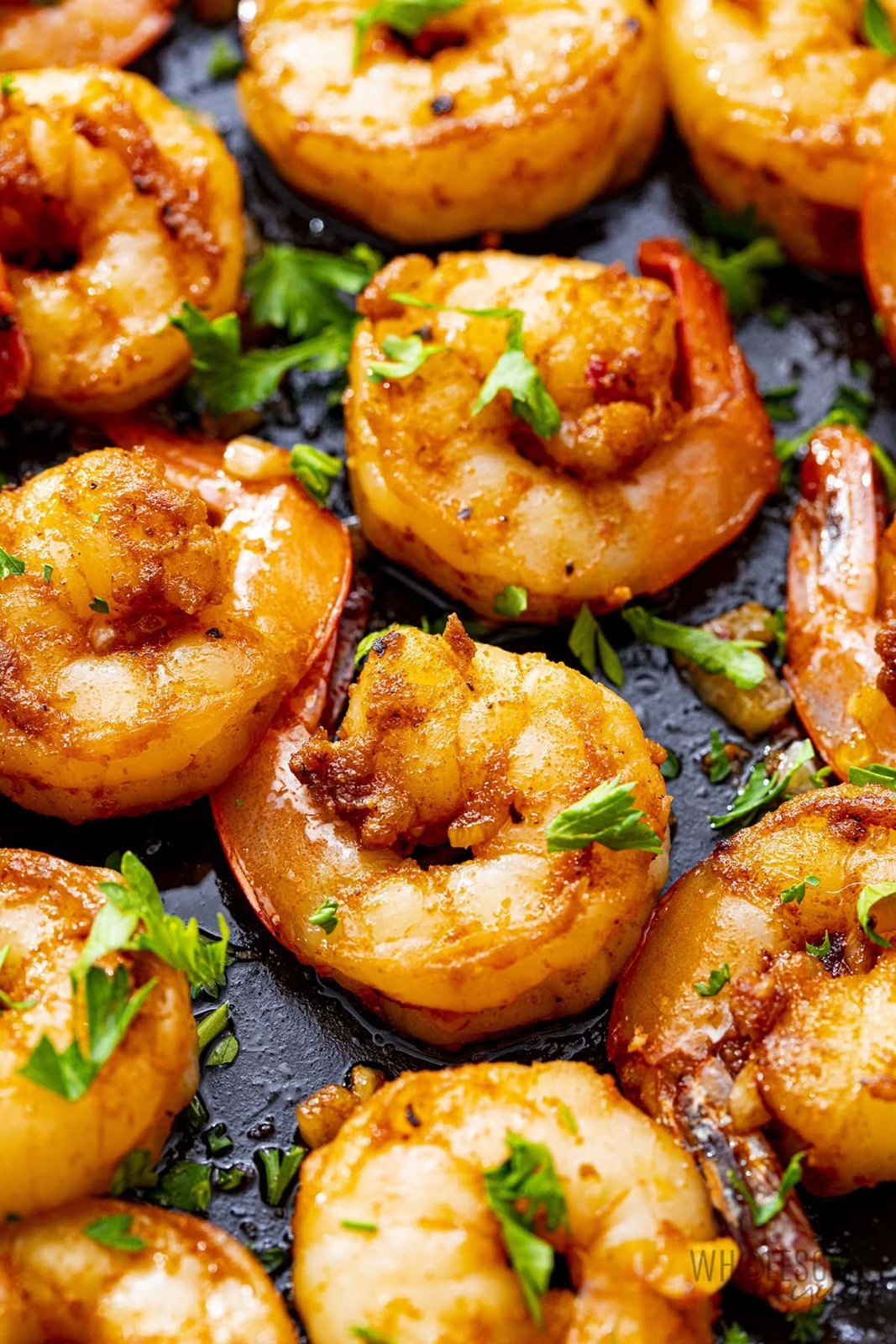
Forget the clock as your primary guide and watch the shrimp: raw shrimp are gray and translucent; perfectly cooked shrimp are pink, opaque, and curled into a loose C shape. The moment they curl into a tight O, they’re overcooked — that’s the visual mnemonic chefs use: C is for cooked, O is for overcooked. Pull them at the C stage, even if they look a touch underdone in the center, because residual heat finishes them in the next minute.
Size matters enormously for timing: tiny salad shrimp need 1 to 2 minutes, medium shrimp 2 to 3, and jumbo shrimp 3 to 4. Always thaw frozen shrimp fully first — cooking from frozen steams the outside while the inside stays raw. Thaw overnight in the fridge or in a bowl of cold water for 20 minutes, then pat dry. Wet shrimp steam instead of sear, the same principle behind crispy salmon skin.
Sautéing Shrimp: The Fastest Method
Heat a large skillet over medium-high with olive oil or butter until shimmering. Add shrimp in a single layer — crowding drops the temperature and steams them — season with salt, pepper, and garlic, and cook 1.5 to 2 minutes per side for large shrimp. They should be pink with lightly golden spots. Finish with lemon juice and parsley off the heat.
The single layer is non-negotiable; cook in batches if needed. And have everything prepped before the shrimp hit the pan, because there’s no time to chop garlic once they start cooking — the whole process takes under 5 minutes. This speed is why shrimp scampi is a weeknight hero: garlic, butter, white wine (a cheap Pinot Grigio is perfect), lemon, done.
- Thaw fully and pat dry before cooking
- Single layer, medium-high heat, 1.5-2 min per side (large)
- Pull at the loose ‘C’ shape — never the tight ‘O’
- Carryover heat finishes them; when in doubt, pull early
Grilling and Boiling Shrimp
For grilling, skewer the shrimp (two skewers per row keeps them from spinning) or use a grill basket, oil the grates well, and grill over medium-high for 2 to 3 minutes per side. A quick marinade of olive oil, garlic, and lemon for 15 to 30 minutes beforehand adds flavor — but keep it short, because acid ‘cooks’ shrimp fast, the same caution in my chicken marinade guide.
For shrimp cocktail, boiling is traditional: bring well-salted water (plus lemon halves and bay leaves) to a boil, add shrimp, and cook just until pink — 2 to 3 minutes for large. Drain immediately and shock in ice water to stop the cooking; this is essential for cold shrimp since there’s no carryover forgiveness when they’re served chilled. The FDA’s seafood safety guidance recommends cooking shrimp to 145°F, which corresponds to opaque and firm.
The Brining Trick for Juicier Shrimp
Here’s your insurance policy: brine the shrimp for 15 to 30 minutes in a solution of 1 quart cold water plus 1/4 cup salt and 2 tablespoons sugar. The salt seasons the shrimp throughout and helps the proteins retain moisture, giving you a wider margin before they turn rubbery. Rinse and pat dry before cooking.
This is especially valuable for grilling, where the intense heat punishes mistakes. Brined shrimp stay plump and juicy even if you overshoot by 30 seconds. It’s a small step that makes shrimp nearly foolproof — and once you’ve had brined shrimp, unbrined ones taste underseasoned by comparison.
Buying Tips to Cook Shrimp Without Overcooking It
The best way to cook shrimp without overcooking it starts at the store. Buy shell-on shrimp when you can — the shells protect the meat during cooking, giving you a wider margin before they overcook, and they make incredible stock afterward. Size matters: larger shrimp (16-20 count per pound) are more forgiving than tiny ones because they cook slower; tiny shrimp go from raw to rubber in 60 seconds flat.
Frozen shrimp is often better than ‘fresh’ — most shrimp is frozen on the boat, so the fresh-looking shrimp at the counter is usually just thawed frozen shrimp marked up. Buy frozen, thaw it yourself, and you control the quality. Look for shrimp without added sodium tripolyphosphate (it makes them spongy and waterlogged) — the ingredients should just say ‘shrimp.’ Devein before cooking (the dark vein is the digestive tract — harmless but gritty), and you’re set. Good shrimp, handled right from purchase, practically cooks itself — the C-shape rule does the rest.
Shrimp Scampi in 15 Minutes
The ultimate weeknight application: shrimp scampi. Sauté 4 minced garlic cloves in butter and olive oil for 1 minute, add a pound of shrimp in a single layer, cook 2 minutes per side until C-shaped and pink, then deglaze with half a cup of white wine and a squeeze of lemon. Toss with cooked linguine, parsley, and red pepper flakes. Fifteen minutes, one pan (plus the pasta pot), restaurant-quality.
The keys are the same as ever: dry shrimp, hot pan, single layer, pull early. The wine deglaze lifts the browned garlic bits into a sauce that coats the pasta — and a splash of that starchy pasta water emulsifies it glossy. Serve with crusty bread for the sauce and a simple salad. It’s the dish that proves fast food can be real food: 15 minutes from fridge to table, and nobody would guess it was a Tuesday.
The Bottom Line
Watch for the C-shape, pull early, never crowd the pan, and brine for insurance. That’s the best way to cook shrimp without overcooking it — pink, plump, and snappy instead of rubbery, every time.