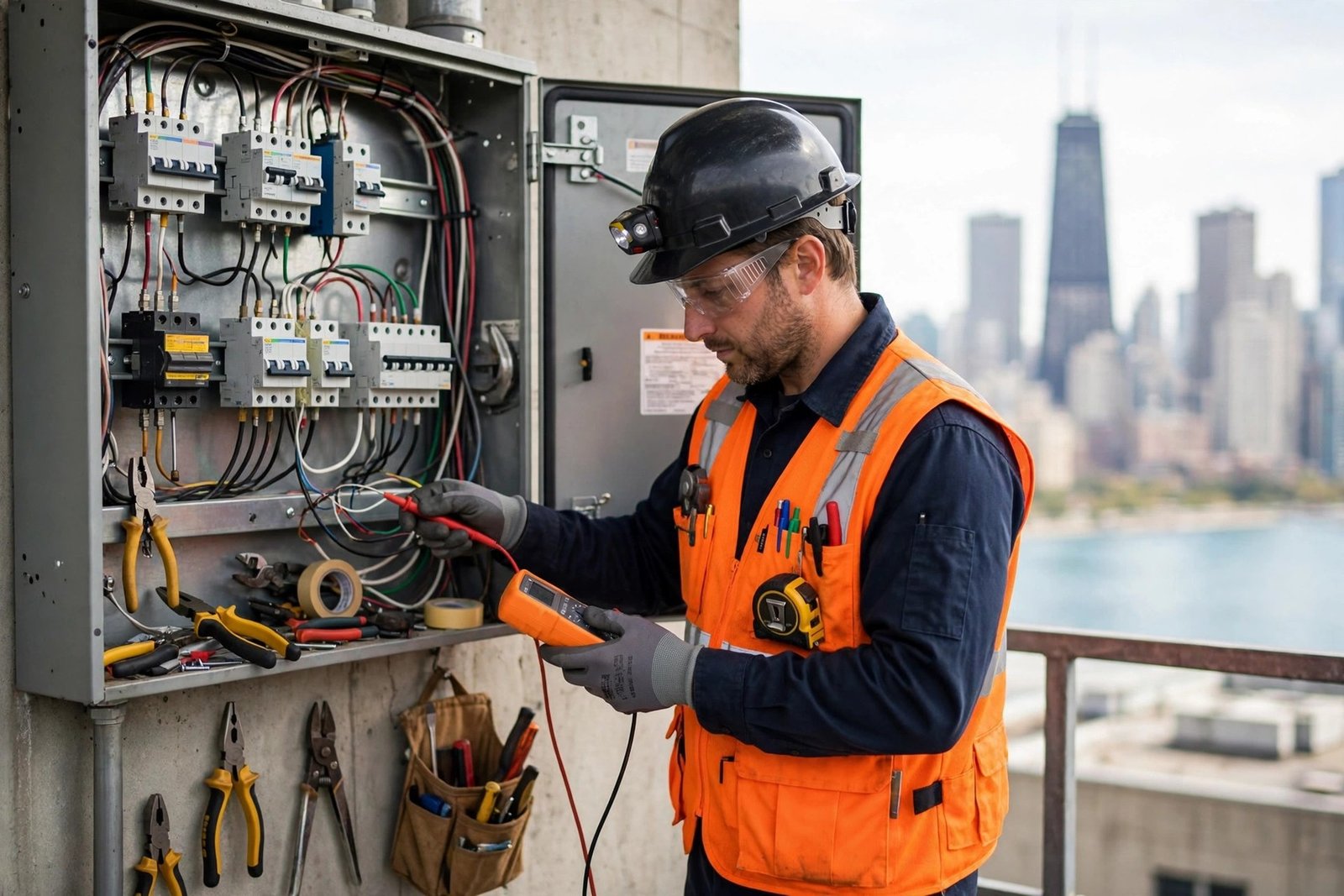
The idea that a four-year degree is the only ticket to a comfortable salary is one of the most persistent myths in the American job market — and in Chicago, it is easier to disprove than almost anywhere else. Between the city’s unionized trades, its massive logistics and healthcare sectors, and employers who increasingly hire on skills rather than credentials, there are real six-figure paths that never require a lecture hall. Here is an honest look at the highest-paying jobs in Chicago that do not need a bachelor’s degree, what they actually pay, and what it takes to get in.
First, a Reality Check on the Numbers
When we say “highest-paying,” we mean it relative to solid, verifiable data — primarily the U.S. Bureau of Labor Statistics Occupational Employment figures for the Chicago metro area, plus union wage scales where relevant. Chicago wages run slightly above the national average for skilled trades thanks to strong unions and a high cost of living that pushes pay up. Every role below lists realistic Chicago-area pay, not a cherry-picked national outlier.
Skilled Trades: The Six-Figure Backbone
Electricians
Licensed electricians in the Chicago area earn a median of roughly $75,000–$85,000, with experienced journeymen at union shops clearing $100,000+ with overtime. The path runs through a 4–5 year apprenticeship — often through IBEW Local 134, one of the strongest electrical unions in the country — where you earn while you learn. No degree required; a high school diploma, algebra skills, and passing an aptitude test get you in the door.
Elevator installers and repairers
This is the highest-paid trade almost nobody talks about. National median pay exceeds $100,000, and Chicago’s forest of high-rises keeps Local 2 elevator constructors busy. It is competitive to enter and physically demanding, but the compensation reflects that.
Plumbers, pipefitters, and HVAC technicians
Chicago plumbers earn a median around $70,000–$80,000, with union journeymen higher. HVAC techs start lower (around $55,000–$60,000) but experienced technicians who handle commercial systems do very well. Both trades are aging — the average skilled tradesperson is nearing retirement — which means demand for new entrants is structurally strong, not cyclical.
Public Safety and Infrastructure
Police officers and firefighters
Chicago police officers start around $70,000+ after the academy and can exceed $100,000 with overtime and seniority; Chicago firefighters follow a similar scale. Neither requires a degree to apply (a high school diploma or GED plus academy training does it), though the hiring process is long and competitive. Pensions and benefits add significant total-compensation value that private-sector salaries often lack.
Commercial drivers and logistics
Chicago is the freight capital of North America — the rail and trucking hub where the country’s supply chains converge. Experienced CDL-A truck drivers, especially in specialized hauling, earn $70,000–$90,000. Intermodal and rail-adjacent logistics roles at the big yards pay well too, and the barrier to entry is a commercial license, not a diploma.
Tech and Sales Without the Degree
Web developers and IT support specialists
Tech is the field where the degree matters least and the portfolio matters most. Self-taught and bootcamp-trained developers in Chicago land junior roles at $65,000–$80,000, with experienced developers well into six figures. Employers increasingly use skills-based screening, which is part of why resources on how job seekers use AI to improve resumes emphasize project-based bullet points over education sections.
Sales representatives
B2B sales — medical devices, software, industrial equipment — is one of the few fields where top performers without degrees routinely out-earn college graduates. Base salaries of $55,000–$70,000 plus commission put total compensation at $90,000–$130,000+ for strong performers. Chicago’s concentration of corporate headquarters means these roles are plentiful here.
Healthcare Support Roles
Radiologic technologists, dental hygienists, and respiratory therapists
These roles need an associate degree or certificate — not a bachelor’s — and pay $65,000–$90,000 in the Chicago market. With massive systems like Northwestern Medicine, Advocate, and Rush hiring constantly, healthcare support is one of the most reliable no-bachelor’s paths in the city. Programs at City Colleges of Chicago make the training affordable, and clinical rotations often convert directly into job offers.
Licensed practical nurses (LPNs)
LPN programs take about a year and Chicago-area LPNs earn roughly $60,000–$70,000, with clear pathways to bridge into registered nursing later while working. For someone who wants healthcare pay without a four-year commitment upfront, it is one of the fastest legitimate routes.
What It Actually Takes to Break In
One practical tip: talk to people already doing the job before you commit. A Saturday ride-along with an electrician or a shift shadowing a nurse tells you more about the day-to-day reality than any salary table, and Chicago union halls and hospitals both welcome serious inquiries from prospective applicants.
Every path above has a real barrier — it is just not a degree. For trades, it is the apprenticeship application and aptitude test. For public safety, it is the civil service exam and background process. For tech, it is a portfolio of real work. For sales, it is surviving the first brutal year. Be skeptical of any program promising six figures in twelve weeks with no effort; the legitimate paths all involve 1–4 years of structured training or grinding. The U.S. Department of Labor’s apprenticeship finder is the best starting point for verifying that a trade program is legitimate before you commit time or money.
Also worth noting: many of these careers reward the same skills that make freelancers successful — self-direction, client management, and reputation. If you are weighing employment against independence, it is worth reading about whether starting a side hustle while working full-time is worth it, since several trades lend themselves naturally to side work that becomes a business.
The Bottom Line
A degree is a tool, not a destiny. In Chicago’s 2026 job market, licensed electricians, elevator constructors, police officers, experienced developers, and top salespeople all earn what many bachelor’s-degree holders earn — sometimes more, often with less debt and earlier career starts. The common thread is not the credential; it is two to four years of deliberate skill-building in a field with structural demand. Pick the path whose day-to-day work you can actually stand, verify the training is legitimate through official channels, and commit fully. The paycheck follows the skill, not the diploma.
Frequently Asked Questions
What is the highest-paying job in Chicago that needs no degree at all?
Elevator installers and repairers top the list, with experienced Chicago-area workers earning $100,000+. Air traffic controllers also pay extremely well but require completing the FAA academy process, which is highly selective and has strict age limits for entry.
Can I really become a web developer without a degree in Chicago?
Yes — Chicago employers from startups to enterprises hire bootcamp graduates and self-taught developers based on portfolios and technical interviews. The degree helps with some large employers’ HR filters, but project work and referrals matter more in practice.
How long does an electrician apprenticeship take in Chicago?
Typically four to five years through IBEW Local 134, combining paid on-the-job training with classroom instruction. Apprentices earn a percentage of journeyman wages that rises each year, so you are paid throughout.
Are trade jobs at risk from automation?
Far less than desk work. According to analyses of automation risk, including data referenced by the Bureau of Labor Statistics, hands-on trades involving unpredictable physical environments are among the hardest jobs to automate — which is part of why wages keep rising as workers retire.