If you’ve been Googling how can i make my small apartment feel bigger on a budget, you’re probably drowning in generic advice by now. I get it. Most articles on this either read like a textbook or try to sell you something. This one won’t. I’ve pulled together what actually matters, based on real experience and solid sources, so you can make a decision and move on with your day.
I’ve organized this guide the way I’d explain it to a friend: first the straight answers, then the practical moves that make the biggest difference, then the traps to avoid. By the end, you’ll have a clear picture and a short action list — not a vague sense of ‘I should do something about this someday.’
Let’s start with the fundamentals, because getting these right makes everything else easier.
How can I make my small apartment feel bigger on a budget: What You Should Actually Know
Quick reality check: nobody notices your clothes as much as you think they do — but everyone registers the overall impression. That’s liberating. It means make my small apartment feel bigger on a budget isn’t about impressing anyone; it’s about feeling put-together yourself. Dress for that feeling and you can’t go far wrong.
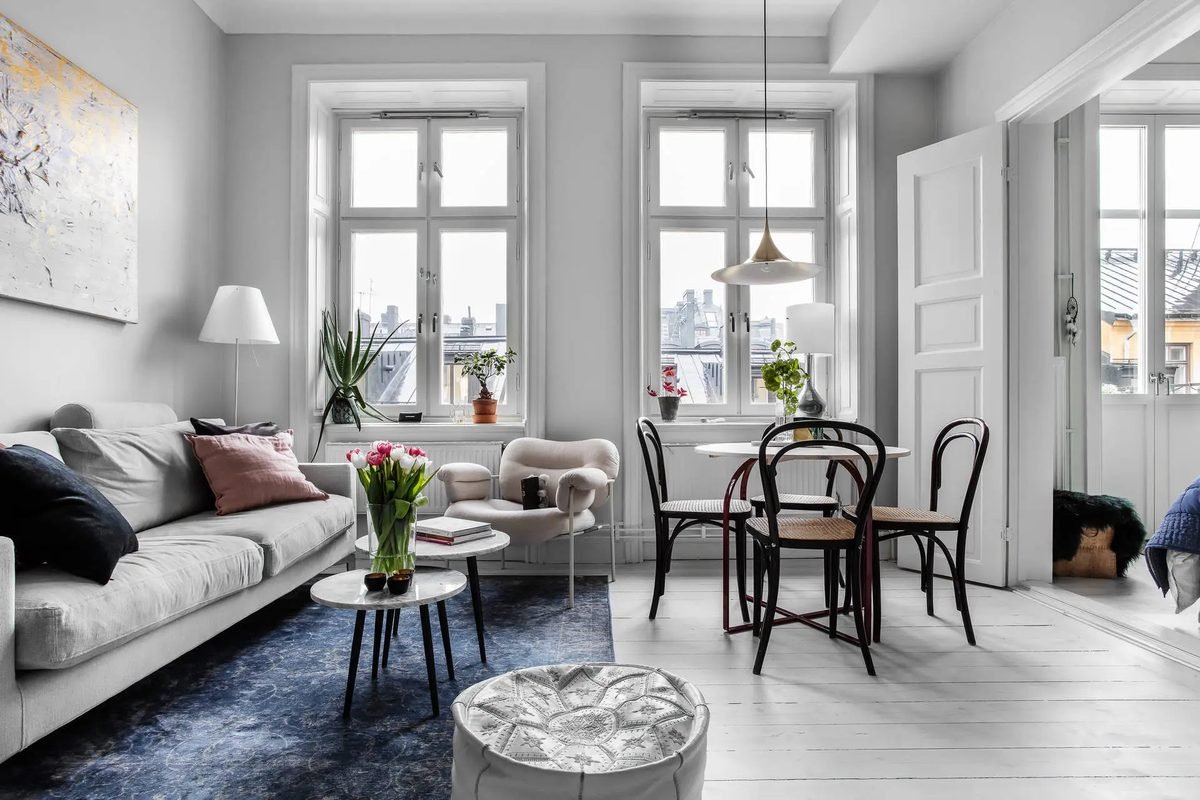
Making a small apartment feel bigger on a budget is mostly about light, sightlines, and visual calm: light wall colors, mirrors opposite windows, raised furniture legs (seeing floor underneath tricks the eye), and ruthless decluttering. I made a 400-square-foot studio feel twice its size with these moves for under $100.
Mirrors are the highest-ROI trick — a large mirror opposite a window doubles light and creates the illusion of another room. Thrift stores sell big mirrors for $10-$20; it’s the cheapest square footage you’ll ever ‘add.’
For the bigger picture, Consumer Reports is worth a look — it backs up a lot of what I cover here.
Visual clutter shrinks rooms faster than actual stuff does. Closed storage, matching containers, and clear surfaces make the same apartment feel dramatically larger — the eye reads calm as spacious.
What Actually Moves the Needle
Now for the practical side — the specific things you can do this week that will make a noticeable difference.
- Hang a large mirror opposite the biggest window.
- Choose furniture with visible legs to show more floor.
- Use light colors on walls and large textiles.
- Declutter surfaces — visual calm reads as space.
- Use vertical storage to free up floor area.
- Keep window treatments light and mounted high and wide.
If this topic clicked for you, you’ll probably also get a lot out of our guide to How do I style oversized sweaters without looking sloppy, our guide to How can I build a capsule wardrobe on a tight budget, and our guide to What are the most flattering jeans for curvy body types — they cover the adjacent questions people ask next.
Small Tweaks That Add Up Fast
Pull furniture a few inches off the walls — counterintuitively, it makes rooms feel larger than pushing everything flat against the wall. The shadow gaps create depth the eye reads as space.
And the meta-lesson: the best style trick is the one you’ll actually use. Don’t adopt my specific habit if it clashes with your life — steal the principle. Remove friction from good choices, and looking put-together stops requiring effort.
One more resource I trust on this: Good On You’s brand ratings.
Mistakes Worth Avoiding
Honest mistakes, all of them — but each one costs you time, money, or results. Here’s what to watch for.
- Dark, heavy curtains that eat light and shrink windows visually.
- Bulky furniture that blocks sightlines across the room.
- Too many small decorations creating visual noise.
Your First-Week Action Plan
Reading is nice; doing is better. Here’s a dead-simple seven-day ramp built from the tips above — no overwhelm, just one layer at a time. Each step takes minutes, not hours; the whole point is that a busy person can actually finish this.
- Day 1: Hang a large mirror opposite the biggest window. Get this handled first — it’s the foundation everything else builds on.
- Days 2–3: Choose furniture with visible legs to show more floor. Give yourself a couple of days to make this feel normal.
- Day 4: Use light colors on walls and large textiles. The basics are rolling now; time to add this next layer.
- Days 5–6: Declutter surfaces — visual calm reads as space. You’re in the groove — this is where momentum starts compounding.
- Day 7: Use vertical storage to free up floor area. End the week by locking in this last piece, then run the whole week back.
If I had to name one underrated lever, it’s the tailor. A $15–$25 alteration transforms off-the-rack into made-for-you, and it costs less than most impulse purchases. Find a good local tailor once, and every future purchase gets better.
Quick Questions, Honest Answers
How much should I budget for make my small apartment feel bigger on a budget?
Less than you think, if you shop strategically. Start with what you own, fill gaps secondhand, and spend real money only on high cost-per-wear pieces. Most people overspend on trends and underspend on the basics they’ll wear daily.
How do I know if something actually suits me with make my small apartment feel bigger on a budget?
Fit and comfort are the tell — if you’re tugging, adjusting, or can’t wait to take it off, it’s wrong regardless of how it looked on the hanger. Photograph yourself in it; the camera is more honest than the mirror.
Can I pull this off on a tight budget with make my small apartment feel bigger on a budget?
Absolutely — budget constraints often produce better style, because they force intention. Thrift stores, clothing swaps, and restyling what you own cover most needs. The expensive-looking part is fit and grooming, and both are cheap.
The Bottom Line
If you take one thing from this guide, let it be this: make my small apartment feel bigger on a budget is simpler than it looks once you ignore the hype. Focus on the fundamentals, avoid the common traps, and trust the process. It works — I’ve seen it work too many times to doubt it.