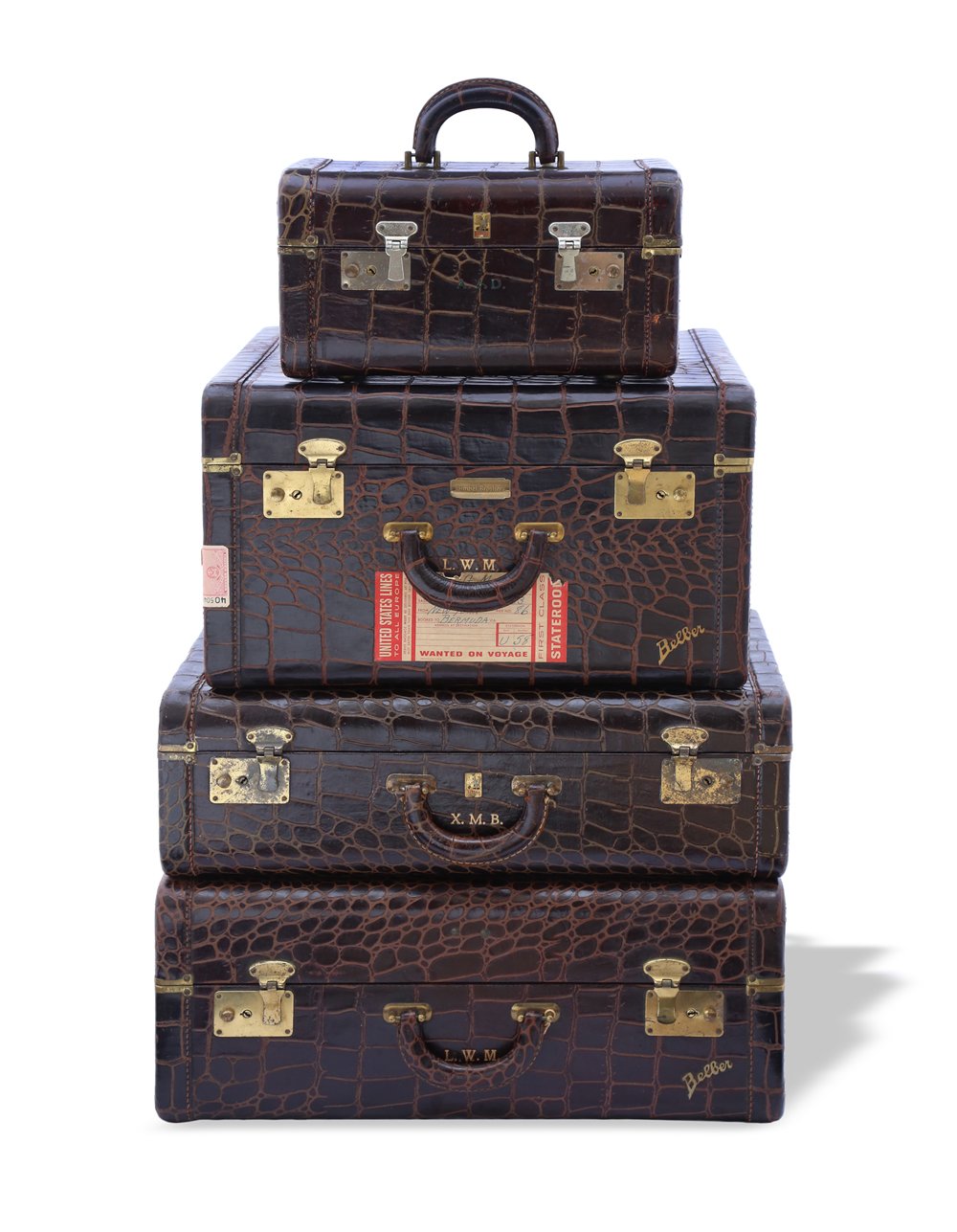
What is the best luggage for frequent international travelers? After years of watching road warriors’ bags survive (or disintegrate), the answer comes down to: a carry-on that fits every airline’s sizer, wheels and handles that survive thousands of miles, and a warranty from a company that actually honors it. The “best” bag is the one that’s still rolling smoothly in year five. Here’s what frequent international travelers actually need — and the features worth paying for.
The carry-on: your primary bag
Frequent international travelers live out of carry-ons (How can I travel with just a carry-on for two weeks for the packing method) — checked bags are for relocations, not trips. What matters:
- Size: the international standard. 21–22″ x 14″ x 9″ (55 x 35 x 23 cm) — fits US carriers and stricter international/regional airlines. The 22″ US-max bags get gate-checked on European and Asian budget carriers. When in doubt, go slightly smaller.
- Wheels: four spinner wheels, quality ones. Spinners (360°) beat two-wheel rollers for airports — maneuverable in crowds, easier on the body. But cheap spinners break; look for smooth, replaceable wheels. Hinomoto wheels (Japanese-made) are the gold standard many premium brands use.
- Handle: sturdy, multi-stop, wobble-free. Extend it fully and push — wobble now means failure later. Aluminum beats plastic.
- Hard vs. soft: hard-shell (polycarbonate) protects better and shrugs off rain; soft-side (ballistic nylon) flexes into tight sizers and has exterior pockets. Frequent travelers split evenly — pick by priority: protection (hard) vs. flexibility (soft).
- Weight matters. Every pound of bag is a pound less of stuff (and budget airlines weigh carry-ons — 7–10 kg limits are real). Under 7 lbs (3.2 kg) empty is the target.
The checked bag (for when you must)
- Medium checked (25–27″). The sweet spot — big enough for two weeks (How can I travel with just a carry-on for two weeks‘s method scales up), small enough to lift and maneuver. Larger bags invite overweight fees and hernias.
- Durability over features. Checked bags take abuse — prioritize shell/handle/wheel strength and a great warranty over organizer pockets.
- TSA-approved lock built in or a separate TSA lock — international travel means inspections; non-TSA locks get cut.
- Distinctive but not flashy. A colored strap or unique tag — identifiable on the carousel without advertising value to thieves.
The personal item (the secret weapon)
Frequent travelers’ real MVP: a backpack or tote that fits under the seat but holds the essentials — laptop, documents, meds, a change of clothes (the delayed-luggage survival kit), snacks. Backpack beats tote for mobility. Look for: laptop compartment, luggage-sleeve (slides over the carry-on handle — non-negotiable for airport sanity), and water-bottle pocket.
Features worth paying for
- Lifetime warranty from a real company. Briggs & Riley (lifetime, no-questions — the frequent-flyer favorite), Osprey (lifetime, legendary service), Away (lifetime on shells). A $300 bag with a lifetime warranty beats a $150 bag replaced twice.
- Replaceable parts. Wheels, handles, zippers — if the company sells replacements, the bag is designed to last.
- Quality zippers (YKK or similar). Zipper failure is the #1 luggage death. Test them — smooth, chunky, self-repairing coil zippers.
- Compression system. Interior straps or compression panels keep contents stable — less wrinkling, easier packing.
- Expandable (with caution). Nice for the return trip’s souvenirs; dangerous because “expanded” often exceeds sizer limits. Use going home, not going out.
Features NOT worth paying for
Built-in USB batteries (airline regulations make them a hassle — carry a separate power bank), GPS trackers (an AirTag in the pocket does it better and cheaper), “smart” locks with apps (complexity that fails), and designer branding (you’re paying for the logo, not the wheels). Also: hard-shell bags with too many compartments — organization is for packing cubes, not the bag.
The frequent traveler’s kit (beyond the bag)
- Packing cubes. Organization + compression. The single best luggage accessory.
- AirTag / Tile. In every bag. The peace of mind per dollar is unmatched — and it actually helps recover lost bags.
- Luggage scale. $10, prevents $100 overweight fees. Weigh before the airport, not at the counter.
- Cable organizer + universal adapter. (See How do I avoid roaming charges when traveling internationally for the connectivity side.)
- A packable duffel. Folds to nothing, deploys for the return trip’s overflow or as a laundry bag during the trip.
What the road warriors actually buy
The consensus among frequent international travelers clusters around: Briggs & Riley Baseline (lifetime warranty, bombproof, the “buy it for life” choice), Away Carry-On (good design, lifetime shell warranty, popular for a reason), Osprey (for the backpack-first travelers — lifetime warranty, expedition-tough), and Travelpro (the crew favorite — designed for people who fly 200 days a year). Wirecutter’s luggage reviews test these head-to-head with lab and travel testing — worth reading before a $300 decision.
The minimalist travel kit (for the carry-on purist)
If How can I travel with just a carry-on for two weeks‘s carry-on method is your religion, your luggage is the kit: one international-size spinner, one personal-item backpack, packing cubes, done. The minimalist’s edge: merino everything (shirts, underwear, socks — odor-resistant for multiple wears, which halves the clothes you pack), solid toiletries (shampoo bars, solid deodorant — no liquid limits, no leaks), and dual-purpose everything (the jacket that is also the pillow, the scarf that is also the blanket, the shoes that work for dinner and walking).
The philosophy: every item must earn its place by being used constantly or being irreplaceable. The test is the unpacking audit — after each trip, note what you did not touch. If the same item goes unused two trips running, it leaves the kit permanently. Minimalist packers converge on nearly identical kits over time, because the optimal set is discoverable: it is the intersection of “what I actually use” and “what I cannot buy there.” Start with the full kit above, audit ruthlessly, and within three trips you will have your personal perfect system — probably 30% smaller than where you started.
Further reading: luggage reviews from Wirecutter.
Takeaway: Frequent international travelers need an international-sized carry-on (21–22″) with quality spinner wheels and a wobble-free handle, a medium checked bag for when it’s unavoidable, and a personal-item backpack with a luggage sleeve — all backed by lifetime warranties from companies like Briggs & Riley, Osprey, or Away. Prioritize wheels, handle, zippers, and warranty over gimmicks; add an AirTag, packing cubes, and a luggage scale. Buy once, cry once — the right bag amortizes over hundreds of flights.