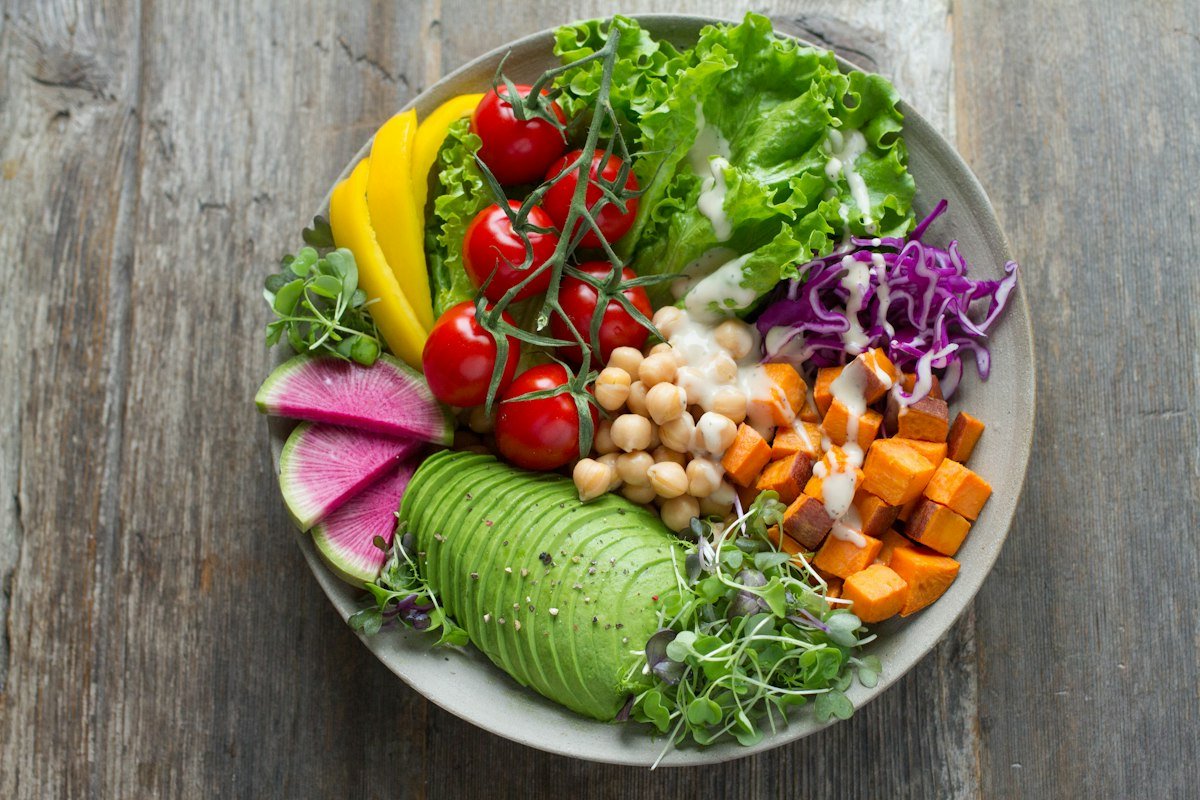
Bloating after meals, unpredictable digestion, that heavy sluggish feeling — gut issues are incredibly common and incredibly annoying. And the science is increasingly clear: your gut microbiome affects far more than digestion, from immunity to mood. So what are the best foods to eat for better gut health? Fermented foods, fiber-rich plants, and a diverse range of whole foods — feeding the trillions of beneficial bacteria in your digestive tract. Here’s the practical grocery list.
Why Gut Health Matters (Beyond Digestion)
Your gut houses roughly 70% of your immune system and produces many of the neurotransmitters affecting mood — the “gut-brain axis” isn’t wellness fluff, it’s active research. A diverse, well-fed microbiome is associated with better digestion, stronger immunity, reduced inflammation, and even better mental health. The fastest way to improve it: feed it what it likes, consistently. No expensive supplements required.
The Best Foods for Gut Health
Fermented foods (the all-stars)
These deliver live beneficial bacteria directly:
- Yogurt and kefir: look for “live and active cultures” on the label. Kefir typically contains more diverse strains than yogurt.
- Sauerkraut and kimchi: unpasteurized/refrigerated versions contain live cultures (shelf-stable canned versions don’t).
- Miso, tempeh: fermented soy products with gut-friendly bacteria.
- Kombucha: fine in moderation; watch the sugar content, which varies wildly by brand.
A Stanford study found that a diet high in fermented foods increased microbiome diversity and calmed markers of inflammation — one of the strongest dietary findings in recent gut research.
Fiber-rich foods (the fuel)
Fiber is what your good bacteria eat. Most Americans get half the recommended amount:
- Legumes: lentils, chickpeas, black beans — the fiber champions. Start slowly if you’re not used to them.
- Whole grains: oats, barley, quinoa, brown rice.
- Vegetables: especially artichokes, asparagus, onions, garlic, leeks — rich in prebiotic fibers that specifically feed beneficial bacteria.
- Fruits: berries, bananas (slightly green ones have more prebiotic starch), apples.
- Nuts and seeds: almonds, chia, flax — fiber plus healthy fats.
The diversity principle
The research keeps pointing to one thing above all: eat a wide variety of plants. People who eat 30+ different plant foods weekly have markedly more diverse microbiomes than those eating fewer than 10. You don’t need exotic superfoods — just rotate your vegetables, try new grains, vary your fruits. Diversity on the plate becomes diversity in the gut.
What to Limit
- Ultra-processed foods: emulsifiers and additives in processed foods are increasingly linked to gut disruption.
- Excessive alcohol: disrupts microbiome balance and gut lining integrity.
- Artificial sweeteners: some evidence suggests certain ones alter gut bacteria — moderation is prudent.
- Unnecessary antibiotics: life-saving when needed, but they carpet-bomb your microbiome. Don’t demand them for viral illnesses.
A Simple Daily Framework
Don’t overhaul everything at once. Aim for: one fermented food daily (yogurt at breakfast, kimchi with dinner), fiber at every meal, and one new plant food weekly to build diversity. Drink enough water (fiber needs it — see hydration guide), and give it 2–4 weeks — microbiome shifts take time. For the broader nutrition picture, see healthy meal planning.
Probiotics, Prebiotics, and Supplements: What’s Worth It
The gut-health supplement market is enormous and mostly unnecessary — food first, always. But a few things are worth knowing. Probiotic supplements: the evidence is strain-specific and condition-specific. They help for antibiotic-associated diarrhea, some IBS cases, and certain infections — but generic “probiotic” blends for general wellness have weak evidence. If you try one, choose products listing specific strains with research behind them (not just “50 billion CFU!”), and give it 4 weeks. Fermented foods are cheaper, tastier, and better-evidenced for general gut health.
Prebiotic supplements (inulin, FOS, GOS powders): essentially concentrated fiber. Useful if your diet is genuinely low in fiber and you’re building up gradually — but whole food sources are better. Introduce slowly; jumping to high doses causes the gas and bloating that makes people quit. What to skip: “gut detox” products (your liver and kidneys detox you), expensive “microbiome tests” marketed to consumers (interesting, not yet actionable — the science isn’t there for personalized recommendations), and colonic cleanses (unnecessary and potentially harmful). The supplement industry monetizes gut-health anxiety; your grocery store sells the actual solution.
Signs your gut needs attention
How do you know if your gut health needs work? Persistent digestive symptoms — bloating, gas, irregularity, discomfort — lasting weeks are the obvious signal (see a doctor if severe or persistent; don’t just self-treat). Food sensitivities that seem to multiply can indicate dysbiosis worth addressing through diet. Frequent illness may reflect the gut-immune connection (see immune support). But beware the wellness industry’s tendency to blame everything on “gut health” — fatigue, skin issues, and mood are multifactorial, and while the gut plays a role, it’s rarely the whole story. Improve your diet because it’s good for you, not because a test (or an influencer) told you your microbiome is broken. Two to four weeks of consistent fermented foods, ample fiber, and diverse plants is the honest trial — most people feel the difference in digestion well before any lab could measure it.
The 7-Day Gut Reset Meal Framework
Ready to act? Here’s a simple week-long framework — not a rigid diet, but a template. Daily non-negotiables: one fermented food serving (yogurt at breakfast, kimchi with lunch, kefir as a snack — rotate them), at least 5 vegetable servings with variety across colors, one legume serving (lentils, chickpeas, black beans), and 2+ liters of water. These four habits alone transform most people’s gut health within two weeks.
Sample day: breakfast — Greek yogurt with oats, berries, and ground flaxseed. Lunch — lentil soup with a side of sauerkraut and whole-grain bread. Snack — apple with almond butter. Dinner — stir-fry with mixed vegetables, tofu or chicken, and brown rice, plus a small serving of kimchi. Notice what’s absent: nothing is exotic, expensive, or difficult. The gut-health diet is just… a good diet, with fermented foods added.
What to minimize this week: alcohol (disrupts gut barrier and microbiome balance), artificial sweeteners (emerging evidence of microbiome effects), and ultra-processed foods (crowd out the fiber your microbes need). You don’t have to be perfect — an 80/20 approach works. Track how you feel: digestion, energy, bloating, regularity. Most people notice improvements in 7–14 days, which is motivating enough to continue. After the week, don’t “finish” — just keep the habits that stuck. Gut health isn’t a 7-day program; it’s the compounding result of what you eat most days, most weeks, most years.
The Takeaway
The best foods for gut health are fermented foods (yogurt, kefir, kimchi, sauerkraut) for live beneficial bacteria, fiber-rich legumes/whole grains/vegetables to feed them, and — most importantly — a diverse rotation of 30+ plant foods weekly. Limit ultra-processed foods and excess alcohol. Start with one fermented food daily and build from there; your microbiome responds to consistency, not perfection. The MyPlate guidelines and NIH supplement fact sheets offer reliable, hype-free nutrition foundations.