Nobody talks about how can i protect my hearing at loud concerts and events in a way that feels real — it’s either dry expert-speak or influencer hype. I’m going for neither. This is the practical middle ground: honest answers, concrete examples, and the stuff I wish someone had told me before I started. Let’s get into it.
I’ve organized this guide the way I’d explain it to a friend: first the straight answers, then the practical moves that make the biggest difference, then the traps to avoid. By the end, you’ll have a clear picture and a short action list — not a vague sense of ‘I should do something about this someday.’
This is the part most guides gloss over, and it’s the part that matters most.
How can I protect my hearing at loud concerts and events: What You Should Actually Know
I should mention where I’m coming from: I’m not a doctor, and this isn’t medical advice — it’s practical guidance from research and lived experience. For anything serious or persistent, a professional beats an article every time. That said, the fundamentals below are the same ones professionals recommend first.
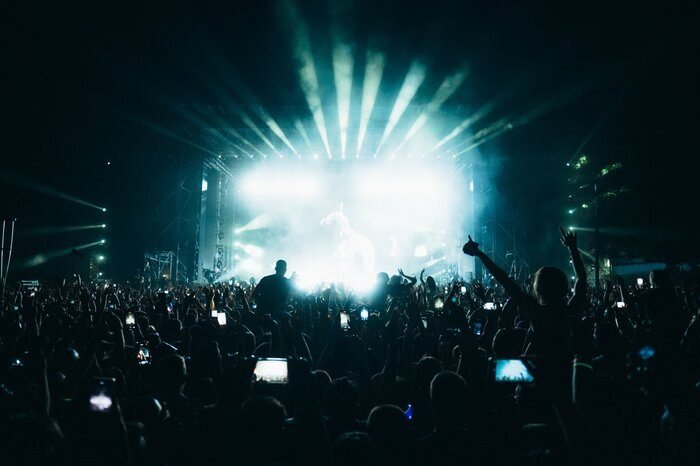
Concerts routinely hit 100 to 120 decibels — and anything over 85 decibels can damage hearing with enough exposure. A three-hour show at 110 decibels isn’t just loud, it’s a genuine hearing risk; that ringing afterward is your ears filing a damage report.
Here’s the good news: modern high-fidelity earplugs cut volume by 15 to 25 decibels while keeping music clear — no more muffled foam-plug misery. I wear mine to every show now and honestly hear the mix better, because I’m not getting blasted.
For the bigger picture, the CDC’s hearing loss prevention resources is worth a look — it backs up a lot of what I cover here.
Hearing damage is cumulative and permanent. The hair cells in your inner ear don’t regenerate, so every unprotected loud event spends down a finite account. Tinnitus — that permanent ringing some concertgoers develop — is no joke to live with.
What Actually Moves the Needle
Now for the practical side — the specific things you can do this week that will make a noticeable difference.
- Buy high-fidelity concert earplugs (about $15 to $30) and actually bring them.
- Stand away from the speakers — volume drops fast with distance.
- Give your ears quiet breaks: step out for a few minutes between sets.
- Keep foam plugs as backup in your bag, car, and jacket.
- Watch for warning signs: ringing lasting over 24 hours means see a doctor.
- Protect kids’ ears especially — their hearing is more vulnerable.
If this topic clicked for you, you’ll probably also get a lot out of our guide to What is the average cost of an eye exam without insurance, our guide to How can I lower my cholesterol through diet alone, and our guide to How can I build a consistent morning exercise routine that sticks — they cover the adjacent questions people ask next.
Small Tweaks That Add Up Fast
Put the earplugs on your keychain or in your phone case — wherever your concert tickets live. The only earplugs that work are the ones you actually have with you when the opening act starts.
If a tweak stops working, don’t abandon the goal — swap the tactic. Plateaus and friction are information, not verdicts. The people who succeed aren’t the most disciplined; they’re the most willing to adjust the plan until it fits.
One more resource I trust on this: the National Institutes of Health.
Mistakes Worth Avoiding
I’ve watched a lot of people (myself included) learn these lessons the hard way. Save yourself the trouble.
- Assuming ‘I’m used to it’ means no damage — tolerance isn’t protection.
- Wearing earplugs only at ‘really loud’ shows; damage accrues at moderate ones too.
- Ignoring persistent ringing for months instead of getting hearing checked.
Your First-Week Action Plan
Reading is nice; doing is better. Here’s a dead-simple seven-day ramp built from the tips above — no overwhelm, just one layer at a time. Each step takes minutes, not hours; the whole point is that a busy person can actually finish this.
- Day 1: Buy high-fidelity concert earplugs (about $15 to $30) and actually bring them. Get this handled first — it’s the foundation everything else builds on.
- Days 2–3: Stand away from the speakers — volume drops fast with distance. Give yourself a couple of days to make this feel normal.
- Day 4: Give your ears quiet breaks: step out for a few minutes between sets. The basics are rolling now; time to add this next layer.
- Days 5–6: Keep foam plugs as backup in your bag, car, and jacket. You’re in the groove — this is where momentum starts compounding.
- Day 7: Watch for warning signs: ringing lasting over 24 hours means see a doctor. End the week by locking in this last piece, then run the whole week back.
Finally, give yourself permission to adjust. The plan that works in theory but not in your life is the wrong plan. Tweak timing, swap tactics, lower the bar temporarily — adaptation isn’t quitting, it’s how you build something that survives real life.
Quick Questions, Honest Answers
How long before I notice a difference with protect my hearing at loud concerts and events?
Most people feel initial changes within two to four weeks of consistent effort, with meaningful results by eight to twelve weeks. The boring truth is that consistency beats intensity — small daily actions compound, while heroic one-week efforts fade.
Do I need to spend a lot of money on protect my hearing at loud concerts and events?
No — and I’d argue spending more often slows people down, because it substitutes shopping for doing. The fundamentals here are mostly free or cheap: better habits, smarter food choices, and consistency. Spend money only on the bottlenecks you can’t solve free.
When should I talk to a professional about protect my hearing at loud concerts and events?
When something persists despite four to six weeks of genuine effort, when symptoms are severe or worsening, or when you’re unsure what’s safe for your situation. A single visit can save months of guessing — professionals exist for exactly these questions.
The Bottom Line
If you take one thing from this guide, let it be this: protect my hearing at loud concerts and events is simpler than it looks once you ignore the hype. Focus on the fundamentals, avoid the common traps, and trust the process. It works — I’ve seen it work too many times to doubt it.