Here’s the thing about what are the best fabrics for hot and humid summer weather: the basics are simpler than the internet makes them look. I used to overcomplicate this too, until I stripped it down to what genuinely makes a difference. In this guide I’ll walk you through the essentials, the mistakes to skip, and the small moves that pay off — all in plain English.
Fair warning: some of what follows will sound almost too simple. That’s intentional. In my experience, the simple stuff is what survives contact with real life — the complicated systems collapse by week two. Simple, repeated, wins.
I like to start with the why, because once you get that, the how becomes obvious.
What are the best fabrics for hot and humid summer weather: What You Should Actually Know
Before we get tactical, let’s kill a myth: there’s no single ‘right’ answer to fabrics for hot and humid summer weather. Bodies differ, budgets differ, lifestyles differ. What follows is a framework, not a uniform — take what fits your life and ignore the rest without guilt.
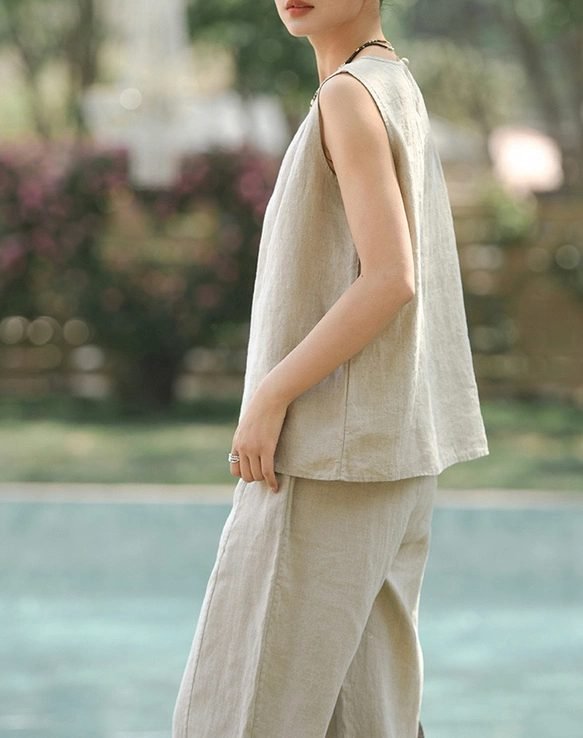
The best fabrics for hot, humid weather are linen, lightweight cotton, chambray, and moisture-wicking blends — linen is the king because its loose weave breathes and it actually looks better slightly rumpled. I switched my summer wardrobe to mostly linen and stopped dreading August.
What to avoid matters equally: polyester and other synthetics trap heat and hold odor, which is a miserable combo in humidity. That cute poly blouse might look breezy, but you’ll feel like you’re wearing a plastic bag by noon.
For the bigger picture, the Federal Trade Commission’s textile guidance is worth a look — it backs up a lot of what I cover here.
Weave and fit matter as much as fiber. Loose weaves and relaxed fits let air circulate — a fitted linen shirt still beats a loose polyester one, but relaxed linen is the gold standard.
What Actually Moves the Needle
Theory is nice, but here’s what I’d actually do if I were starting from scratch today.
- Choose linen, lightweight cotton, chambray, and seersucker for peak heat.
- Avoid polyester and nylon against skin in humidity.
- Wear looser fits — airflow is a cooling system.
- Light colors reflect heat; save the black for evening.
- Look for moisture-wicking underwear and undershirts as a base layer.
- Embrace the linen wrinkle — it’s part of the look, not a flaw.
If this topic clicked for you, you’ll probably also get a lot out of our guide to What should I wear to a casual wedding as a guest, our guide to What does a smart casual dress code for women really mean, and our guide to How do I know if a handbag is worth the investment — they cover the adjacent questions people ask next.
Small Tweaks That Add Up Fast
Do the breath test in the store: hold the fabric to your mouth and breathe through it. If air passes easily, it’ll breathe on your body. If you can’t breathe through it, imagine wearing it at 95 degrees — then put it back.
Photograph the result. A quick mirror selfie after applying a styling tweak gives you objective feedback the mirror alone doesn’t. Keep the winners in an album and you’ve built a personal lookbook that makes future mornings effortless.
One more resource I trust on this: Good On You’s brand ratings.
Mistakes Worth Avoiding
Honest mistakes, all of them — but each one costs you time, money, or results. Here’s what to watch for.
- Wearing ‘breathable-looking’ synthetics that trap sweat and smell.
- Choosing dark, tight outfits for midday summer events.
- Skipping the undershirt, which actually helps manage sweat.
Your First-Week Action Plan
Reading is nice; doing is better. Here’s a dead-simple seven-day ramp built from the tips above — no overwhelm, just one layer at a time. Each step takes minutes, not hours; the whole point is that a busy person can actually finish this.
- Day 1: Choose linen, lightweight cotton, chambray, and seersucker for peak heat. Get this handled first — it’s the foundation everything else builds on.
- Days 2–3: Avoid polyester and nylon against skin in humidity. Give yourself a couple of days to make this feel normal.
- Day 4: Wear looser fits — airflow is a cooling system. The basics are rolling now; time to add this next layer.
- Days 5–6: Light colors reflect heat; save the black for evening. You’re in the groove — this is where momentum starts compounding.
- Day 7: Look for moisture-wicking underwear and undershirts as a base layer. End the week by locking in this last piece, then run the whole week back.
Expect some trial and error. Not every experiment will work, and that’s the point — style is discovered, not purchased. Keep receipts, use return windows, and treat misses as data. The people with great style just iterated more than everyone else.
Quick Questions, Honest Answers
How much should I budget for fabrics for hot and humid summer weather?
Less than you think, if you shop strategically. Start with what you own, fill gaps secondhand, and spend real money only on high cost-per-wear pieces. Most people overspend on trends and underspend on the basics they’ll wear daily.
How do I know if something actually suits me with fabrics for hot and humid summer weather?
Fit and comfort are the tell — if you’re tugging, adjusting, or can’t wait to take it off, it’s wrong regardless of how it looked on the hanger. Photograph yourself in it; the camera is more honest than the mirror.
Can I pull this off on a tight budget with fabrics for hot and humid summer weather?
Absolutely — budget constraints often produce better style, because they force intention. Thrift stores, clothing swaps, and restyling what you own cover most needs. The expensive-looking part is fit and grooming, and both are cheap.
The Bottom Line
At the end of the day, fabrics for hot and humid summer weather comes down to consistency, not perfection. Pick one or two changes from this guide, stick with them for a few weeks, and adjust from there. You’ve got this — and now you’ve got a roadmap too.