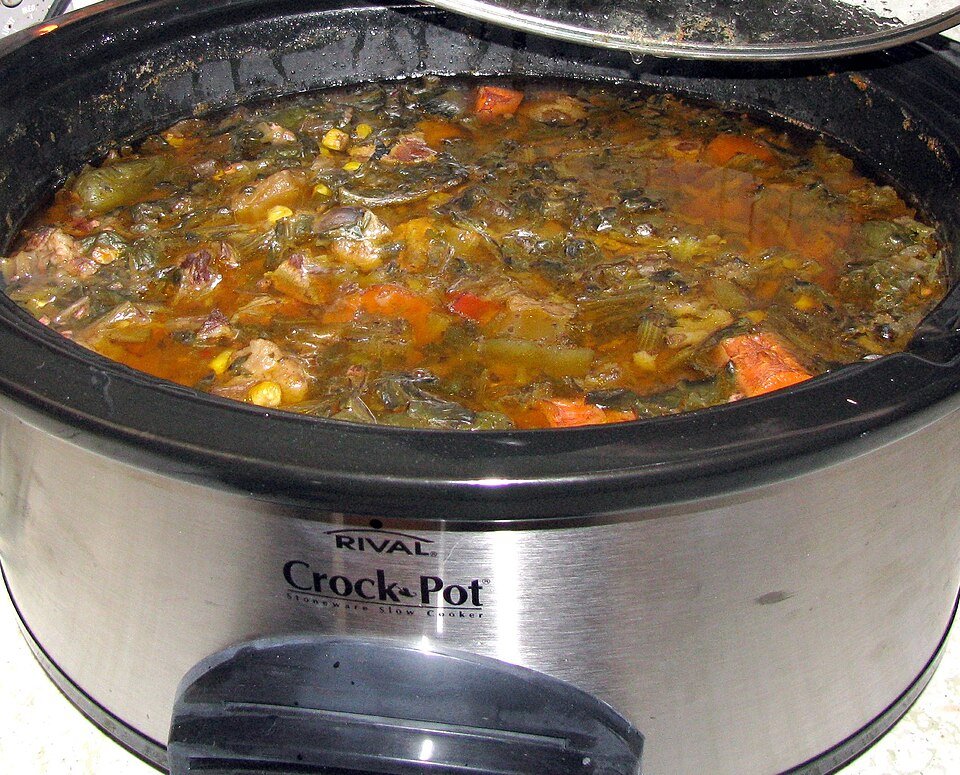
The cruel irony of beef: the expensive steaks need the least cooking, and the cheap cuts become the most delicious with time. Understanding what are the best cheap cuts of beef for slow cooking is the key to the best beef meals of your life at the lowest prices. Tough, collagen-rich cuts transform into spoon-tender luxury with low, slow heat.
I’ve slow-cooked my way through the budget case. Here are the cuts worth buying and why they work.
Chuck: the undisputed king
Chuck roast (shoulder) is the best all-around slow-cooking cut: rich in collagen and fat, deeply beefy, and usually $5-$8 per pound. Pot roast, beef stew, barbacoa, shredded beef, chuck does it all. Look for good marbling; the fat renders into flavor and moisture over hours.
Cut chuck into large chunks for stew (bigger pieces stay juicier) or cook whole for pot roast. Sear first for Maillard depth, then braise low and slow until it surrenders, typically 3-4 hours in the oven or 8 on low in a slow cooker. Chuck is forgiving; it’s hard to overcook and easy to love.
What are the best cheap cuts of beef for slow cooking beyond chuck
Brisket: the barbecue legend, also magnificent braised. The flat is leaner, the point fattier and more forgiving; whole packer briskets are often cheapest per pound. Low and slow to 200degF+ internal breaks down the formidable collagen into gelatinous richness.
Short ribs: the luxury cheap cut, meaty and marbled, producing the richest braises known to humanity. Beef shanks (osso buco cut): collagen-heavy with marrow bones that enrich the sauce incredibly. Oxtail: the connoisseur’s choice, gelatinous and deeply flavored, increasingly less cheap as word spreads. Cheeks: if you find them, buy them; they’re the most tender braised beef imaginable.
Why tough cuts win at slow cooking
The science: tough cuts are rich in collagen (connective tissue) that dissolves into gelatin with prolonged moist heat, creating the silky, rich texture lean cuts can’t achieve. Lean expensive cuts (tenderloin, sirloin) dry out with long cooking; they lack the collagen that makes slow cooking magical.
This is why the cheap cuts genuinely taste better braised than expensive ones would. You’re not settling; you’re exploiting food science. The Beef Checkoff’s cooking guides have excellent cut-by-cut method recommendations for the curious.
Buying and cooking tips
Buy bone-in when possible; bones add flavor and gelatin to braises. Don’t trim all the fat; it renders and bastes the meat. Sear in batches without crowding (crowding steams instead of browning), deglaze the fond with wine or stock, and cook low: 275-325degF oven or low slow-cooker setting.
The meat is done when it yields to a fork with no resistance, not at a specific time; start checking at the low end of time ranges. Rest braised meats in their liquid, and skim fat the next day for cleaner sauces (braises are even better reheated). Salt adequately; large cuts need assertive seasoning.
Cheap cut champions
- Chuck roast: The all-rounder. $5-$8/lb, does pot roast, stew, and shredded beef perfectly.
- Short ribs: The luxury cheap cut. Richest braises imaginable from a humble cut.
- Brisket: BBQ legend, brilliant braised. Cook to 200degF+ for collagen breakdown.
- Beef shanks: Marrow bones enrich sauces incredibly. Osso buco on a budget.
- Oxtail: Gelatinous, deeply flavored. Buy before the secret fully gets out.
- Buy bone-in: Bones add flavor and gelatin. Don’t over-trim fat before braising.
Slow-cooking mistakes
- Using lean expensive cuts: Tenderloin in a slow cooker is tragedy. Collagen-rich cheap cuts are the correct choice.
- Skipping the sear: Browning builds deep flavor. Sear in uncrowded batches before braising.
- Too much liquid: Meat should be partially submerged, not drowned. Vegetables release water too.
- Peeking constantly: Every lid lift adds 15-20 minutes. Trust the process.
- Undercooking: Tough means undercooked in braising. Cook until fork-tender, however long it takes.
The stall: understanding brisket patience
Brisket famously ‘stalls’ around 150-165degF internal, where temperature plateaus for hours as moisture evaporates and cools the meat. Beginners panic; veterans know it’s collagen breaking down, the exact transformation you want. Push through (or wrap in butcher paper to speed it) and the reward is tenderness.
This applies to all slow-cooked tough cuts: the plateau is the magic happening. Rushing with higher heat powers through the stall but sacrifices texture. Low and slow isn’t just tradition; it’s the physics of collagen conversion. Trust the process.
Cheap beef cuts for slow cooking: your questions answered
What’s the cheapest cut of beef for stew?
Chuck roast, usually $5-$8 per pound, rich in collagen and deeply beefy. Cut into large chunks for stew. It’s forgiving, flavorful, and the standard for good reason. Nothing beats chuck for all-around slow-cooking value.
Can I slow cook an expensive steak?
You can, but shouldn’t. Lean expensive cuts lack the collagen that makes slow cooking magical; they dry out and toughen with long cooking. Save steaks for fast high-heat methods. Slow cooking is where cheap cuts outperform expensive ones.
How long should I slow cook beef?
Until fork-tender, not by the clock: typically 3-4 hours braised at 300degF or 8 hours on low in a slow cooker for chuck. Start checking at the low end. Tough means undercooked in braising; keep going until it surrenders.
Should I sear meat before slow cooking?
Yes. Searing builds Maillard-reaction flavors that braising alone can’t create. Sear in uncrowded batches (crowding steams instead of browning), then deglaze the pan for the braising liquid. It’s the difference between good and great.
The bottom line
Chuck for everything, short ribs for luxury, brisket for crowds, shanks and oxtail for depth. Tough collagen-rich cuts are scientifically superior for slow cooking, not just cheaper. Sear well, cook low until fork-tender, and enjoy beef that outshines steaks at a third of the price. For more on this, see best one-pot meals for large families and best way to cook chicken breast so it stays juicy.