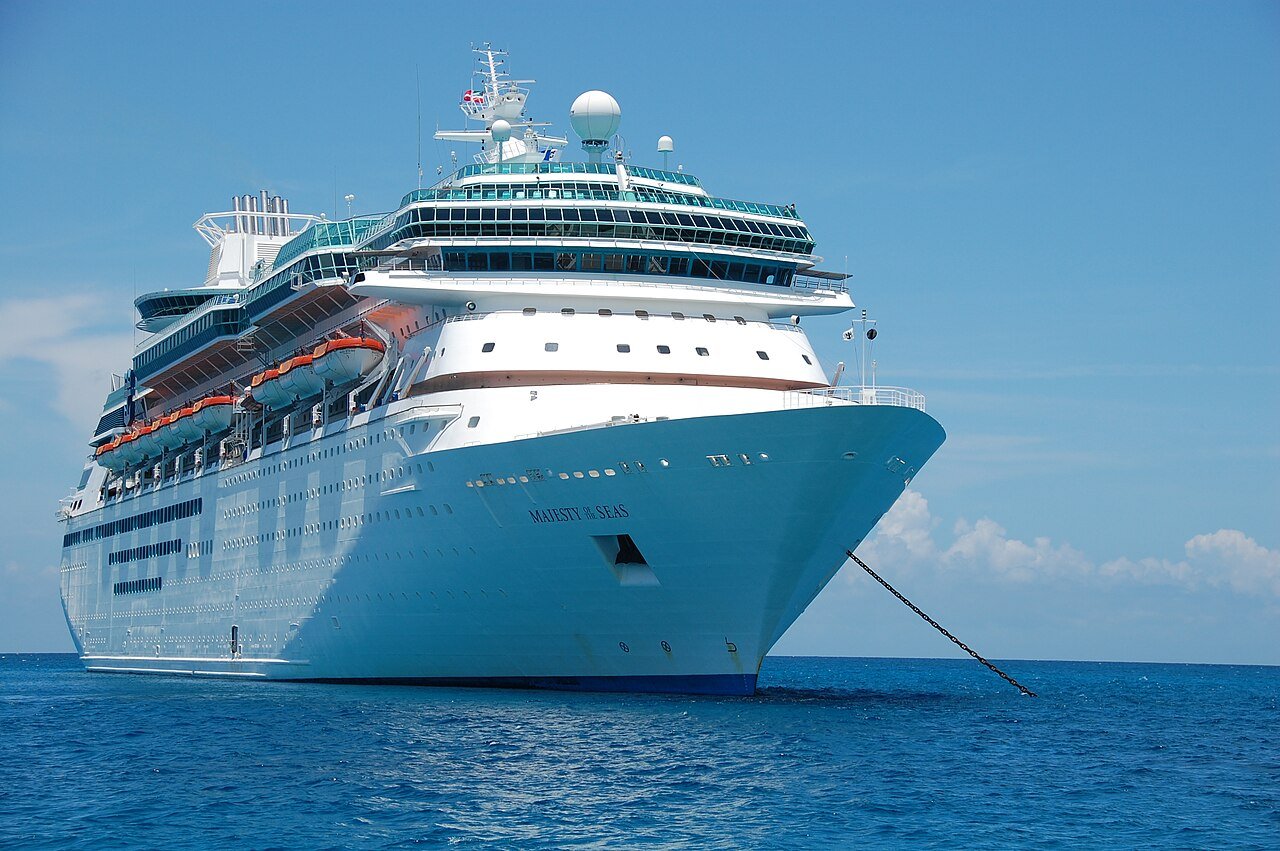
What is the best way to book a cruise for first-time cruisers? Start with this reframe: you’re not booking a trip, you’re choosing a floating resort — the ship matters more than the itinerary for first-timers. A great ship with an okay itinerary beats an okay ship with a great itinerary, because you spend most of your time on the ship. Here’s the beginner’s guide to getting it right the first time.
Step 1: Choose the right cruise line (this is the big decision)
Cruise lines have distinct personalities. Match yours:
- Royal Caribbean / Norwegian / Carnival. Big ships, tons of activities (water slides, zip lines, Broadway-style shows), lively atmosphere, families. Best for: first-timers who want the classic “wow” cruise, families, groups. Budget-friendly.
- Princess / Holland America / Celebrity. More refined, less frantic — better food, enrichment programs, older demographic. Best for: couples, food-focused travelers, people who find mega-ships overwhelming.
- Disney Cruise Line. The family gold standard — impeccable service, incredible kids’ programs, adult-only areas that are genuinely good. Best for: families with kids 4–12. Priciest of the mainstream lines, worth it for the right family.
- Virgin Voyages. Adults-only, modern, no buffets (real restaurants included), no dress codes. Best for: younger couples, people who think they hate cruising.
First-timer advice: go mainstream and big for cruise #1. The mega-ships are popular because they deliver — more dining options, more activities, more fellow first-timers. Save the small luxury lines for when you know you love cruising.
Step 2: Pick the itinerary (shorter is smarter for #1)
- 4–5 nights for your first cruise. Long enough to experience it, short enough that if cruising isn’t your thing, you’re home soon. The classic first cruise: Bahamas/Caribbean from Florida, or Mexican Riviera from LA.
- Depart from a drivable port if possible. Flying to the port adds cost and stress (fly in the day before — never the same day; a delayed flight = a missed ship = a very expensive lesson).
- More port days vs. sea days. First-timers often prefer port-heavy itineraries (something new daily); sea-day lovers emerge on cruise #2. Know that sea days are when the ship’s amenities shine.
- Timing: Caribbean is best Dec–April (hurricane season is June–November — cheaper but riskier); Alaska is June–September only; Mediterranean is May–October.
Step 3: Choose the cabin (where beginners overspend or under-spend)
- Interior (cheapest). No window, but you’re rarely in the cabin — and they’re dark and quiet for sleeping. The budget-savvy choice; many experienced cruisers book interior and spend the savings on excursions.
- Oceanview. A window/porthole. Nice, modest upgrade. Good middle ground if interior feels claustrophobic.
- Balcony. The splurge most first-timers love — private outdoor space, breakfast on the balcony, sail-away views. Worth it for scenic itineraries (Alaska!) or if you’ll use it. For Caribbean, you’ll be by the pool anyway — save the money.
- Suite. Overkill for cruise #1. Save it for the anniversary trip.
- Location matters: mid-ship, lower decks = least motion (seasickness-prone? this is your spot). Avoid cabins under the pool deck (chair-scraping at 6 a.m.) or near elevators/stairwells (foot traffic noise).
- Guarantee cabins. Book a category (“guarantee”) rather than a specific cabin for a discount — the line assigns your cabin later, often with a free upgrade. The gamble: you could get a noisy spot. Worth it for the savings on a budget.
Step 4: How to book (agent vs. direct)
- Use a cruise-specialist travel agent. This is the rare case where an agent beats DIY — they often have group rates below published prices, plus onboard credit ($50–200 free spending money). Costs you nothing (they’re paid by the line). Find one specializing in cruises, not a generalist.
- Or book direct during a promotion. Cruise lines run constant promos — kids sail free, reduced deposits, drink packages included, onboard credit. Never pay full brochure price; there’s always a deal.
- Book early for choice, late for price. 6–12 months out: best cabin selection. 60–90 days out: unsold cabins get discounted (but choice is limited, and popular sailings sell out).
- Understand what’s included. Main dining, buffet, most entertainment, pools — included. Specialty restaurants, alcohol, spa, casino, shore excursions, Wi-Fi, photos — extra. Budget $50–100/day/person for onboard extras, or buy drink packages if the math works (it does if you drink 5+ drinks/day).
First-timer tips that matter
- Motion sickness: mid-ship low cabin, look at the horizon, ginger/bonine, acupressure bands. Most people adjust in a day. Modern big ships are remarkably stable.
- Embarkation day: arrive at your assigned time (not early — you’ll wait), lunch is served on board, explore the ship before the crowds.
- Shore excursions: book independently for 30–50% savings (Viator, local operators) — but leave huge buffer time; the ship waits for its own excursions, not for yours.
- Gratuities: $14–20/person/day auto-charged. Budget for it — it’s not optional in practice.
- Formal nights: mostly gone on mainstream lines — “smart casual” is the max now. Don’t overpack dress clothes (How can I travel with just a carry-on for two weeks).
- Travel insurance: yes for cruises — missed ports, medical evacuation at sea, the works. What is the best travel insurance for a family vacation abroad for the full guide.
Cruise Critic’s reviews and forums are the essential research tool — real passenger reviews by ship and sailing date, plus forums where veterans answer beginner questions generously.
Seasickness, introverts, and other first-timer anxieties
A few honest answers to the questions first-timers are embarrassed to ask. Will I get seasick? Probably not — modern mega-ships are remarkably stable (you often cannot tell you are moving), and mid-ship lower cabins minimize motion further. If you are prone to motion sickness, bring Bonine just in case; most people never open it. Is it awkward going alone or as a couple among families? Not at all — ships are big enough that every demographic finds its spaces, and the adult-only areas are genuinely adult. Will I be bored? Only if you try — the daily program has dozens of activities, and sea days are for doing nothing beautifully.
Is the food actually good? The main dining room is solidly good (think decent restaurant), the buffet is fine, and the specialty restaurants (extra charge, $30–60/person) are genuinely excellent — worth it for one celebratory night. And do I need to dress up? No — “smart casual” is the ceiling on mainstream lines now; leave the gown at home. The cruise industry spent decades intimidating first-timers with formality; the modern reality is relaxed, and that is exactly why first-timers keep becoming second-timers.
Further reading: cruise reviews and advice from Cruise Critic.
Takeaway: First-time cruisers should pick a mainstream line matching their style (Royal Caribbean/Norwegian for the classic experience), book a 4–5 night itinerary from a drivable port, choose interior or balcony based on budget (mid-ship low for motion sensitivity), and book through a cruise-specialist agent or during promotions. Arrive the day before, budget for onboard extras and gratuities, and get travel insurance. The ship matters more than the itinerary — choose the floating resort first.