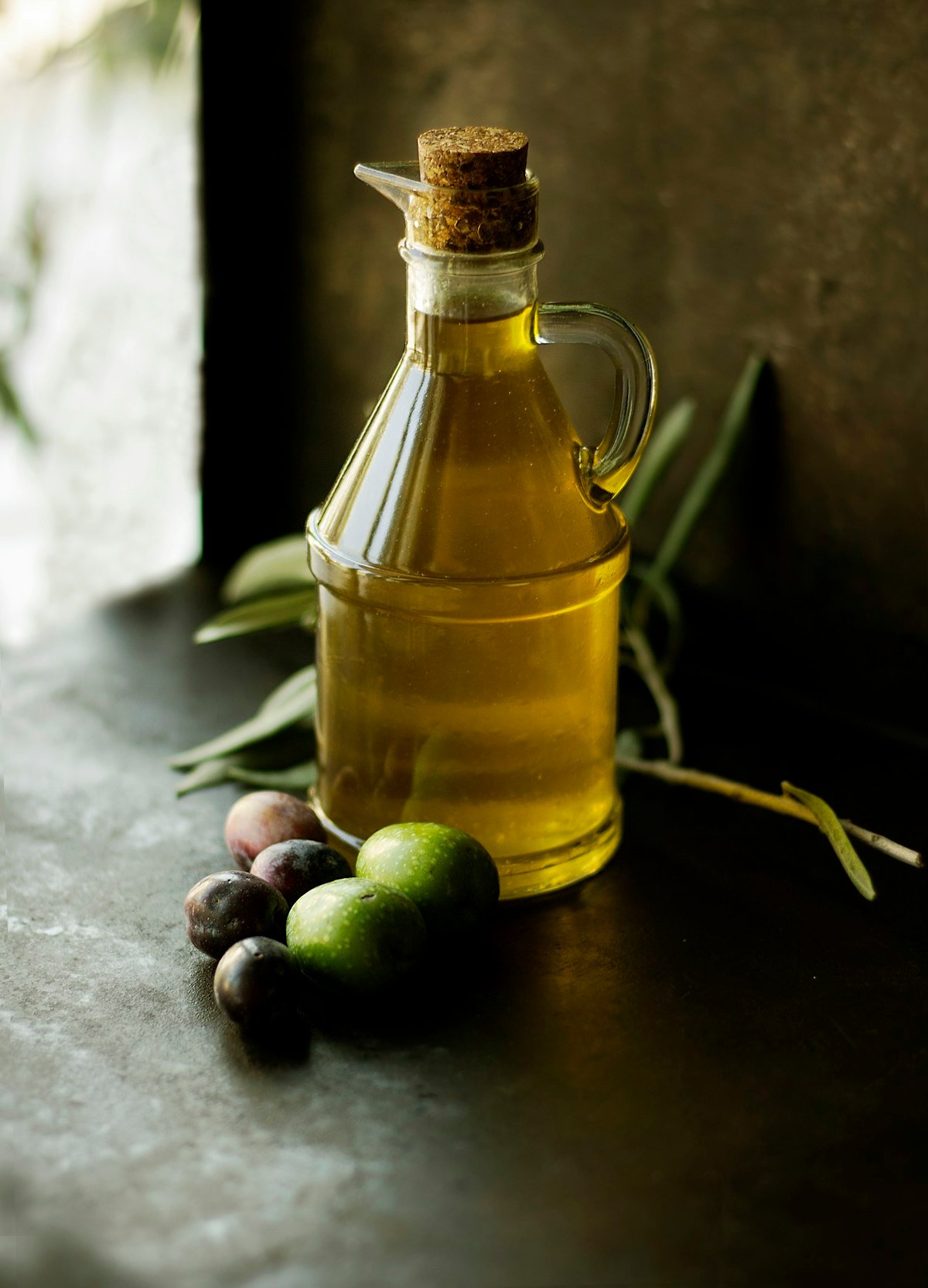
Coconut oil was a superfood, then it wasn’t. Seed oils are either poison or perfectly fine depending on which corner of the internet you ask. It’s exhausting. So what is the healthiest cooking oil to use every day? For most everyday cooking, extra virgin olive oil wins — backed by the strongest evidence, versatile enough for most heat levels, and the cornerstone of the world’s most-studied healthy diet. But the full answer depends on what you’re cooking.
Why Extra Virgin Olive Oil Wins Overall
Olive oil isn’t just marketing — it’s the most researched cooking fat in existence, central to the Mediterranean diet pattern associated with better heart health, lower inflammation, and longevity in study after study. What makes it special:
- Monounsaturated fats: ~73% oleic acid, linked to improved cholesterol profiles and reduced inflammation.
- Polyphenols: extra virgin (not “light” or refined) contains antioxidants that refined oils lack — this is why “extra virgin” specifically matters.
- Heat stability: despite the myth, EVOO’s smoke point (~375–405°F) handles everyday sautéing and roasting fine, and its antioxidants actually protect it from oxidation during cooking.
For daily cooking — sautéing vegetables, roasting, salad dressings, drizzling — EVOO is the default right answer.
The Honest Guide to Other Oils
- Avocado oil: high smoke point (~520°F), neutral flavor, good monounsaturated profile. Excellent for high-heat searing and stir-frying. More expensive — worth it if you do a lot of high-heat cooking.
- Canola/rapeseed oil: the boring workhorse. Neutral, affordable, decent fat profile, fine for baking and general cooking. The “toxic seed oil” claims are not supported by credible evidence — but it lacks olive oil’s polyphenols.
- Coconut oil: ~90% saturated fat. Fine occasionally for flavor (curries, baking), but the evidence doesn’t support it as a daily driver despite the hype cycle.
- Butter/ghee: delicious, and fine in moderation within an overall healthy diet. Not the everyday cooking fat for heart health, though ghee’s high smoke point makes it useful for high-heat Indian cooking.
- Peanut oil: great for deep frying (high smoke point, neutral). Not an everyday oil for most people.
- Flaxseed/walnut oil: excellent omega-3s, but strictly for cold use (dressings) — heat destroys them.
Matching Oil to the Job
- Salads, drizzling, finishing: extra virgin olive oil. Always.
- Everyday sautéing and roasting: extra virgin olive oil (yes, really — the smoke point fear is overblown).
- High-heat searing, stir-fry, grilling: avocado oil or refined olive oil.
- Baking: neutral oils (canola) or butter, depending on the recipe.
- Deep frying: peanut or refined high-smoke-point oils.
Two oils cover 95% of home cooking: a good extra virgin olive oil and a neutral high-heat oil (avocado or canola). That’s the whole system.
What to Ignore
The seed-oil panic is the current nutrition moral panic — dramatic claims, weak evidence. Reputable nutrition science doesn’t support fearing canola or soybean oil; it supports preferring olive oil. Similarly, “cold-pressed” and “unrefined” matter for olive oil (that’s where the polyphenols are) but are marketing terms on most other oils. Buy EVOO in dark bottles, store away from heat and light, and don’t pay extra for health claims on the label — the research is about the oil, not the branding. For the broader healthy-eating picture, see gut-healthy foods and meal planning on a budget.
Buying and Storing Oil Right
Good oil handled badly becomes bad oil. Buy extra virgin olive oil in dark glass or tins — light degrades polyphenols fast. Check for a harvest date (not just “best by”); fresher is better, ideally within 12–18 months of harvest. Price correlates with quality up to a point: suspiciously cheap “extra virgin” is often adulterated or old. You don’t need the $40 bottle, but the $6 gallon jug probably isn’t what it claims.
Store all oils away from heat and light — not next to the stove, despite tradition. A cool, dark cabinet is ideal. Don’t buy giant containers unless you cook constantly; oil oxidizes once opened, and that “economy” gallon goes rancid before you finish it. Taste your oil: good EVOO should taste fruity with a peppery bite at the back of your throat (that’s the polyphenols). Flat, greasy, or musty flavors mean it’s past prime. Refrigeration isn’t necessary for most oils but extends life; olive oil may cloud in the fridge (harmless, clears at room temp).
The bigger fat picture
Cooking oil is one piece of your overall fat intake — and the pattern matters more than any single choice. What to emphasize: unsaturated fats from olive oil, nuts, avocados, and fatty fish. What to limit: saturated fats from processed meats, pastries, and fried fast food (not the occasional butter in home cooking — the dose makes the poison). What to minimize: trans fats (largely regulated out, but check labels on some baked goods and margarines) and the overall quantity of added fats — even healthy oils are calorie-dense at ~120 calories per tablespoon.
The Mediterranean pattern — olive oil as the primary added fat, plenty of plants, fish over red meat — remains the most evidence-backed eating pattern for heart health and longevity. You don’t need to move to Greece; you need to make olive oil your default, eat more vegetables (see gut-healthy foods), and treat the rest as details. Nutrition science argues endlessly about minutiae, but on this big picture, the consensus is remarkably stable — and it’s delicious.
Smoke Points Explained Simply
Smoke point — the temperature where oil starts smoking and breaking down — is the most misunderstood oil concept. The common advice (“never heat olive oil!”) is wrong: extra virgin olive oil’s smoke point (~375–410°F) handles most home cooking including sautéing and roasting. The studies showing harmful compounds form only apply to extreme, prolonged heating far beyond normal cooking. For everyday stovetop work, your EVOO is fine.
When smoke point actually matters: high-heat searing, stir-frying, and deep frying (450°F+). Here, reach for avocado oil (refined: ~520°F — the highest of common cooking oils), refined peanut oil (~450°F, the restaurant fryer standard), or ghee (~485°F, plus great flavor). What to never heat hard: flaxseed oil and unrefined walnut oil — their delicate omega-3s oxidize easily. Use them as finishing oils, drizzled on after cooking.
The practical two-oil kitchen: extra virgin olive oil for everything up to medium-high heat (which is 90% of home cooking), plus one high-heat oil (avocado or peanut) for searing and frying. That’s it — you don’t need six bottles. And don’t reuse frying oil indefinitely: strain it, store it cool and dark, and discard when it darkens, smells off, or smokes at lower temperatures than it used to. Rancid oil isn’t just unpleasant — oxidized fats are genuinely unhealthy. Fresh oil is a cheap health investment.
The Takeaway
The healthiest everyday cooking oil is extra virgin olive oil — strongest evidence base, good for most cooking temperatures, central to the Mediterranean diet. Add avocado oil (or another neutral oil) for high-heat cooking, and you’re set. Ignore the seed-oil panic and the coconut-oil hype; the boring, well-studied answer wins again. The American Heart Association’s guidance on dietary fats aligns with exactly this approach.